18 Modern Bathroom Interior Design Ideas That Inspire

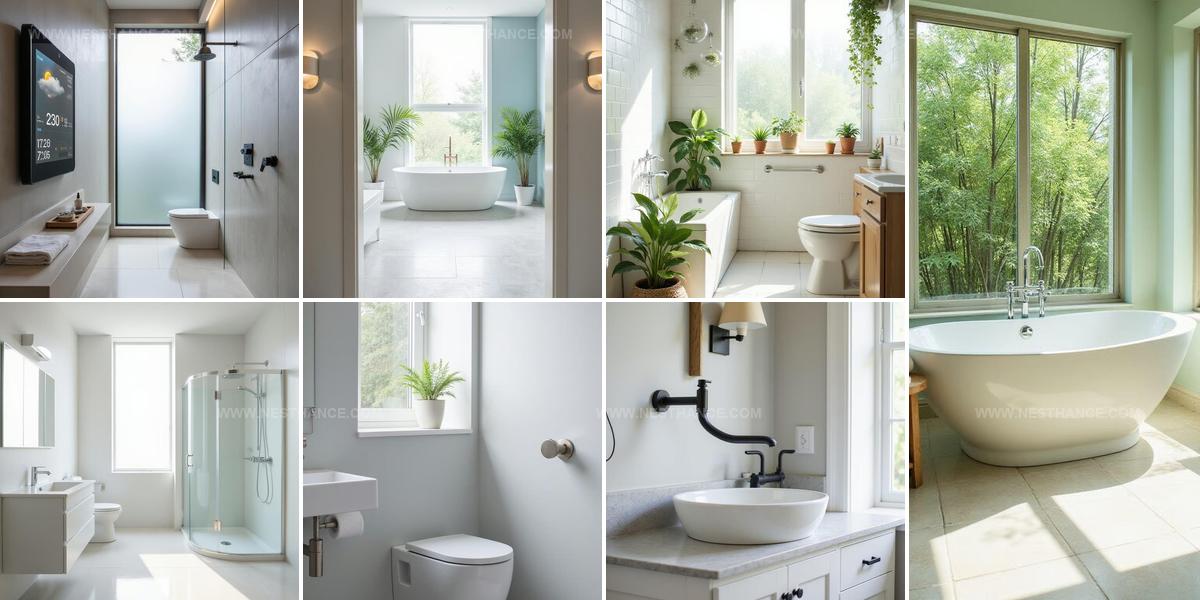
Bathroom interior design has become one of the most rewarding spaces to reimagine in any home, offering a perfect blend of function and personal style.
What once served as purely practical rooms now hold incredible potential for beauty and comfort, and the shift in how we approach these intimate spaces reflects changing priorities about wellness and self-care.
You deserve a space that feels calming after long days, yet energizing when mornings demand focus and clarity.
The choices available today range from minimalist aesthetics to bold statement walls, from natural materials that evoke spa-like serenity to sleek modern fixtures that showcase contemporary elegance.
Smart layouts maximize even compact square footage, while thoughtful lighting and color selections can completely alter the mood and perceived size of the room.
Every element, from tiles to hardware, contributes to an atmosphere that either supports or detracts from daily rituals.
Understanding how different components work together helps anyone craft a space that truly feels like a personal retreat.
Organized Trends Clears Bathroom Clutter
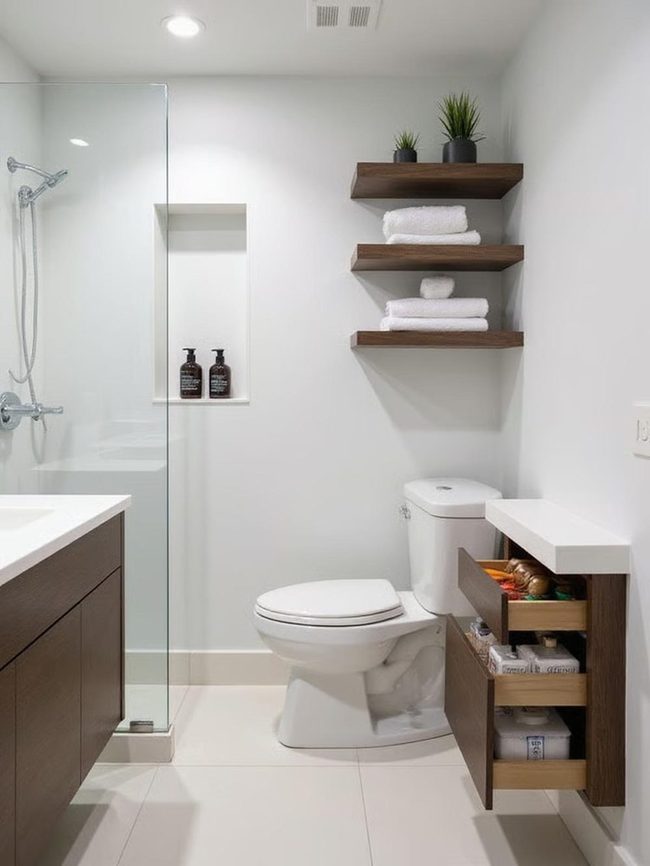
Bathrooms with clutter piled on countertops lose their appeal fast, so smart storage solutions become essential for keeping things organized and calm.
Built-in shower niches, floating shelves, vanity organizers, and mirrored medicine cabinets all work to clear surfaces and make your space feel larger and cleaner.
Rolling carts and tall narrow cabinets let you use vertical space efficiently, and over-toilet storage units grab every bit of usable room without taking up floor space.
Before you pick any storage option, take time to count up your toiletries, cleaning supplies, and essentials so you know exactly what you need to store.
Research shows that decluttered bathrooms actually lower stress levels, which means organized storage benefits both how your bathroom looks and how you feel using it.
We see storage conversations come up constantly when people balance style with comfort in their designs.
Good storage keeps everything accessible and easy to grab when you need it, and it makes cleaning routines faster and simpler.
This investment pays off because your space stays hygienic, functional, and peaceful every single day.
High-Tech Bathroom Convenience Systems
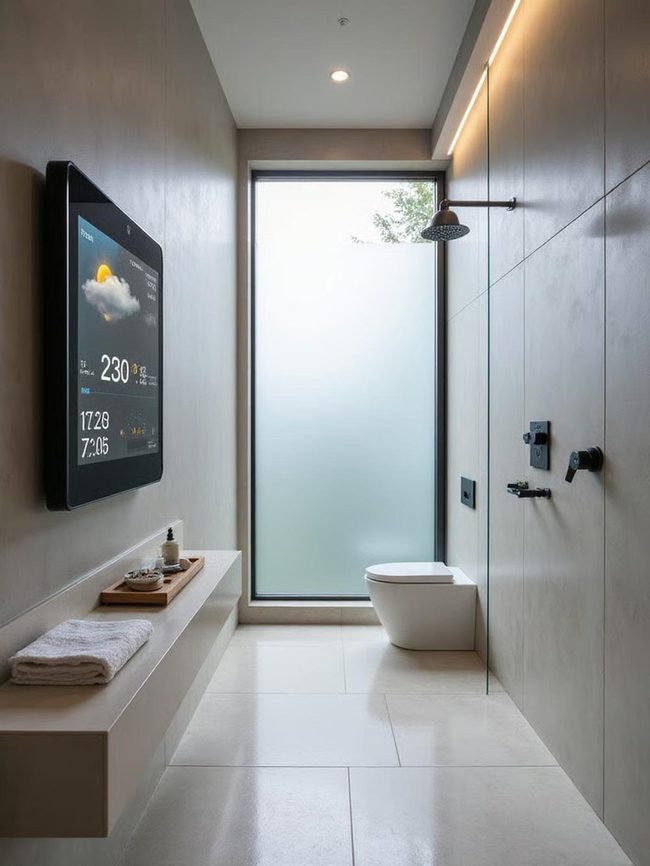
Smart bathroom technology brings real luxury and convenience right into your space with features like heated toilet seats, bidets, and showers that adjust temperature and pressure to your preference.
Mirrors with built-in lighting and displays let you check the weather or news while getting ready, and voice-controlled lighting systems shift the mood for different times of day.
Touchless faucets and leak detection systems add both ease and protection to your bathroom, preventing water damage while you enjoy hands-free operation.
You don't have to go all-in at once, start by swapping out standard light switches for smart dimmers that let you control brightness and save energy.
If you want to go further, smart mirrors with speakers and display screens bring news, weather, and music into your morning routine and make the bathroom feel more like a personal retreat.
These upgrades work well because they actually improve how you use the space every day, not just for show.
Technology integration balances modern convenience with real functionality, and you could recognize how much smoother your daily routine becomes.
Small changes like dimmer switches are easy entry points, while bigger upgrades like smart mirrors genuinely transform how you experience your bathroom.
White Ceramic Vanity Setups Solution
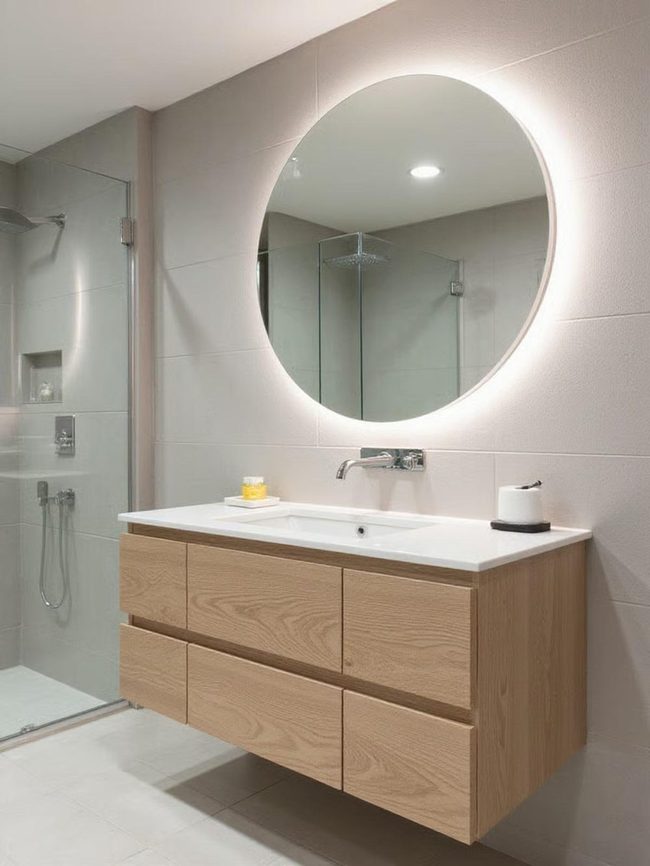
Picking out a bathroom vanity means finding something that looks good and works hard for you, since it sits front and center while holding everything you need.
Size matters when you're shopping, so think about how much storage space your bathroom actually requires, what style suits your home, how much you want to spend, and whether materials will hold up over time.
Countertops, sink shapes like undermount or vessel styles, and hardware finishes should all match what you already have in the room.
Freestanding vanities give you flexibility when installing but won't store as much, while wall-mounted options make bathrooms feel more open and need sturdy wall support behind them.
Corner units pack more into tight spaces but sacrifice storage room, and double vanities work well for two people if you have the square footage.
Before buying anything, measure where your pipes are so the drain and water lines line up properly with the vanity opening.
Drawers under the vanity, like toe-kick storage, hold extra towels and cleaning stuff in spots most people forget about, and adding organizers and dividers inside keeps daily items easy to grab and put away.
Herringbone Wood-Look Tile Floors
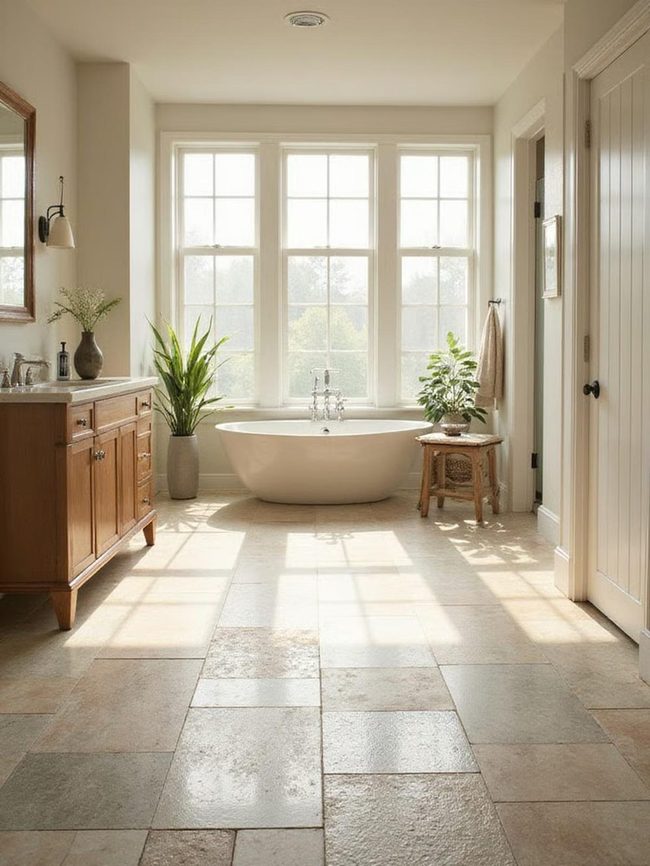
Herringbone patterns made from wood-look tile bring warmth and visual interest to bathroom floors while maintaining durability in wet conditions.
Porcelain and ceramic tiles stand up well against water damage, scratches, and stains, and larger format tiles reduce grout lines so you spend less time cleaning.
Luxury vinyl plank gives you waterproof protection with a comfortable feel underfoot, while natural stone like granite delivers incredible strength but needs periodic sealing to stay in top shape.
Concrete, cork, and epoxy flooring can give your space a unique look when sealed properly and maintained regularly.
Textured tiles keep your feet from slipping, which matters in bathrooms where moisture is always present.
When you're selecting flooring, balance how it looks with how it performs by considering water resistance, slip resistance, and what cleaning demands it will set up.
Grout is more porous than tile itself, so it soaks up stains and mildew more easily and requires regular sealing, especially in high-moisture rooms where your bathroom gets heavy use.
Accessible Bathroom Design For Everyone
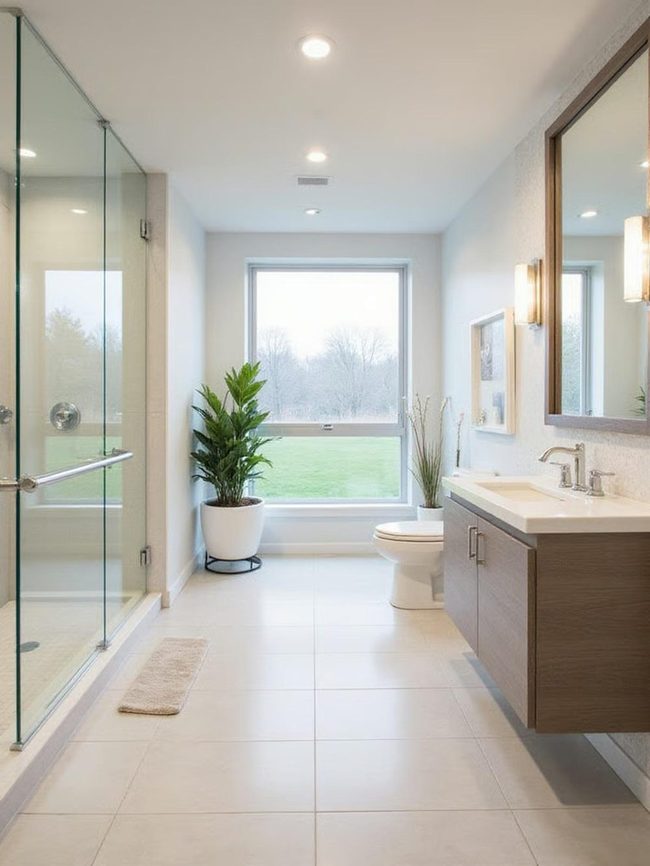
When you're designing a bathroom that works for everyone, think about how the space will serve you and your family as life changes over the years.
Grab bars don't have to look utilitarian, finding them in finishes that match your décor means they become part of your overall design rather than an afterthought.
Wide open floor space with at least a five-foot turning radius keeps the room functional for wheelchairs and walkers, and curbless showers with low thresholds make getting in and out easier for anyone with mobility concerns.
Installing lever-handled faucets and door hardware makes daily tasks simpler for people with limited hand strength, and slip-resistant flooring protects everyone from falls while still looking good.
Comfort-height toilets sit a bit higher than standard models and feel more natural when sitting down and standing up.
Good lighting spread throughout the bathroom helps people see clearly, and features like floating vanities add a modern look while creating the legroom needed for various users.
Planning for these needs now saves you from expensive remodels down the road and keeps your space both beautiful and built for regular use.
Blue Walls Create Instant Freshness
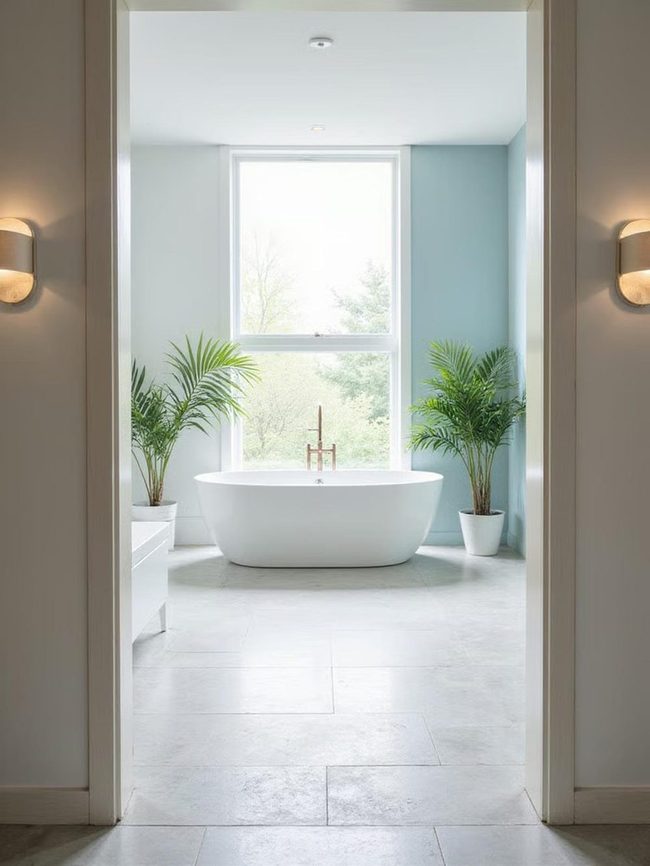
Color plays a massive role in how your bathroom feels, and it shapes everything from your mood to how relaxed you get in the space.
Blues and greens work wonderfully if you want that spa-like calm, while warmer shades like yellow and orange bring in fun energy and brightness.
Neutrals are great too because they let your accessories stand out without competing for attention.
When you're working with a small bathroom, lighter colors like white, cream, or soft gray help the room feel bigger by bouncing light around, and you can still add personality through towels and decor without making things look bare.
Larger bathrooms give you more freedom to go bold with deep blues, forest greens, or even black for that sophisticated vibe, as long as you balance them with lighter tones so the room doesn't feel too heavy.
Right now, earthy tones mixed with quiet pastels are having a real moment and worth exploring.
Before you paint, test your color choices in different times of day because lighting completely changes how a color actually looks on your walls.
Layered Textures Transform Bathroom Surfaces
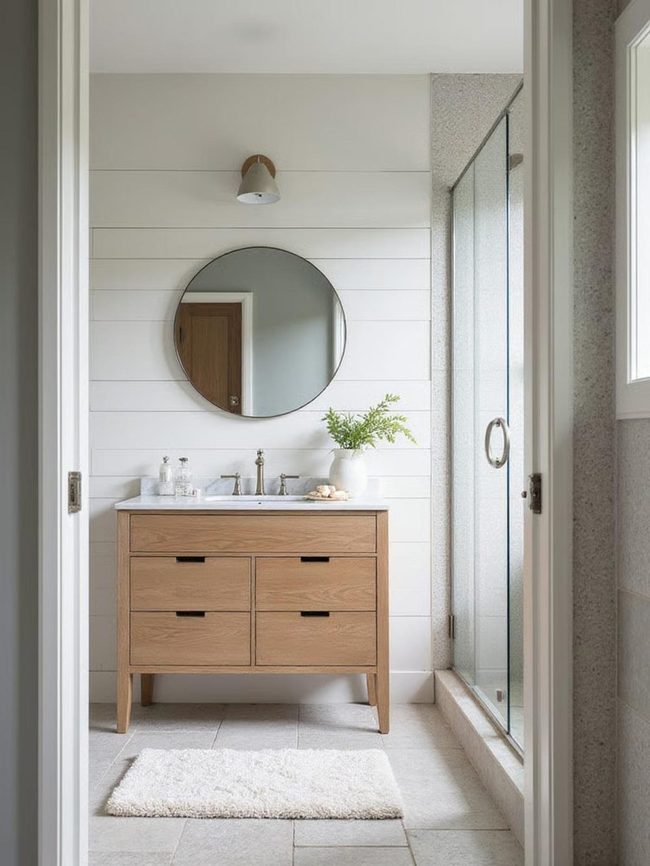
Bathrooms filled with hard, smooth surfaces need texture to avoid feeling cold and flat, so layering in varied textures through natural materials like treated wood and stone, mixed tile finishes in matte and patterned styles, plush towels and woven baskets, hardware with brushed or hammered layers, and moisture-resistant wall treatments reshapes the space into something dynamic and interesting.
Running your hand across these surfaces reveals gentle variations that engage your senses and break up monotony while highlighting specific areas you want to emphasize.
A shiplap accent wall treated for moisture resistance brings rustic texture and warmth to the room.
Beyond visual appeal, textured surfaces also absorb sound and reduce the echo that typically bounces around bathrooms with all hard finishes, which makes the space feel more comfortable and pleasant.
You may see how layering different textures prevents your bathroom from feeling sterile and one-dimensional.
We often overlook how much sound absorption matters in bathrooms, but it genuinely improves how the space feels when you're using it.
Mixing woven shower curtains with textured rugs and hardware finishes means every surface offers something different to look at and touch.
Bathroom Floor Plan Guides Success
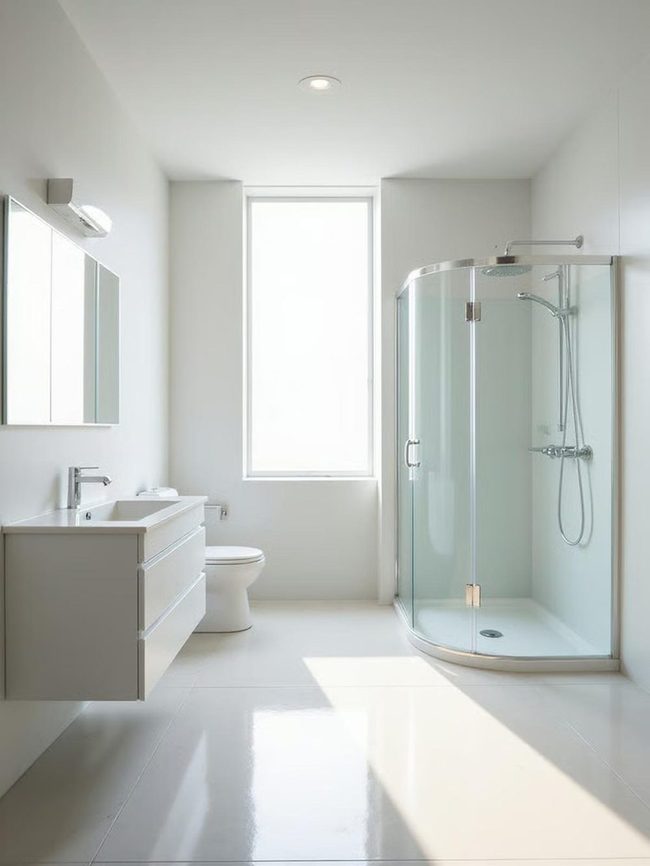
Organizing your bathroom layout from the start sets everything up for success, and I've noticed that many designs struggle because people skip this crucial step.
Measure your space and draw out a floor plan so you can see exactly what fits where, since even large bathrooms feel cramped when fixtures are placed poorly and small spaces can actually feel open when planned well.
Strategic placement of your vanity, toilet, shower, and storage creates a functional setup that works for how you actually use the room day to day.
Common mistakes like squeezing in oversized vanities, ignoring vertical storage, and forgetting to check how doors swing can really throw off your bathroom's usefulness.
Before you move anything around, think about where your plumbing already sits, where your windows and doors are, and what your walls allow.
Open shower designs without enclosures can free up tons of space, and pocket doors that slide into the wall instead of swinging out save far more room than traditional hinged doors.
Considering your existing plumbing locations and architectural features first means you won't run into expensive problems later.
Green Cascades Transform Bathroom Walls
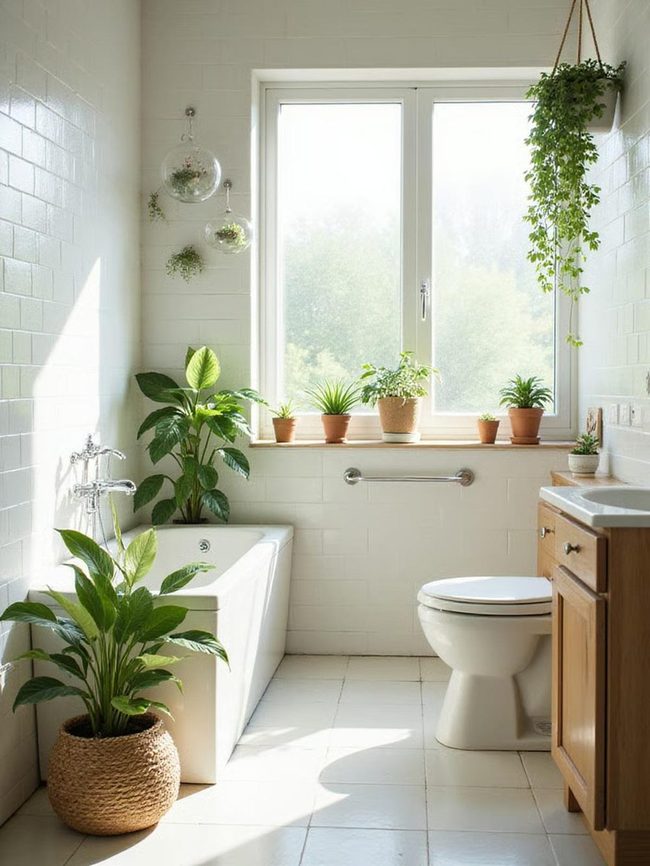
Pothos vines that cascade down from shelves or hanging planters bring an instant sense of lush movement to your bathroom walls, while orchids and ferns soak up the moisture your space naturally produces.
Snake plants and ZZ plants are forgiving options if you tend to forget watering, and peace lilies do double duty by thriving in humidity while cleaning your air at the same time.
Air plants skip the soil requirement entirely and need just a quick misting now and then to stay happy.
You can build vertical gardens using waterproof shelving or wall-mounted planters to fill empty wall space without taking up floor room, and method turns plain bathroom corners into green zones.
Beyond their good looks, plants soften those hard surfaces bathrooms are known for and pump oxygen into your space while filtering out toxins.
Getting the basics right matters, pots with drainage holes and quality potting mix keep roots from rotting in all that humidity.
Spider plants will even give you baby plants to propagate, so you can expand your collection over time.
Herringbone Tile Pattern Sophistication
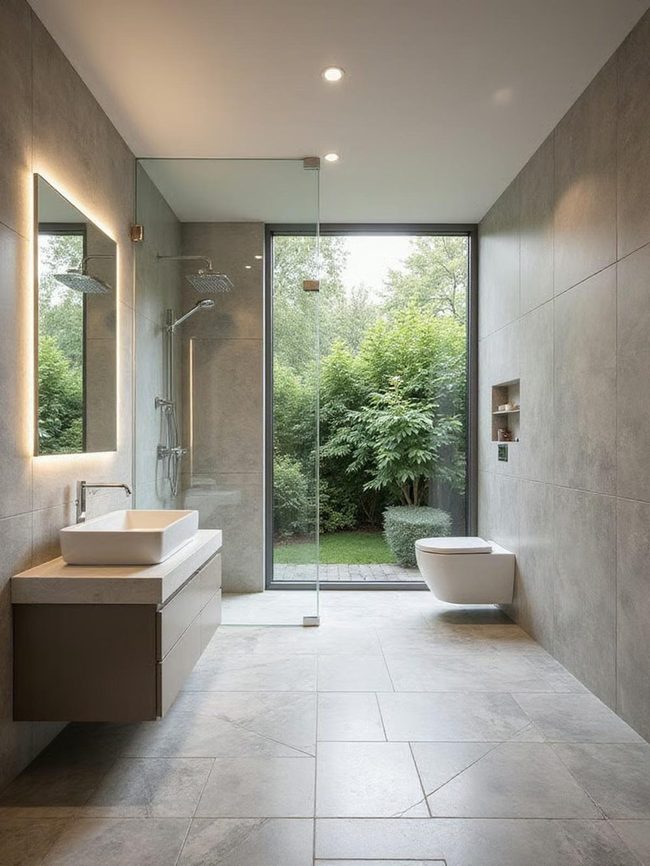
Tile is a smart choice for bathrooms because it handles moisture well, lasts for years, and gives you countless options to work with.
How you arrange your tiles really changes the way a room feels, vertical stacks can stretch your walls upward, while herringbone patterns bring sophistication and movement to the space.
Large tiles tend to open up small bathrooms and make them feel bigger, though smaller tiles let you add more texture and visual interest if that appeals to you.
Modern options include large-format styles, textured surfaces, geometric designs, natural stone, penny rounds, creative subway layouts, zellige tiles from Morocco with their handmade variations, and porcelain that mimics wood or concrete finishes.
One design trick that works well is picking one wall and covering it with bold, patterned tile to add interest without making the room feel too busy.
Don't overlook your grout color either because matching it to your tiles creates a smooth, seamless look while contrasting colors will highlight your pattern instead.
Using a tile leveling system during installation ensures your tiles sit perfectly flat and even, and we've seen how much this detail matters when you step back and look at the finished bathroom.
Patterned Shower Curtain Sets Bathroom Tone
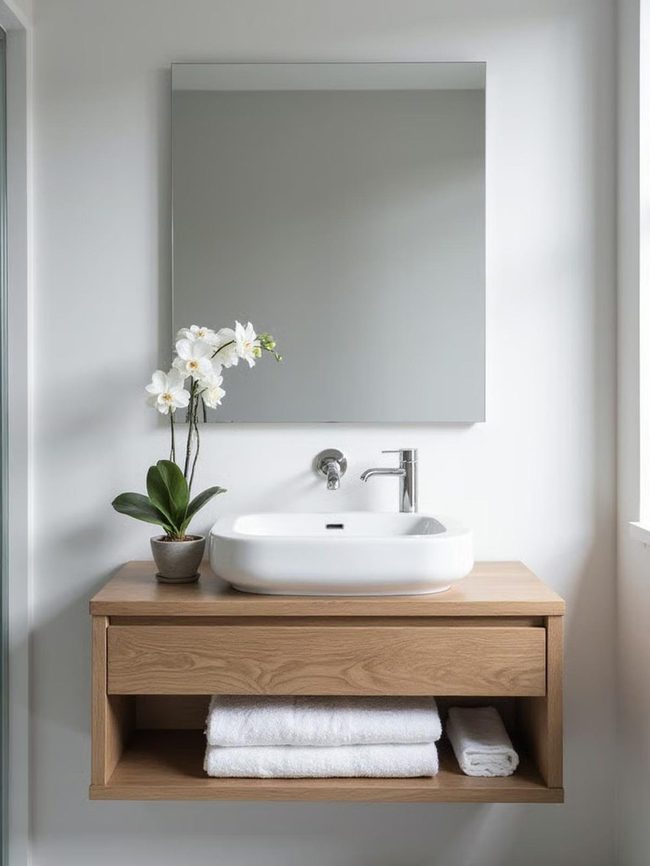
Shower curtains mass with pattern and color, immediately catching attention as one of the largest surfaces in your bathroom and setting the tone for everything else.
Bath mats and plush towels add comfort underfoot while introducing additional layers of texture and hue that work nicely with your overall scheme.
Artwork on the walls lets you express personality and fill empty spaces with images that mean something to you.
Plants bring freshness and natural elements into the room, gentleening hard surfaces and adding life to corners that might otherwise feel bare.
Decorative trays, soap dispensers, coordinated dishes, and stylish wastebaskets organize your countertop while blending seamlessly with your chosen style.
Towel bars, rings, and ladders in matching finishes tie functional storage to your design aesthetic without requiring renovation.
Accessories let you layer in warmth and character gradually, starting with neutral foundations and adding pieces one at a time so you can experiment with different looks before committing to anything permanent.
Candles and essential oil diffusers round out the experience, turning your everyday bathroom into a calm retreat that feels both personal and put-together.
Oversized Mirrors Amplify Natural Light
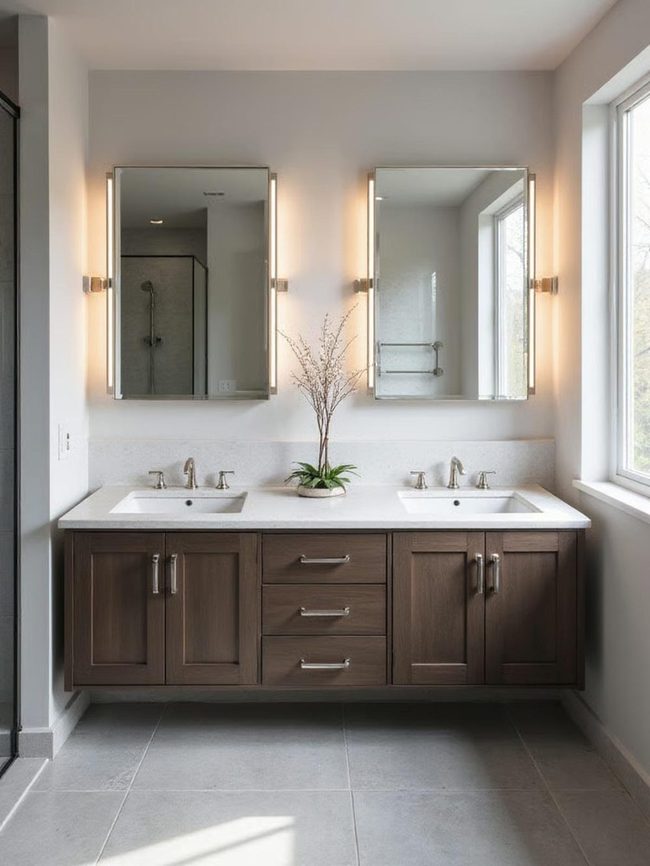
Oversized mirrors positioned across from windows bounce natural light around your bathroom and make the space feel noticeably larger, which is why we often turn to them first when redesigning a room.
Round or oval mirrors gentleen hard edges and add visual interest to your walls, while rectangular ones give you flexibility to fit most vanity sizes.
For framing, frameless mirrors deliver a clean modern vibe that's simple to wipe down, thin metal frames in brushed nickel or matte black work well with contemporary spaces, and ornate wood frames fit perfectly with traditional décor.
Pairing sconces on both sides of your mirror ensures balanced, flattering light across your face, and built-in LED options bring a updated feel to the space.
When you're picking mirror dimensions, aim for something slightly narrower than your vanity, typically 24 to 36 inches wide for a single sink setup, so everything stays proportional and functional.
Mirrors reflect colors and the overall mood of your bathroom, and placing them thoughtfully allows light and reflections to play off throughout other in appealing ways.
Freestanding Tub Luxury Bathing
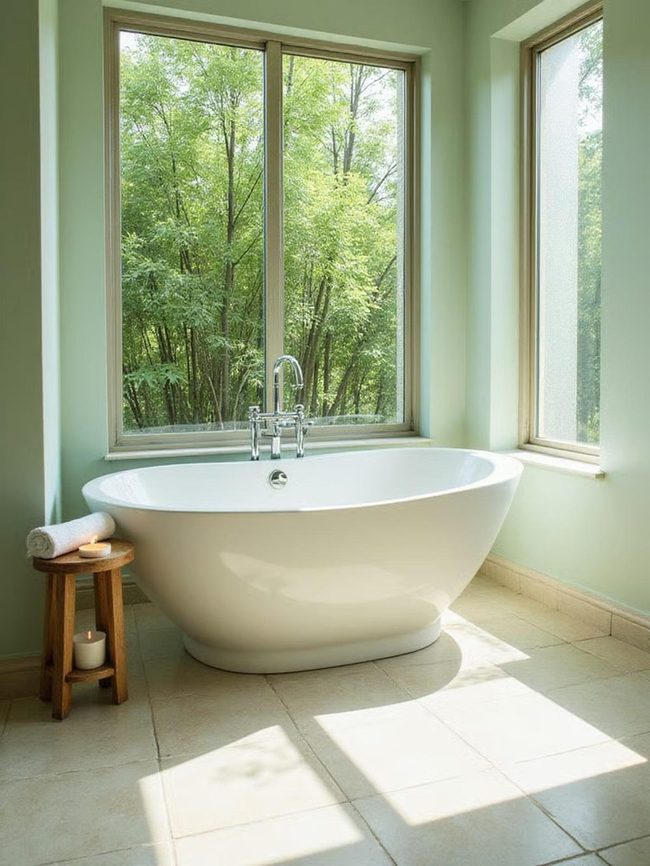
Freestanding bathtubs make a polished statement in any bathroom and serve as the main visual anchor for a spa-like atmosphere you could love soaking in.
Rain showerheads paired with body jets and handheld options transform your shower into a luxury retreat, and frameless glass enclosures keep the space feeling open and clean.
Your tub choice matters just as much as your shower setup, so think about whether you want a soaking tub for deep relaxation, a jetted tub for massage benefits, or an alcove style that saves space in smaller bathrooms.
Materials play a big role in how your tub performs and looks, acrylic is budget-friendly and light, cast iron holds heat like nothing else, and copper brings both antibacterial benefits and a distinctive appearance to your space.
Adding a chromatherapy system with colored lights helps shift your mood and deepens that relaxation feeling when you bathe.
We also suggest placing a bath caddy nearby to hold your books, candles, and drinks so everything you need sits within arm's reach.
Chrome And Matte Black Hardware Fixtures
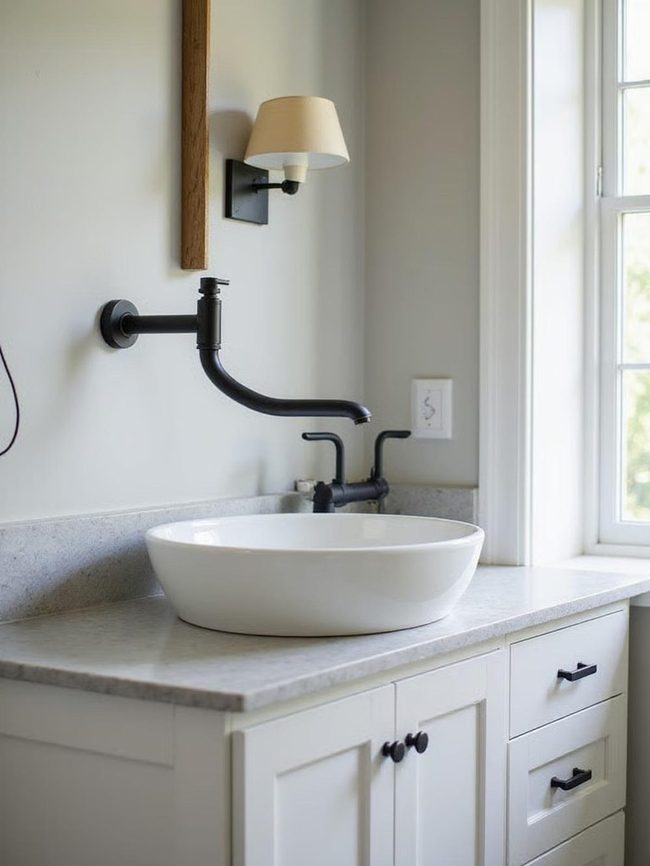
Hardware and faucets deserve just as much attention as any other bathroom element because they function like jewelry for your space, affecting both how things look and how well they work.
Shiny chrome fixtures or matte black handles instantly catch attention and set the tone for your entire design, so picking finishes that match throughout makes everything feel polished and intentional.
Water flow and handle comfort matter too, which is why you should test the faucet before buying and check water efficiency ratings.
Start by thinking about your bathroom's overall style, whether that's modern, traditional, or minimalist, then choose finishes like brushed nickel, brass, or chrome that fit that direction.
Don't hesitate to mix metals in smart ways, such as pairing brushed brass faucets with chrome cabinet pulls for something unexpected and refined.
Before committing to a purchase, order samples of your chosen finishes and hold them next to your existing bathroom elements so you can see exactly how they coordinate.
The texture and quality of well-designed hardware makes a noticeable difference, and material quality with good moisture resistance keeps everything looking great for years.
Exhaust Fans Control Bathroom Moisture
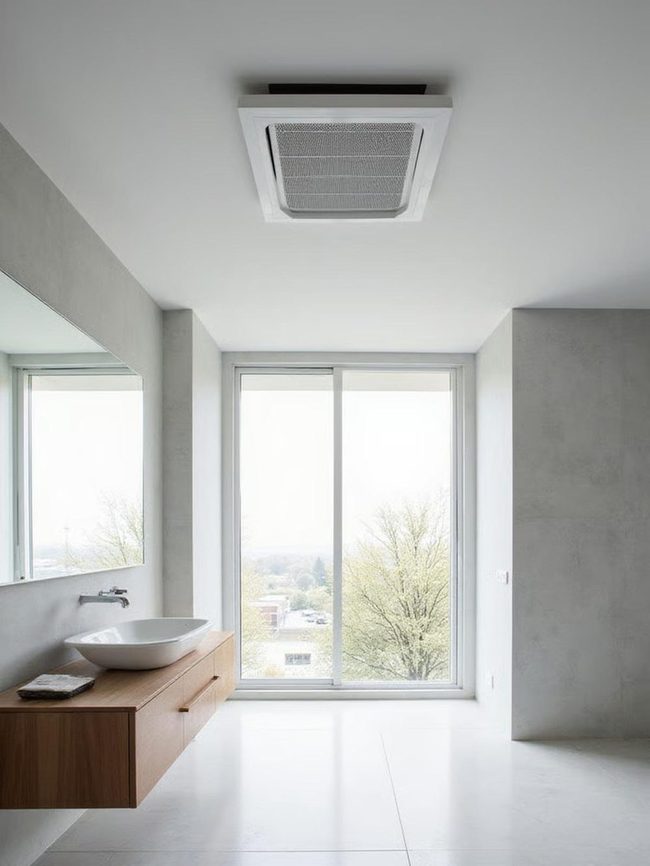
Keeping moisture under control stands out as one of the most important steps you can take in your bathroom, yet many people overlook it completely.
Without proper airflow, humidity builds up and leads to mold, mildew, peeling paint, warped wood, rusted fixtures, and stubborn odors that won't go away.
Exhaust fans are your best defense, and you have options like natural ventilation through windows or doors, though combining both methods works even better.
When you're shopping for an exhaust fan, pay attention to the CFM rating (cubic feet per minute) so it matches your bathroom size, check the noise level measured in sones, and look for energy-efficient models with features like humidity sensors or timers.
Running your fan during showers and for at least 20 minutes afterward removes excess moisture before it can damage your space.
Installing a humidity-sensing fan makes this easier because it turns on automatically without you having to remember.
Layered Lighting Eliminates Bathroom Shadows
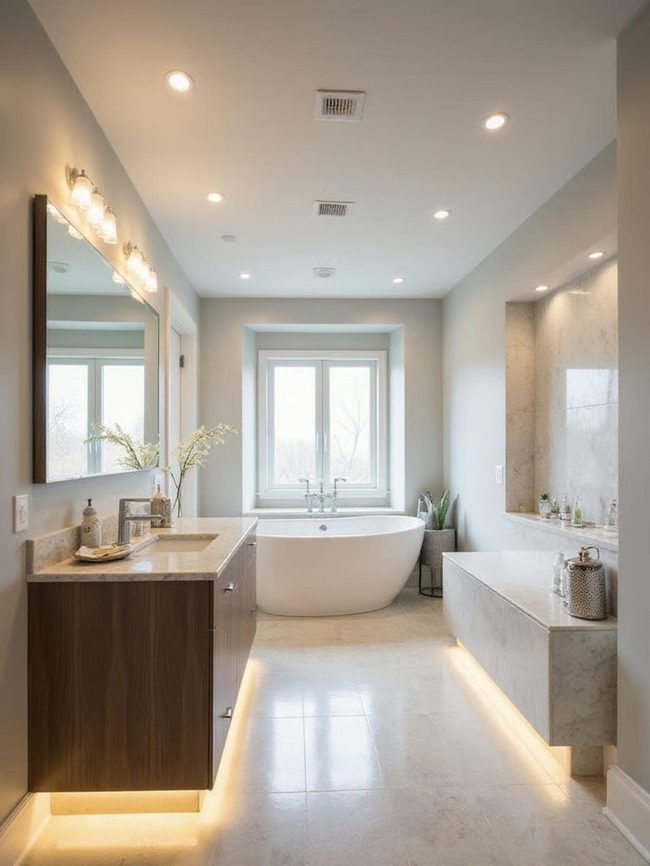
Layered lighting reworks your bathroom in ways that go beyond simple brightness and directly affects how the space feels throughout the day.
Multiple light sources working together eliminate harsh shadows and balanced illumination for everything from applying makeup to unwinding in the tub.
One overhead light alone falls short for these needs and tends to cast unflattering shadows across the room.
You will want to combine ambient lighting through recessed fixtures or ceiling pieces with task lighting from vanity sconces positioned on either side of mirrors, plus accent lighting that highlights architectural elements or decorative elements with spotlights or strips.
Installing dimmer switches on all your lighting layers lets you adjust brightness and set different moods depending on the time of day and what you're doing.
Energy-efficient LEDs with high color rendering make a real difference too, especially when you're shaving or doing your makeup and need accurate colors.
Water-Saving Fixtures Save Money
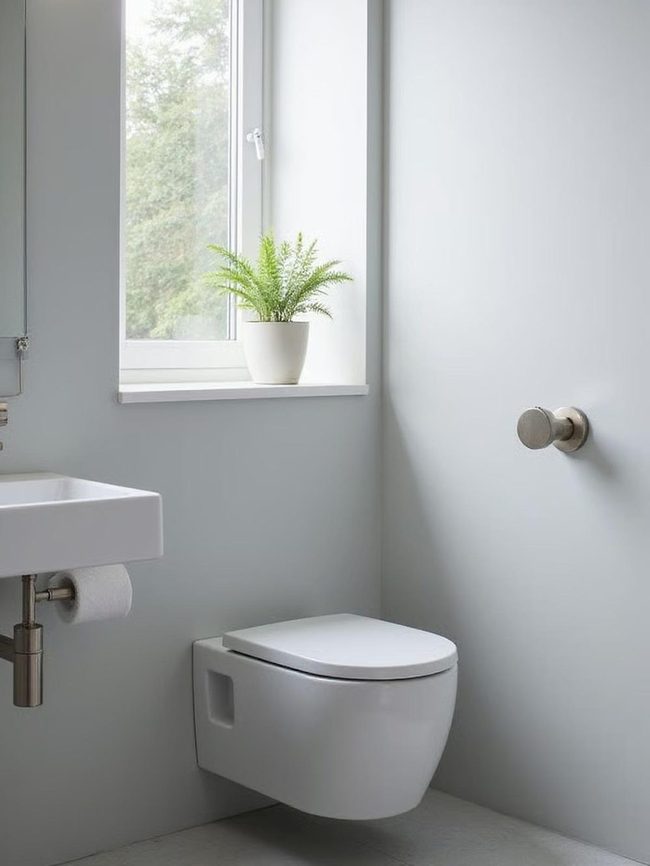
When you're planning your bathroom design, water-saving fixtures deserve a spot right at the top of your list because they make such a visible difference in both your space and your wallet.
Low-flow toilets and WaterSense-labeled showerheads stand out as the most impactful choices you can make, slashing water consumption while keeping the pressure and performance you expect.
Faucet aerators and dual-flush toilets offer adaptable to different needs ways to cut down on waste without changing how your bathroom looks or feels.
Beyond the immediate savings on your water bill, these upgrades often qualify for rebates from local governments and can boost your home's value by showing serious sustainability commitment.
Look for the EPA's WaterSense label when shopping, which means the product meets strict efficiency standards and uses at least 20% less water than regular models while still performing well.
You may want to check the gallons per flush ratings on toilets and gallons per minute ratings on showerheads and faucets since lower numbers mean better efficiency.
Tankless water heaters round out your options by delivering hot water on demand rather than storing it, which cuts down on waste and energy costs.
Bathroom Budget Planning Essentials
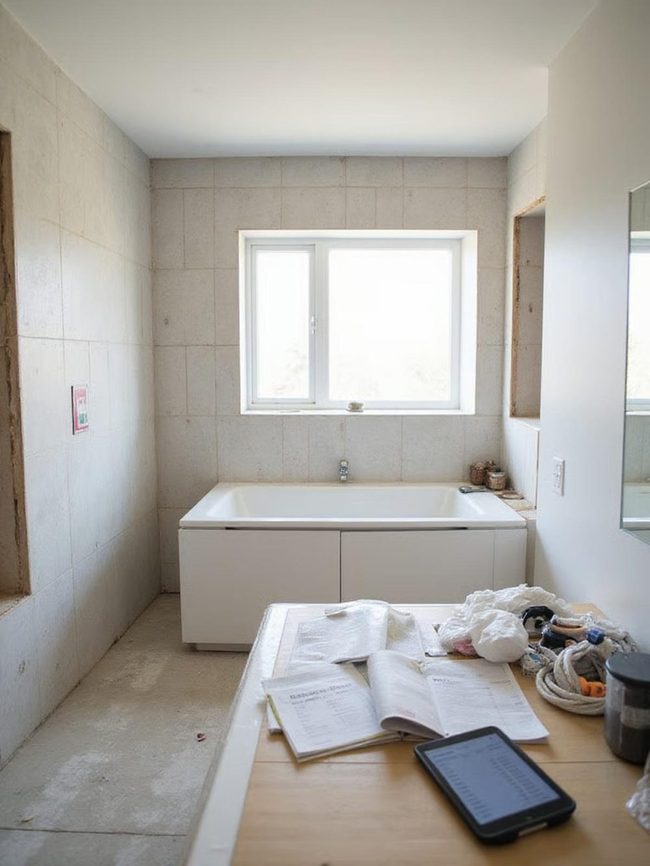
Setting a realistic budget and sticking to it gives you a solid framework for making bathroom design choices and keeps your project from spiraling out of control.
Without clear spending limits, you might end up selecting pricey finishes or adding upgrades that stretch beyond what you can afford.
When you know your numbers upfront, you can decide which elements matter most, find affordable alternatives, and maintain control as your renovation moves forward.
During bathroom work, several unexpected expenses often pop up that homeowners don't anticipate, including plumbing or electrical problems uncovered once demolition starts, fees for removing debris, permit and inspection costs, labor overages from complications or schedule delays, material price changes, small costs that add up for tools and supplies, and a safety cushion of about 10 to 20 percent of your total budget.
To handle spending worries and keep costs in check, you should track your expenses with spreadsheets or budgeting apps, keep copies of receipts and invoices, and talk openly with your contractors about your financial limits.
Where it makes sense, you can handle some work yourself to cut labor costs, such as painting walls or putting in accessories.
Alex Morgan
Founder & Head Home Stylist
Expertise
Interior Design and Space Planning, Color Theory and Eco-Friendly Practices, Traditional Art Techniques and Digital Innovation, Conceptual Development and Interdisciplinary Collaboration
Education
Otis College of Art and Design (Los Angeles, CA)
UCLA Extension (Los Angeles, CA)
Alex Morgan is the creative mind behind Nesthance, where he blends art and design to make home styling simple and inspiring. With a background in fine arts from Otis College and an interior design certificate from UCLA Extension, he brings a unique mix of creativity and practicality to every space.
From smart layouts to eco-friendly touches, Alex believes great design should be easy and accessible. Through Nesthance, he shares simple decorating ideas, DIY projects, and creative tips to help people turn their houses into homes.
When he’s not designing, Alex loves exploring LA’s flea markets, sipping coffee at local cafés, and finding fresh inspiration for his next project.