
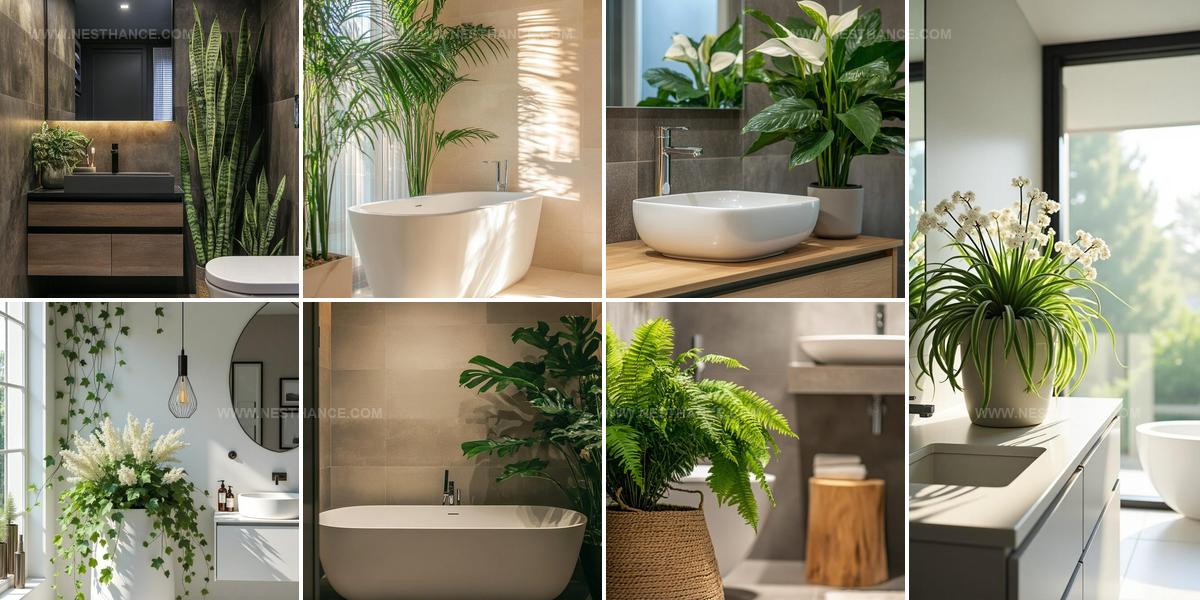
10 Plants That Thrive in Your Bathroom Space

Plants that thrive in bathroom environments can completely change how the space feels while improving air quality and adding natural beauty to what's often the most overlooked room in any home.
Bathrooms offer unique growing conditions with higher humidity levels and varying light situations that certain species absolutely love, making them perfect candidates for green companions that flourish where others might struggle.
You don't need extensive gardening experience to succeed with bathroom greenery, as many suitable options are remarkably forgiving and low-maintenance.
The right foliage selections can soften hard surfaces, introduce calming organic elements, and even help absorb excess moisture that tends to accumulate in these spaces.
Choosing varieties that match the specific conditions of the room-whether bright and steamy or dim and cool-ensures healthy growth and long-term success.
Understanding which species work best and how to care for them makes all the difference between thriving greenery and disappointing results.
Mold-Fighting Green Vine Wall
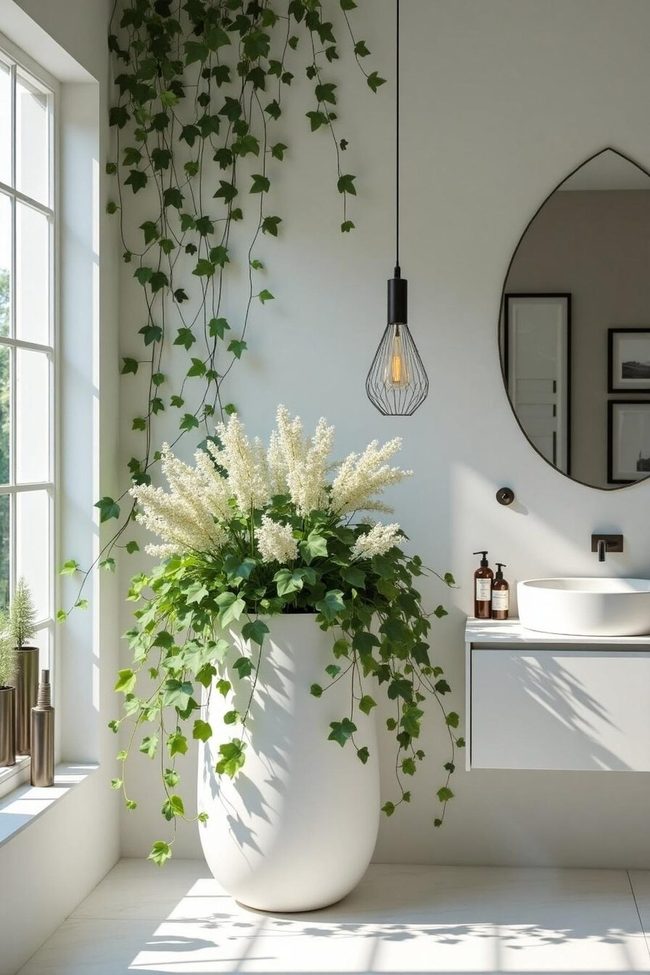
English ivy stands out with its distinctive lobed leaves and delicate veining patterns that bring old-world charm and visual depth to any bathroom space.
What makes this plant truly special is its proven ability to reduce airborne mold spores by up to 60%, which tackles one of the biggest humidity problems you face in bathrooms.
Beyond mold, it filters benzene, formaldehyde, xylene, and toluene from the air and even helps reduce airborne fecal matter particles, a finding from the American College of Allergy, Asthma and Immunology that matters more than most people realize.
You can train it to climb walls or trellises, or let it cascade from high shelves and boost its air-purifying surface area without much fuss.
Bathrooms are actually perfect homes for English ivy since these plants love the consistent moisture and humidity that other houseplants struggle with.
It adapts well to moderate indirect light and even handles lower light conditions, so placement isn't something you need to stress about.
Misting the leaves occasionally helps remove dust buildup and keeps the air-cleaning power working at its best.
The variegated varieties with white or yellow leaf margins brighten darker corners while the plant grows relatively quickly and delivers increasingly better air filtration as it produces more foliage.
Green Feathery Stems Clean Air
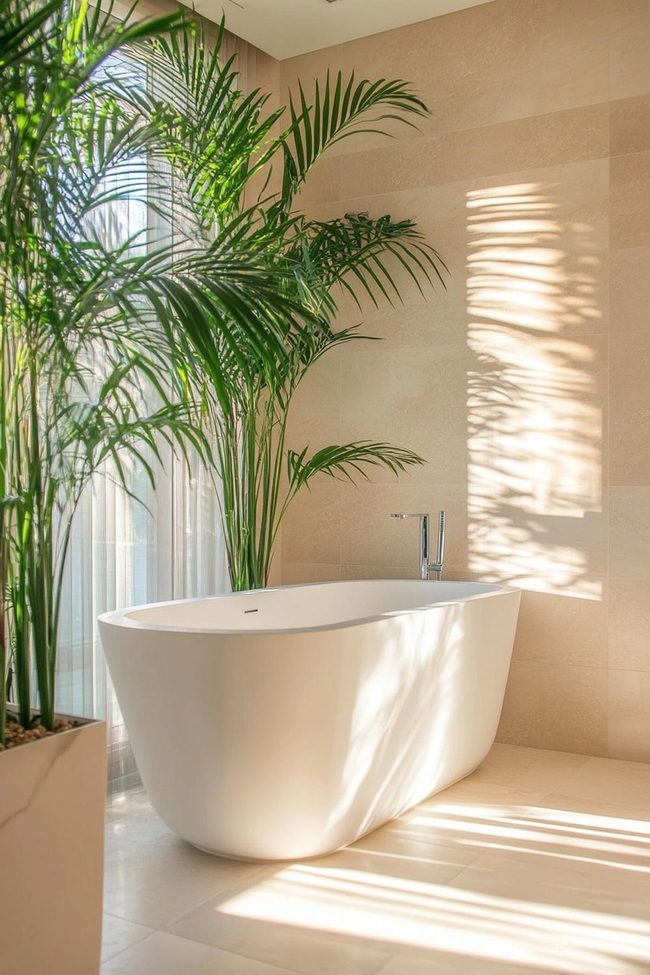
Bamboo palms bring a striking tropical look to bathrooms with their feathery fronds spreading across multiple thin stems, and this lush appearance instantly softens the space into something that feels like a personal spa retreat.
What makes these plants stand out is their powerful air-cleaning ability, they rank high in NASA's Clean Air Study for removing formaldehyde, benzene, and trichloroethylene, which are common chemicals released by bathroom products and synthetic materials.
Your bamboo palm will thrive in bathroom humidity since these plants naturally love moist environments and actually increase moisture levels in the air, which helps prevent dry skin and respiratory issues during drier seasons.
Light-wise, they're flexible and adapt well to various bathroom window situations, preferring radiant indirect light but handling lower light conditions without complaint.
Growing to a medium height of four to six feet when mature, they work perfectly as statement plants for bathroom corners with good ceiling space.
Regular bathroom humidity makes caring for them easy, you just keep the soil consistently moist but not soggy, and the environment does most of the work for you.
Since they're pet-friendly, you won't worry if curious animals explore the greenery around your bathroom.
Throughout the day, these palms release oxygen and absorb carbon dioxide, steadily improving the air quality in your bathroom and the spaces nearby.
Green Succulent Bathroom Air Purifier
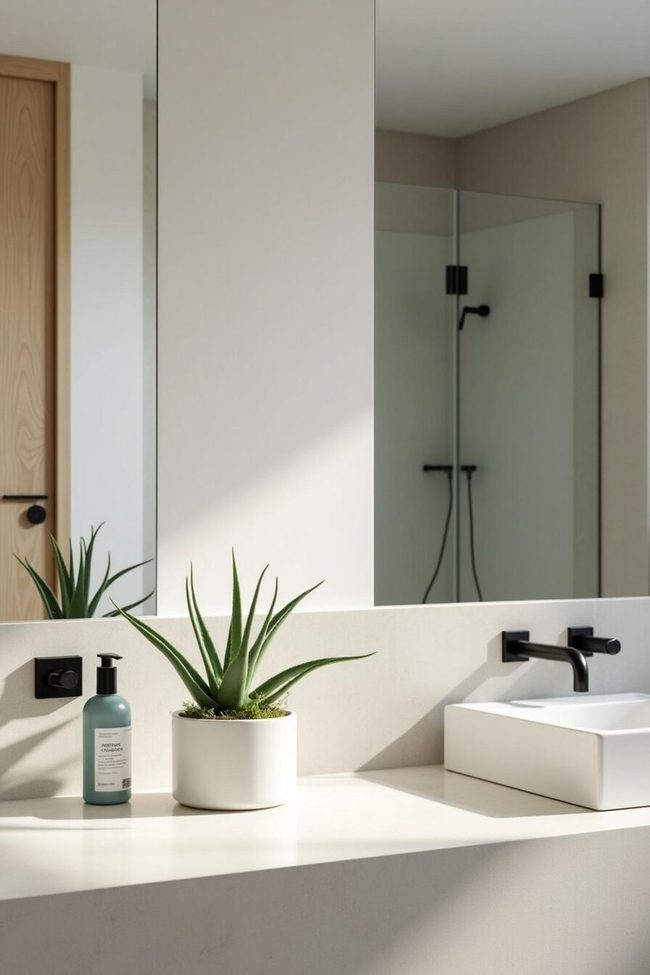
Aloe vera plants showcase thick, succulent leaves with subtle spikes that bring architectural interest and modern style to your bathroom space, and they work as both a living air quality monitor and a user-friendly healing resource all in one.
Brown spots appear on the leaves when excessive pollutants are present, so you get real-time feedback on your bathroom's air quality just by looking at the plant.
Beyond their striking appearance, these plants filter benzene and formaldehyde from the air, chemicals commonly found in bathroom cleaning products and air fresheners, while the gel inside the leaves offers antibacterial, antifungal, and anti-inflammatory benefits for minor burns, cuts, and skin irritations.
Since aloe vera prefers airy, indirect light, bathrooms with windows that receive several hours of filtered sunlight provide the perfect home for these plants.
You are able to love that aloe needs very little water since allowing the soil to dry completely between waterings makes it ideal if you sometimes forget plant care, and it even releases oxygen and absorbs carbon dioxide at night to improve air quality while you sleep.
Well-draining soil and pots with drainage holes prevent root rot in humid bathroom environments, and the plant's ability to store water in its leaves also helps regulate humidity by releasing moisture gradually into the air.
Dangling White-Striped Air Purifier Plant
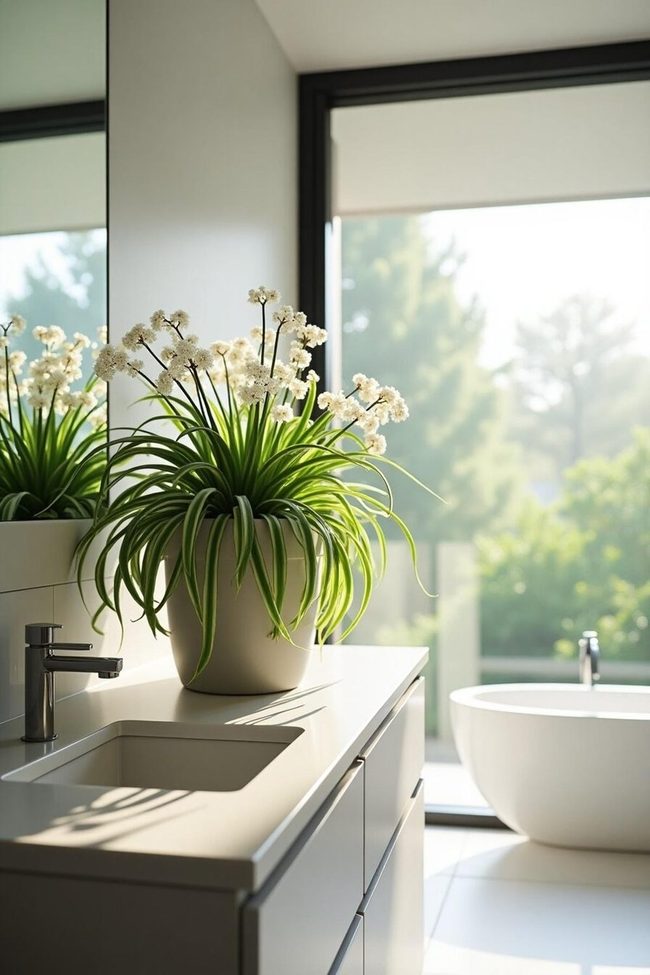
Spider plants stand out with their striking arching leaves striped in white, and they produce dozens of dangling baby plants that hang from the mother plant like a living mobile, bringing real movement to bathroom spaces.
Beyond their eye-catching appearance, these hardy plants excel at scrubbing your air clean by removing carbon monoxide, formaldehyde, xylene, and toluene, nasty substances that often lurk in bathrooms from vinyl curtains and plastic accessories.
One reason we love them for bathrooms is their flexibility with light, they do great in open spots but handle low light too, so you can place them almost anywhere in your bathroom.
Humidity doesn't bother these plants at all; they keep cleaning your air through steamy showers and drier periods without missing a beat.
If you have pets or kids, you could appreciate that spider plants are completely non-toxic, so there's no worry about curious nibbling.
Their cascading growth works beautifully on shelves or hanging planters where those baby spiderettes get plenty of visibility.
Best of all, you can easily propagate the babies by sticking them in water until roots show, then potting them up for an endless supply of air-cleaning plants.
Sword-Shaped Leaves Purify Air Nightly
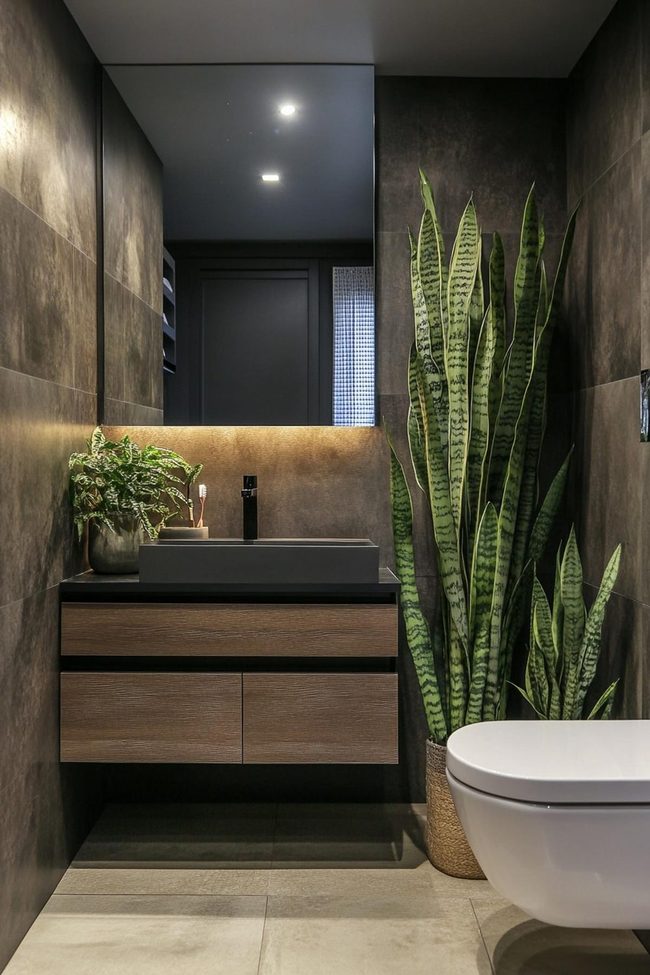
Snake plants bring striking architectural interest to any bathroom corner with their tall, sword-shaped leaves, and they're NASA-approved air purifiers that remove formaldehyde, benzene, xylene, and trichloroethylene from your indoor air.
What sets these plants apart is their unique ability to convert carbon dioxide into oxygen at night, unlike most plants that only do this during the day.
You can find they thrive in low light conditions, which makes them perfect for bathrooms with small or frosted windows, and they need watering just once every 2-3 weeks since their thick leaves store moisture naturally.
Humidity fluctuations from steamy showers to dry periods won't bother them at all, and their upright growth means they fit nicely on countertops, toilet tanks, or floor corners without hogging space.
Even with irregular care, these plants keep working to purify your air for years and are virtually impossible to kill.
Variegated varieties with yellow or white edges add a pop of color that works well with most bathroom palettes, while their smooth, waxy leaves dust easily in humid bathroom environments.
Over time, you could notice fewer allergy symptoms since snake plants excel at removing airborne allergens, and if you have a small bathroom, the compact "Bird's Nest" variety delivers the same air-purifying benefits in a tinier footprint.
Heart-Shaped Green Air Purifier
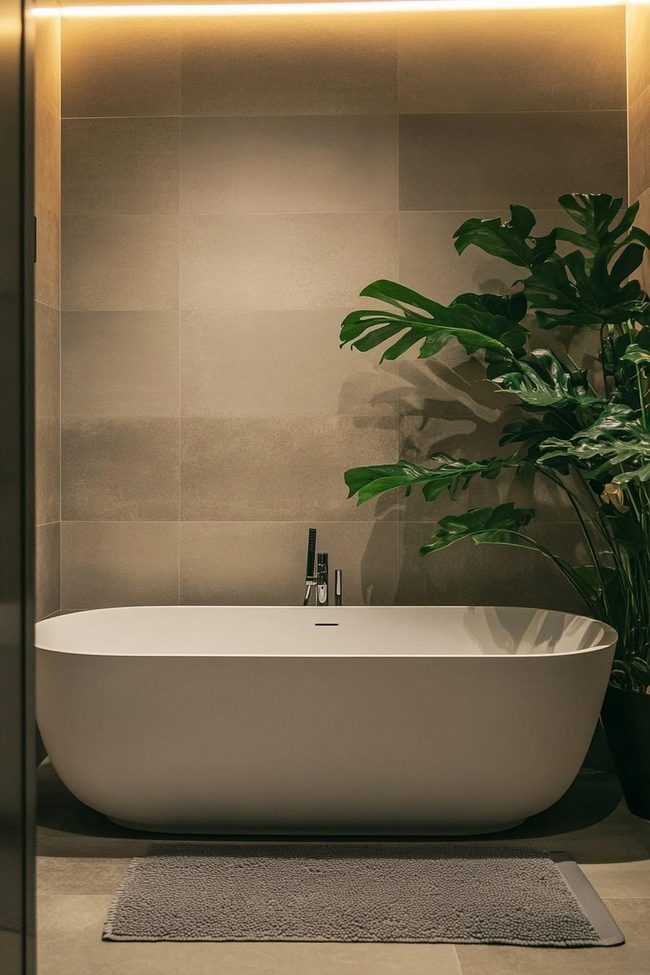
Philodendrons stand out with their glossy, heart-shaped leaves in different sizes and patterns, bringing a tropical feel right into your bathroom space.
You can choose from climbing, trailing, and upright varieties depending on what works best with your layout.
When you hang the trailing types on high shelves or in hanging planters, their vines cascade down and soften the hard lines of your bathroom architecture.
Beyond their good looks, these plants work hard to remove formaldehyde from your air, a pollutant that comes from paper products, certain fabrics, and some cleaning supplies.
NASA researchers confirmed that philodendrons rank among the top air-purifying plants, filtering significant amounts of indoor pollutants within 24 hours as they absorb gases through their leaves and roots.
You may appreciate how these resilient plants handle humidity swings without losing their ability to clean your air, staying effective through steamy showers and drier spells.
They adapt well to medium or low light conditions, so even bathrooms without much natural sunlight work fine for them.
Caring for philodendrons is straightforward since they communicate their needs clearly, yellowing leaves mean you're watering too much, while drooping indicates they need a drink.
You can easily multiply your collection by rooting stem cuttings in water and growing new plants to expand your air-purification system throughout the room.
Green Fronds Filter Bathroom Air
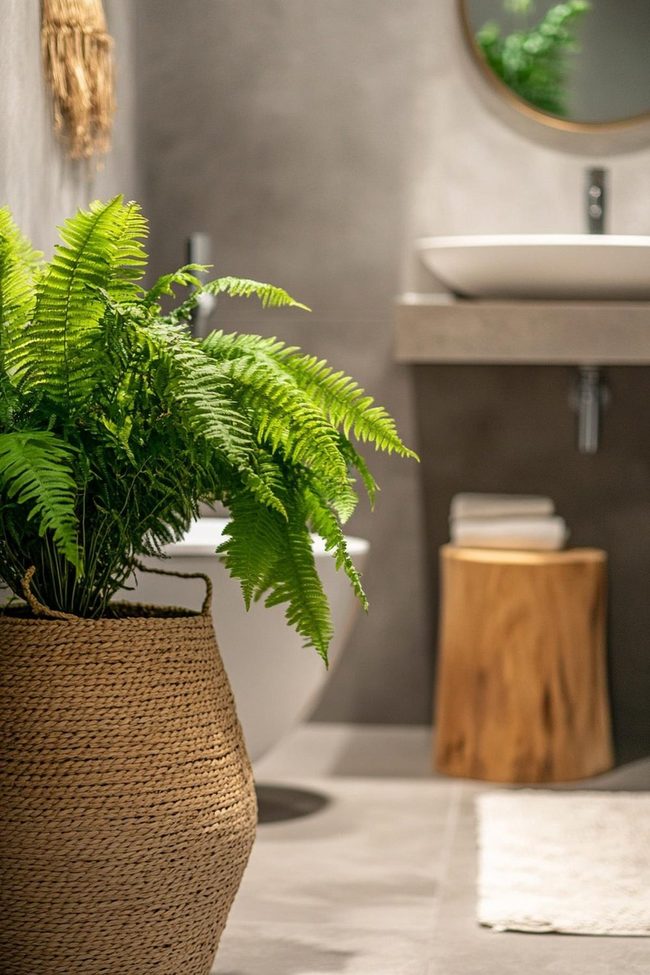
Boston ferns showcase delicate, arching fronds that cascade like a waterfall and soften the hard edges of bathroom fixtures.
These lush, feathery plants bring woodland serenity to your space and transform it into a natural retreat with their green color.
Beyond their beauty, Boston ferns excel as air purifiers and remove formaldehyde from products like toilet paper and tissues.
Your bathroom's naturally humid environment from daily showers makes it an ideal home for these moisture-loving plants, and they release extra humidity back into the air to help you breathe easier.
Boston ferns filter chemicals like xylene and toluene commonly found in bathroom cleaners and personal care products.
Since they prefer indirect light, you can place them near north or east-facing windows where they'll get gentle morning sun.
You have flexibility in how you display them, hanging baskets, shelves, or plant stands all work well and help you use vertical space in smaller bathrooms.
Regular misting during winter keeps them happy when heating systems dry out the air, and as they grow, they become even better at reducing airborne microbes and filtering out bathroom germs.
Golden Vines Clean Bathroom Air
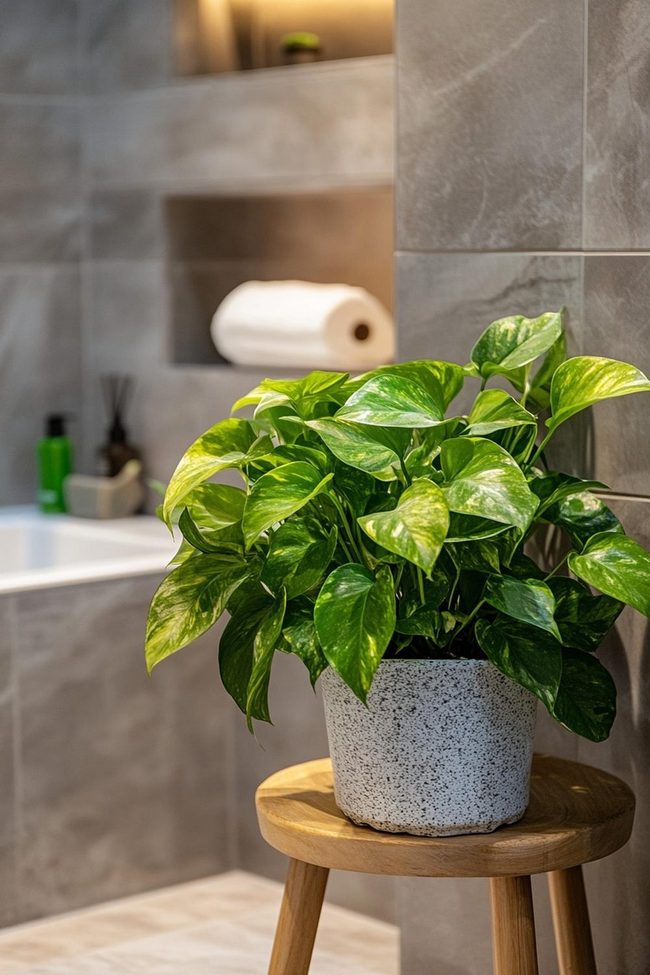
Heart-shaped leaves cascade down pothos vines and transform your bathroom into a lush green space, with varieties ranging from golden streaks to marbled white so you can match your color scheme perfectly.
Beyond their striking appearance, these plants efficiently pull formaldehyde, benzene, and carbon monoxide from your bathroom air and can reduce carbon monoxide levels by up to 73 percent in studies.
Growing quickly in favorable conditions, pothos produces more foliage rapidly and becomes increasingly effective at trapping airborne bathroom particulates that irritate your lungs and skin.
You will find pothos works in almost any bathroom because it thrives in both radiant indirect light and low light, even in windowless spaces with only overhead lighting.
Trailing vines look beautiful on high shelves or hanging planters where they cascade down and soften your bathroom's hard lines and angles.
Propagating new plants is simple since you can cut a vine segment with a node and place it in water to give rise to fresh plants for expanding your air-purifying network.
These resilient plants adapt to nearly any situation, making them perfect whether you're new to growing plants or managing a hectic household.
White Blooms Purify Humid Bathrooms
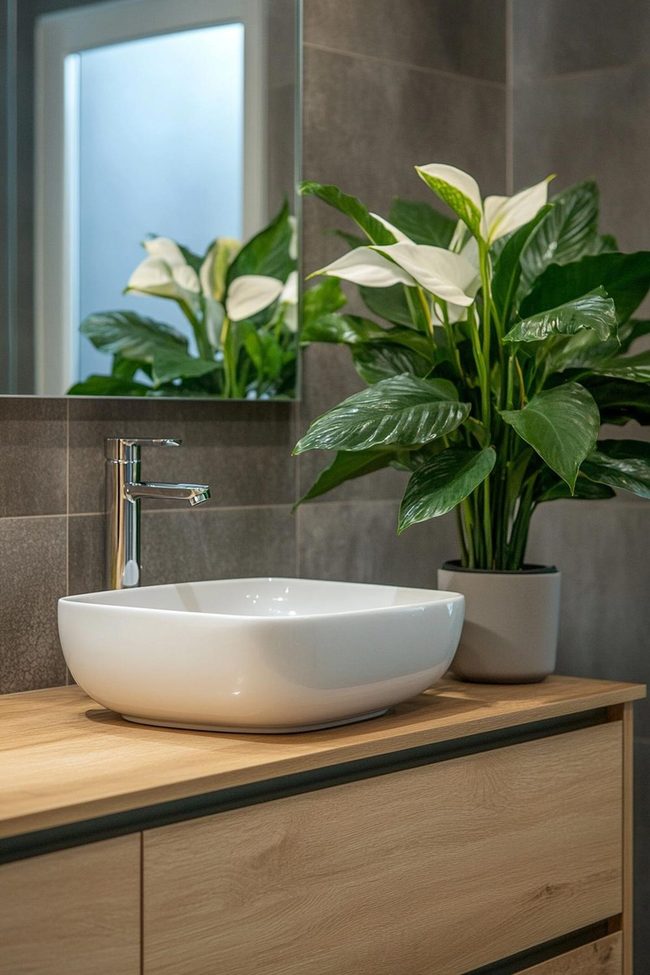
Peace lilies make a bold statement in any bathroom with their striking white blooms and glossy green leaves that stand out beautifully against standard bathroom fixtures.
Those distinctive white flowers, which are actually modified leaves called spathes, bring a spa-like quality to your space and elevate the overall look.
Beyond their visual appeal, these plants work as powerful air purifiers and remove ammonia, benzene, formaldehyde, and trichloroethylene – all common toxins found in cleaning products you likely use daily.
NASA's Clean Air Study ranked them among the top plants for removing indoor pollutants, and they're especially good at reducing mold and mildew spores that affect your bathroom's air quality and health.
What makes peace lilies so functional for busy households is their dramatic way of telling you when they need water by drooping their leaves, so you won't forget to water them on schedule.
They thrive in the indirect light and humid conditions that naturally exist in most bathrooms and prefer temperatures between 65-80°F, making them perfectly suited to your bathroom's environment.
You can find they require minimal care since you only need to feed them once during spring and summer, and their compact root systems mean they won't quickly outgrow their containers.
Deep Green Feathered Air Purifier
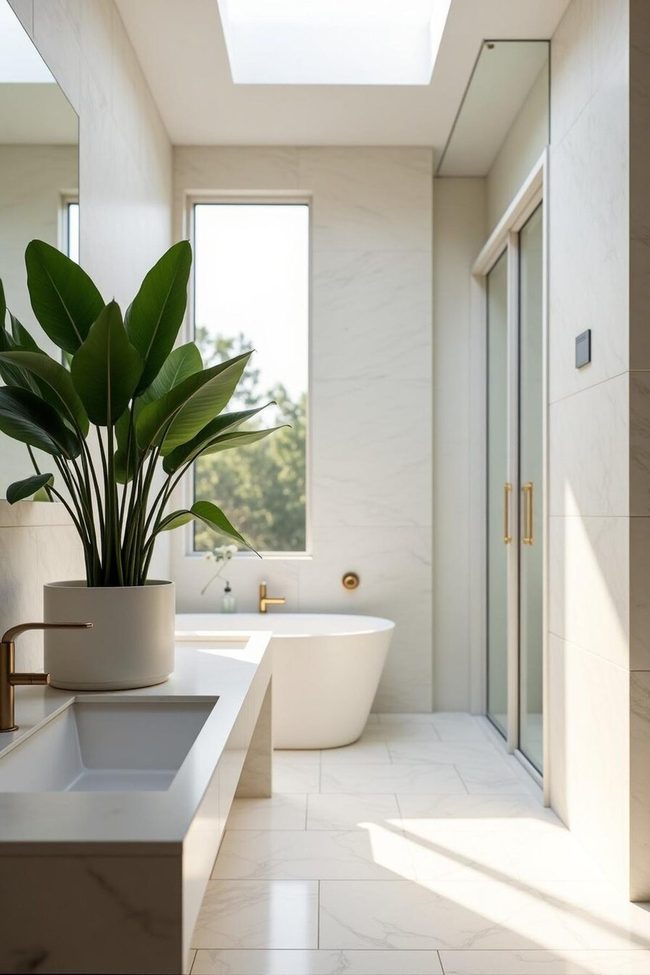
Plant a Zamioculcas zamiifolia in your bathroom and you can instantly add glossy, deep green leaves arranged in feather-like patterns on arching stems that bring sophisticated botanical structure to the space.
What makes this plant so special is its remarkable resilience – it survives with minimal care, making it perfect for busy households or bathrooms where conditions shift constantly.
Beyond looking good, it removes xylene, toluene, and benzene from your air, which are chemicals commonly found in personal care products and cleaners.
These plants adapt to nearly any bathroom lighting situation, whether you have a windowless space or a sun-filled room, since they thrive in low to airy indirect light.
I love that they store water in bulbous roots and can go weeks between waterings, so travelers and forgetful caregivers won't stress about the schedule.
Bathrooms tend to have temperature swings and steam from showers, but this plant handles those fluctuations without losing its air-purifying abilities.
For placement, the upright while staying compact growth habit works well on bathroom countertops, toilet tanks, or floor corners where space may be tight.
You should avoid overwatering since these plants prefer to dry out completely between waterings, and they maintain their lustrous appearance with just occasional dusting to keep the leaves effective at filtration.
Jasmine Lee
Content Creator & Style Advisor
Expertise
Content Creation & Engaging Writing, Home Project Ideas & Decorating Tips, DIY Projects & Creative Solutions, Trend Spotlights & Practical Styling Advice, Easy-to-Follow Guides for Home Decor
Education
University of California, Los Angeles (UCLA)
Jasmine Lee is a content creator and style advisor at Nesthance, making home décor feel fun and effortless. With a degree in communications from UCLA, she has a knack for turning decorating ideas into easy, step-by-step guides that anyone can follow.
She loves sharing practical styling tips, creative DIY projects, and trend insights to help readers refresh their spaces without stress. Her work focuses on making design approachable and inspiring for all.
Outside of writing, Jasmine enjoys discovering new design trends, attending workshops, and curating inspiration boards to keep ideas fresh and exciting.