
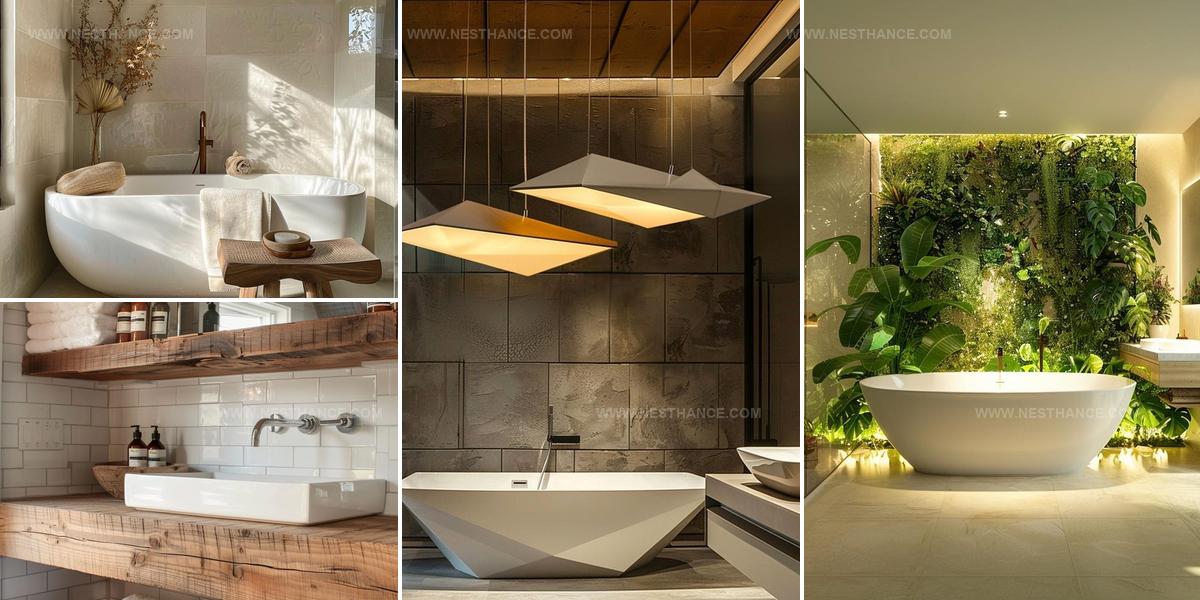
13 Japandi Bathroom Ideas for Warm Minimalist Calm

A japandi bathroom combines the best of Japanese minimalism and Scandinavian functionality to deliver a serene space that feels both warm and uncluttered.
The aesthetic has gained tremendous popularity among homeowners who crave calm, balanced environments where they can unwind after long days.
Clean lines, natural materials, and muted color palettes define the look, making it easier than ever to achieve a spa-like atmosphere without overwhelming design elements.
The philosophy behind this fusion style emphasizes quality over quantity, encouraging you to select pieces that serve a purpose while maintaining visual harmony.
Neutral tones like soft beiges, warm grays, and gentle whites blend seamlessly with organic wood accents and subtle textures.
The result is a sanctuary that feels equally inviting and refreshing, where form meets function in the most elegant way.
Designing such a space may seem challenging at first, but understanding the core principles makes the process both enjoyable and rewarding.
Straight Line Neutral Tiles
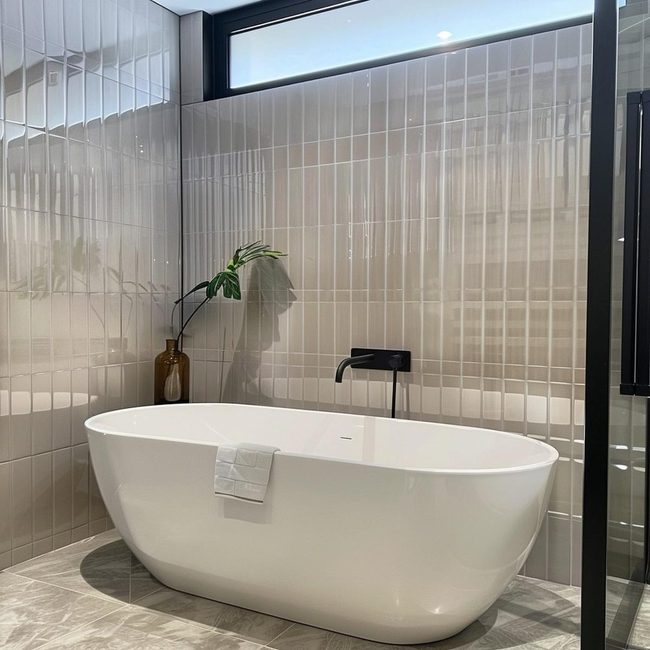
Geometric tiles arranged in straight lines form the backbone of Japandi bathroom design, and their clean, orderly appearance stands out immediately against more ornate, patterned options.
Subway tiles placed vertically on walls build tall, unbroken lines that draw the eye upward and reinforce the style's minimalist foundation.
You can also consider larger rectangular formats like 12×24 inch tiles, which offer generous linear surfaces and reduce visual clutter from grout lines.
For flooring, wood-look tiles or natural stone rectangles laid in linear patterns maintain that same streamlined aesthetic throughout your space.
Pairing light-colored tiles with dark grout lines amplifies the linear effect and adds definition to in all tile's edge.
These straightforward, geometric arrangements support Japandi's core principle of simplicity and restraint, steering clear of busy patterns that would compete with the overall calmness.
The linearity itself reinforces order and becomes the quiet strength of your bathroom's design.
Pendant Light Neutrals With Gentle Sage Accents
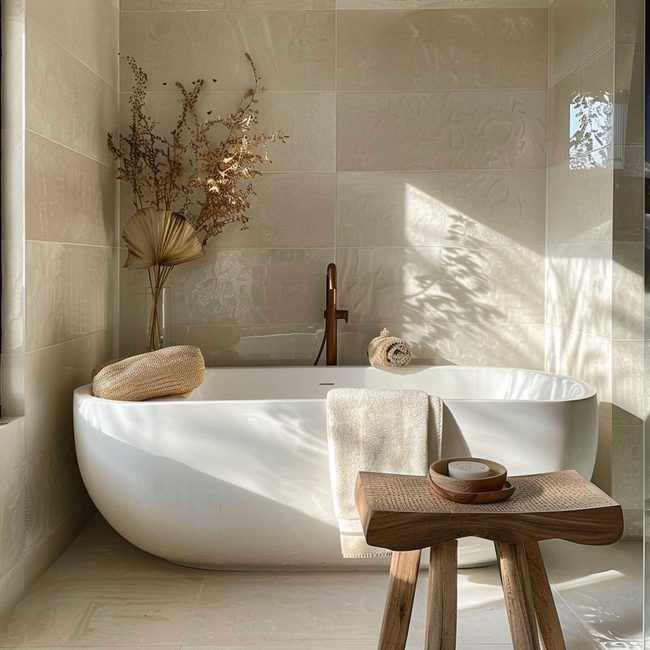
Japandi style embraces a natural, calming color palette drawn from nature that works beautifully in bathroom spaces, and you can want to anchor your design with light neutrals and earth tones like white, beige, gray, and light wood finishes.
Muted pastels such as sage green, sky blue, and muted peach can enhance the scheme, though using them as sparse accents against predominantly neutral surfaces keeps the look balanced and restful.
You can introduce these gentle colors through tiles, paint, textiles, and accessories, think sage towels or a lightweight peach bath mat that adds character without overwhelming the space.
Natural elements like rounded river rocks and woven baskets echo these soothing hues while flowing curtains bring movement and lightweightness to your bathroom.
The strength of lies in its simplicity and restraint, so aim for a minimal palette where pale color touches appear sparingly throughout.
Luminous primary colors and overly saturated shades clash with the peaceful mood you're building here, so keeping things understated helps you achieve that Zen-like atmosphere your bathroom deserves.
Geometric Pendant Lights Define Space
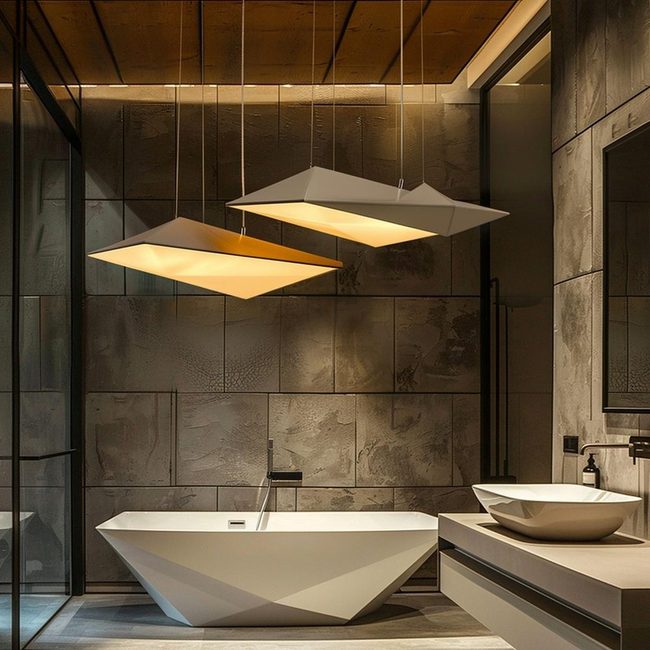
Geometric lighting fixtures become sculptural art pieces in a Japandi space, and their clean lines add striking visual interest against minimal backdrops.
Round globe pendants, angular sconces, and long linear fixtures across offer their own artistic presence while keeping things streamlined.
Natural finishes like wood, matte metals, or white lacquer work best and let you avoid anything ornate or overly colored.
Wall-mounted fixtures and multiple hanging pendants add dimension without making the room feel crowded.
When you keep lighting simple and uncluttered, it illuminates your space in a way that feels calm and intentional.
The key is choosing pieces that function as both easy to maintain lighting and design elements together.
Simple fixtures actually give you more control over the mood and flow of your room.
Green Plants Transform Bathroom
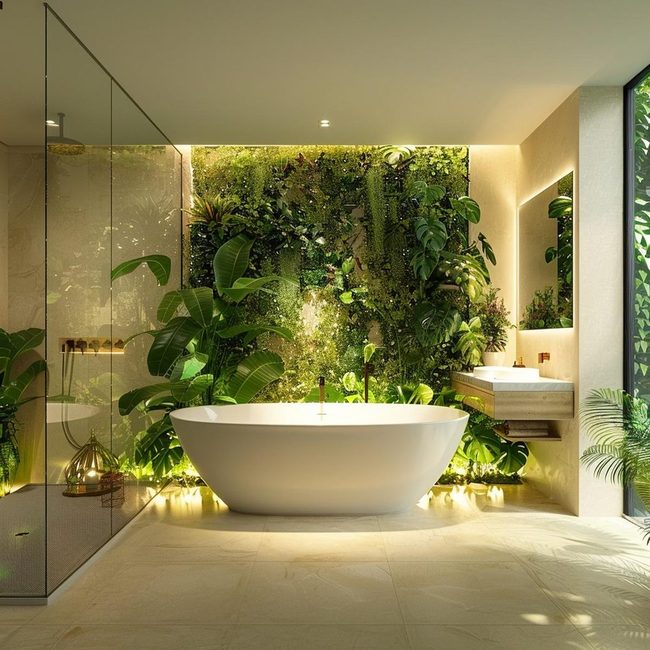
Hanging moss balls, dried eucalyptus, and lavender bundles from your ceiling brings nature right into view and adds that final touch of greenery your bathroom needs.
Lush plants placed on wood shelves, along the tub edge, or on windowsills let you bring the patio feeling indoors while the greenery also purifies your air.
Bamboo, ferns, orchids, air plants, moss, succulents, and snake plants all thrive in humid bathrooms without demanding much care from you.
A small vertical garden with hanging air plant holders works beautifully if you want to maximize your space and keep things organized.
Pairing your organic plants with modern planters in white ceramics or cement creates a nice contrast and keeps the look contemporary and clean.
Japandi style lets you transform your bathroom into a peaceful personal retreat by combining natural elements, clean lines, neutral tones, and minimalist design together.
Natural wood finishes, stone accents, freestanding tubs, linear tiles, floating shelves, and indoor plants all work to build that serene atmosphere you're after.
With simplicity and functionality as your foundation, Japandi creates a soothing with a more modern atmosphere bathroom space that genuinely relaxes both your mind and spirit.
Clean Lines Fixture Lumber Vanity
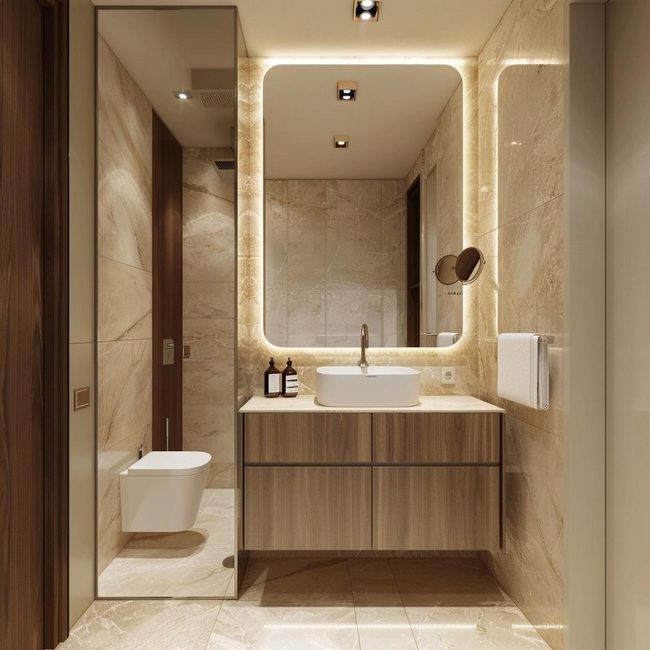
Japandi style thrives on keeping things simple and uncluttered, so swap out ornate vanities for clean, modern designs with straight edges and minimal ornamentation.
Pick neutral shades like white, gray, or natural wood tones that feel calm and restful in your bathroom.
Hardware matters too, stick with simple handles and knobs in brushed metals or matte black rather than anything fancy or decorative.
Keep your countertop bare by tucking toiletries, cosmetics, and accessories into drawers, baskets, or closed cabinets where they stay hidden from view.
With this layout, brings a spa-like quality to your bathroom and makes the room feel less overwhelming.
Your vanity becomes a serene spot rather than a place that demands visual attention, and that's what makes this style so rewarding for daily use.
Linen And Bamboo Bathroom Textiles
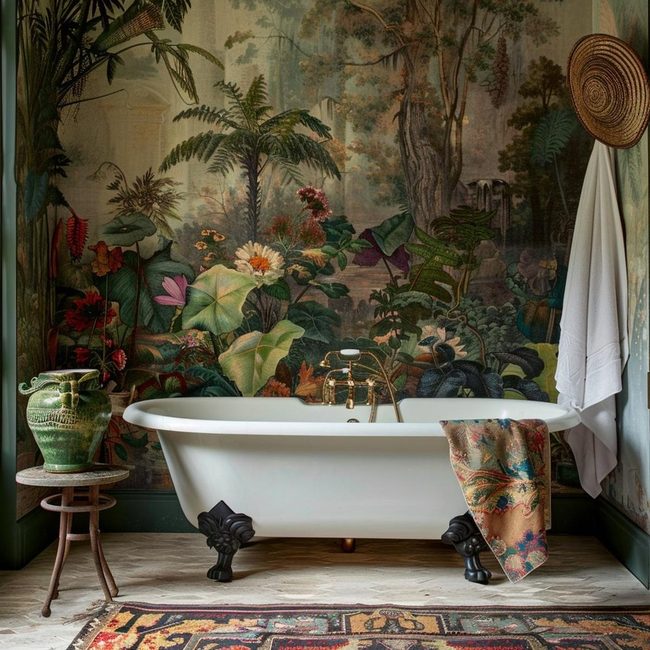
When furnishing your Japandi bathroom, don't overlook textiles since the right fabrics anchor the nature-inspired mood throughout the space.
Natural materials like linen, cotton, and bamboo work beautifully in understated, neutral shades that echo what you find outdoors, think earth tones and pale pastels for your towels, bath mats, and shower curtains.
Woven patterns such as gentle waves, organic shapes, or basic stripes fit naturally into this style.
Near your tub or shower, place rugs made from jute, seagrass, or sisal to give your feet something natural and textured underfoot.
Windows benefit from sheer linen curtains that allow light through while keeping the space open and calm.
You might explore Japanese textiles too, including lightweight waffle weave cotton, washed linen, or traditional Sukiya Kira silk curtains that bring their own peaceful quality.
Keep all your fabric choices relaxed and understated so they support the tranquil feeling you're building throughout the room.
These textiles should feel grounding and help support the Zen character of your design.
Frameless Glass Shower With Stone
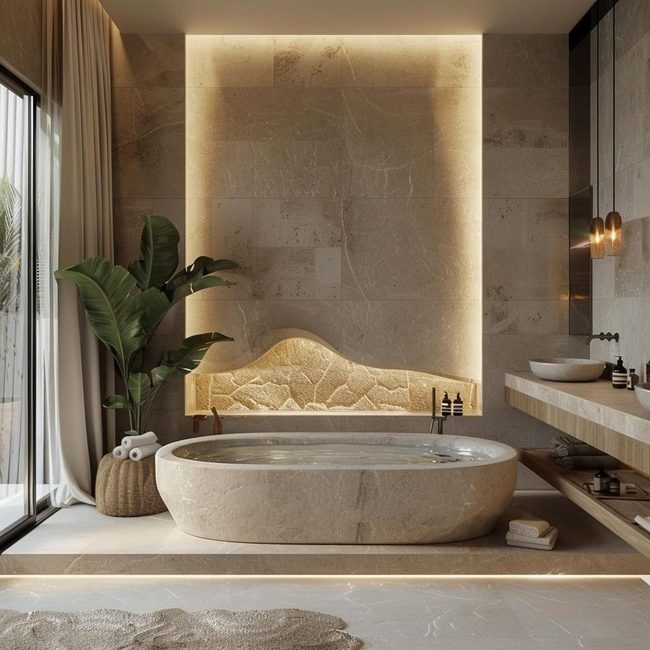
The spacious walk-in shower with frameless glass walls opens up your bathroom and brings that spa-like luxury right into your home, and you can enhance this retreat with multiple showerheads including rainfall and handheld options plus a built-in bench for added comfort.
Natural stone like marble or slate on the walls and floor deepens the zen atmosphere, while a pebble shower floor underfoot and floating shelves for plants make the space feel more grounded and peaceful.
If you can add a window or skylight above, natural light and views of the outdoors turn your daily shower into a genuine escape that connects you to nature.
Keep everything balanced by sticking with raw materials, think wood, stone, and glass, paired with greenery and plants that reinforce the calm, natural aesthetic.
By using this layout, honors Japandi's roots while giving you a personal wellness space that feels both luxurious and serene.
You don't need anything complicated here, just thoughtful choices that let the beauty of simple materials shine through and support that restorative feeling you're after every time you step in.
Gray Concrete And Natural Stone Fusion
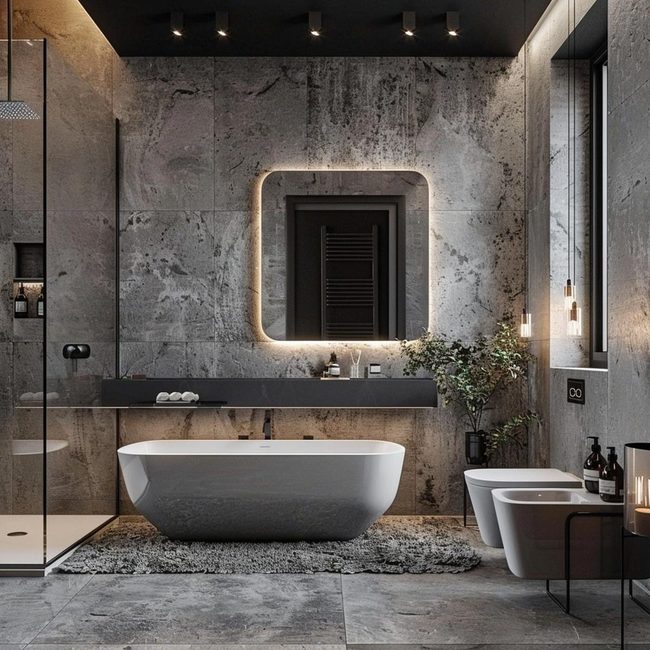
Heavy concrete and stone surfaces grab attention immediately with their raw, rugged charm and earthy character that feels grounded in nature.
You can anchor your bathroom with concrete sinks or vanities that offer a cool, modern edge, especially when you pair them with warm wood to introduce striking contrast.
Large concrete tiles work beautifully on floors or walls and bring that same natural, understated energy throughout the space.
Natural stones like marble, travertine, limestone, and slate all fit seamlessly into Japandi design, whether you choose marble herringbone mosaic tiles, a stone vessel sink, or a travertine bathtub surround.
For something more contemporary, light gray concrete offers a cleaner, softer option than typical dark concrete finishes.
Keep these stone and concrete elements restrained against neutral walls and surfaces so they stay true to the Japandi philosophy of simplicity and calm.
Lighting Teak Shelves, Open Systems
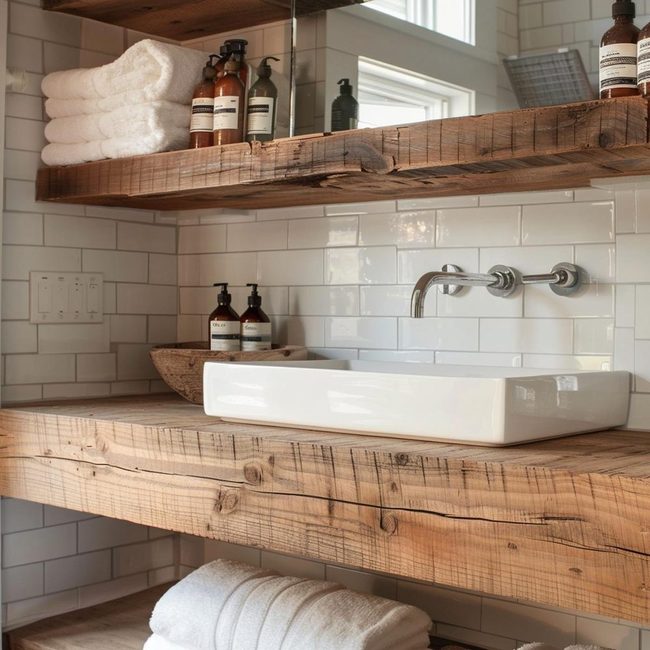
Floating wood shelves bring a natural warmth to your bathroom while keeping essentials beautifully organized and visible on display.
Light-toned woods like birch, aspen, pine, or bamboo work wonderfully for this style, and sticking with neutral stains maintains that airy, open feeling you want in the space.
You can arrange rolled towels, soaps, and small plants on these shelves and let them serve as both storage and decoration.
Since less is more with , only keep what you actually use on the shelves and tuck away extra items in cabinets or drawers.
The wood material adds organic texture and comfort to the room without competing for attention or feeling cluttered.
Your bathroom gains space-saving storage solutions while the shelves contribute to that calm, uncluttered aesthetic that makes Japandi bathrooms so peaceful and grounded.
Stone Resin Freestanding Oval Tub
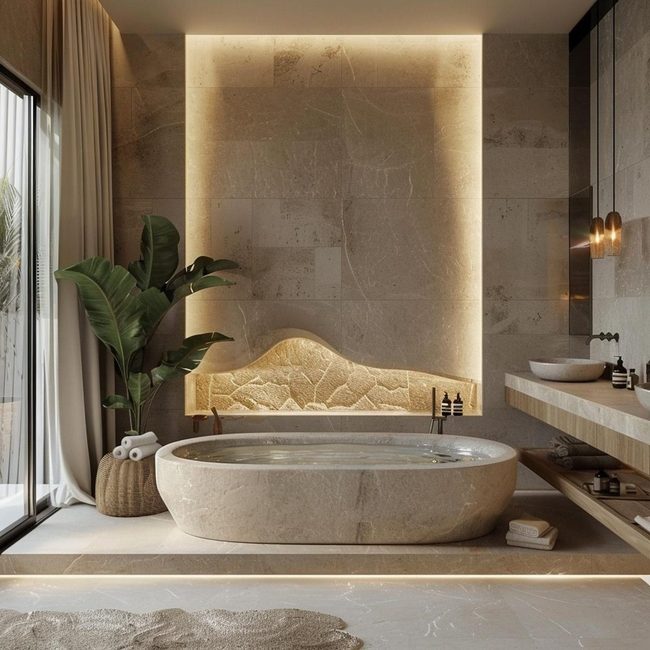
That freestanding bathtub in natural stone resin, wood composite, or ceramic stands as the most striking element in your Japandi bathroom, especially when you choose an oval or round shape that feels designed for soaking and unwinding.
Keeping the tub in neutral whites, beiges, or grays allows it to blend seamlessly with the rest of your space while still commanding attention.
Around the tub deck, we suggest arranging floating candles, natural woven trays, and small potted plants to bring a bit of the outdoors inside.
Behind the tub, displaying black and white prints or peaceful nature scenes on an accent wall adds another layer of calm without overwhelming the room.
Pairing your tub with a matte black or bronze faucet, whether wall-mounted or freestanding, keeps everything grounded in that understated Japandi style.
These touches pair naturally to make your bathroom feel less like a typical space and more like a personal retreat where you can truly relax.
Simple additions like these help shift the entire mood of the room into something spa-like and restorative.
What began as just a bathtub now sets the tone for your whole bathroom experience.
Curved Stone And Woven Accents
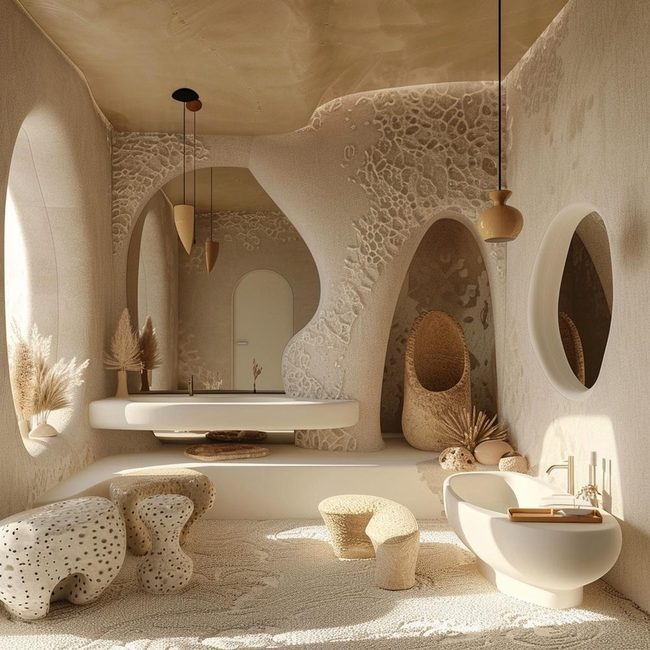
Oval mirrors and round pendant lights hanging throughout your space bring an immediate sense of natural flow that softens the room's modern edges.
Curved furniture silhouettes and circular recessed niches in the shower add those organic forms that balance out linear tiles and sharp geometry beautifully.
Stone trays, woven baskets, and geode dishes scattered throughout give the space authentic natural textures that feel grounded and real.
Shell-shaped soap dishes and other freeform accessories introduce quiet earth-inspired touches without overwhelming the design.
The key is letting them accent your space rather than dominate it, since Japandi thrives on that clean, peaceful simplicity you're aiming for.
Those curved elements work best when they punctuate your overall look rather than crowd it, keeping everything balanced and serene.
Gray Tones With Natural Walnut Warmth
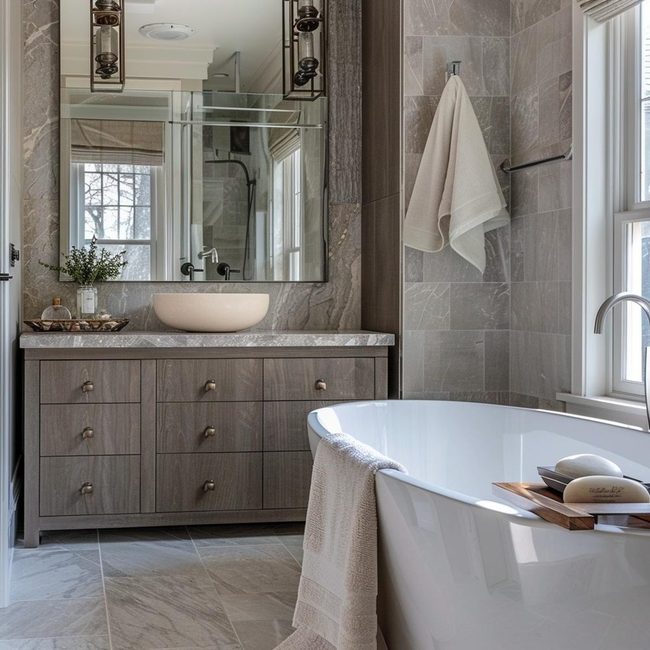
Multiple shades of gray work beautifully as your main color in a Japandi bathroom, with pale gray, driftwood gray, frosted gray, and oyster gray all offering that calm, nature-inspired foundation you're looking for.
Darker charcoal accents pop against these lighter grays and add visual interest without overwhelming the space.
Gray tile, walls, and wood pieces all contribute to the serene feeling, and matte finishes feel far more natural and grounded than shiny surfaces that tend to read as too modern or harsh.
Incorporating wood elements and greenery alongside your gray palette prevents the room from feeling cold or empty.
The key is letting those understated, neutral grays be the star while supporting them with warm textures and living touches.
This balance helps you achieve that peaceful Japandi vibe without sacrificing comfort.
When you lean into calm gray tones, your bathroom becomes a retreat rather than just a functional space.
Light Lumber Bathroom Serenity
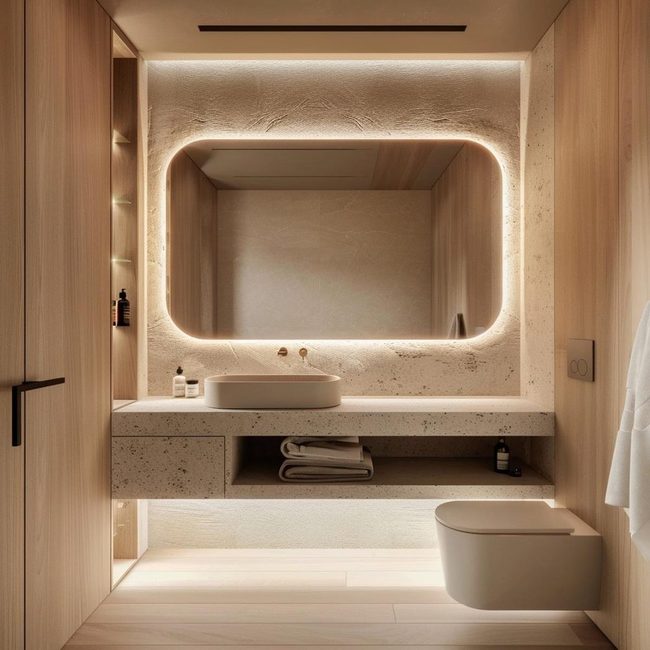
Light natural wood accents bring warmth and organic beauty to your bathroom space, and this is really the foundation of Japandi design.
Floating shelves, a wood vanity, a wooden bench, or a wood-framed mirror all work well in this style and look against white or neutral tiles.
Maple, birch, and ash provide clean, contemporary tones that feel calming without being too dark or reddish.
Add greenery on your wood surfaces with bundles of bamboo, reed diffusers, or small indoor trees to enhance that natural connection.
You may want to select wood species that handle moisture well, and applying proper sealing protects these pieces from damage over time.
Pairing light wood with the neutral colors typical of Japandi bathrooms creates a balanced, peaceful environment that feels both modern and grounded.
Alex Morgan
Founder & Head Home Stylist
Expertise
Interior Design and Space Planning, Color Theory and Eco-Friendly Practices, Traditional Art Techniques and Digital Innovation, Conceptual Development and Interdisciplinary Collaboration
Education
Otis College of Art and Design (Los Angeles, CA)
UCLA Extension (Los Angeles, CA)
Alex Morgan is the creative mind behind Nesthance, where he blends art and design to make home styling simple and inspiring. With a background in fine arts from Otis College and an interior design certificate from UCLA Extension, he brings a unique mix of creativity and practicality to every space.
From smart layouts to eco-friendly touches, Alex believes great design should be easy and accessible. Through Nesthance, he shares simple decorating ideas, DIY projects, and creative tips to help people turn their houses into homes.
When he’s not designing, Alex loves exploring LA’s flea markets, sipping coffee at local cafés, and finding fresh inspiration for his next project.