10 Quick Fixes For Gnats In The Bathroom That Work Fast

Gnats in the bathroom can turn a relaxing space into an irritating nightmare, and if you've spotted these tiny pests hovering around sinks or drains, you know how persistent they can be.
These miniature invaders thrive in the moisture-rich environment that bathrooms naturally provide, making them surprisingly difficult to eliminate once they've established themselves.
The good news is that several practical solutions exist to reclaim the comfort of a pest-free bathroom without resorting to harsh chemicals or expensive professional services.
Understanding what attracts these unwelcome visitors helps in choosing the most effective approach for elimination.
Many household items already sitting in cabinets can serve as powerful weapons against gnat infestations when applied correctly.
Success depends on combining immediate removal tactics with preventive measures that address the root causes of infestation.
The information ahead will equip you with everything needed to banish bathroom gnats for good and maintain a clean, peaceful environment.
Dry Bathroom, No Gnats
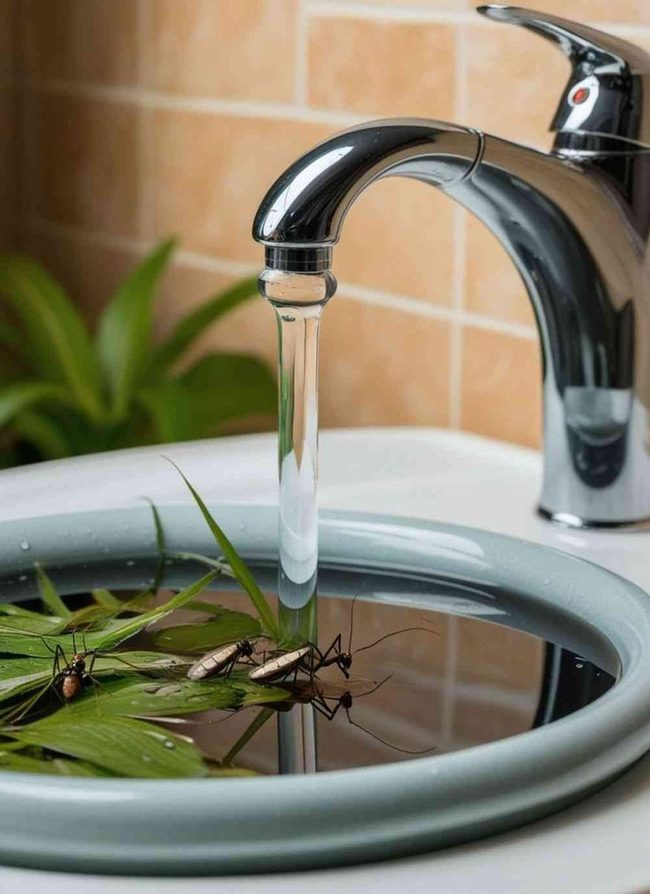
Standing water in your bathroom becomes a perfect home for gnats since they need moisture to reproduce and survive, so removing any stagnant water is one of the easiest ways to stop these pests from multiplying in the first place.
Check under your sink regularly for leaks or drips that collect in containers or on surfaces.
Empty any cups or glasses you might have left sitting around, and wipe down wet areas so they dry out completely.
Fix leaky faucets and pipes because even small amounts of water can support a gnat population.
Make sure your shower drain stays clear and doesn't hold water after you bathe.
This straightforward step alone can make a huge difference in keeping your bathroom gnat-free.
Clean Fixtures Stop Gnat Breeding
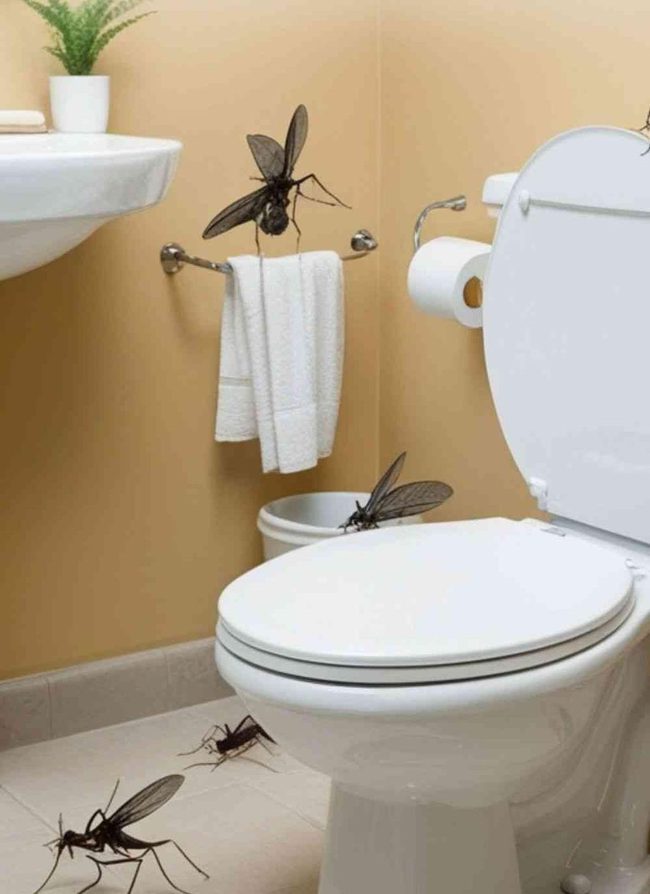
The bathroom's toilet and sink need regular attention if you want to keep gnats away, since these pests thrive in moist spaces filled with organic buildup and residue.
Gnats seek out exactly these conditions to lay eggs and reproduce, so your plumbing fixtures can quickly turn into breeding grounds when you let them sit uncleaned.
Scrubbing these areas on a routine basis removes the food sources and moisture that attract gnats in the first place.
By disrupting their breeding cycle through consistent cleaning, you make your bathroom far less appealing to these insects.
It's one of the simplest but still most powerful steps you can take to control a gnat problem.
This straightforward habit goes a long way toward keeping gnats from establishing themselves in your home.
Drain Gnats Stop Water
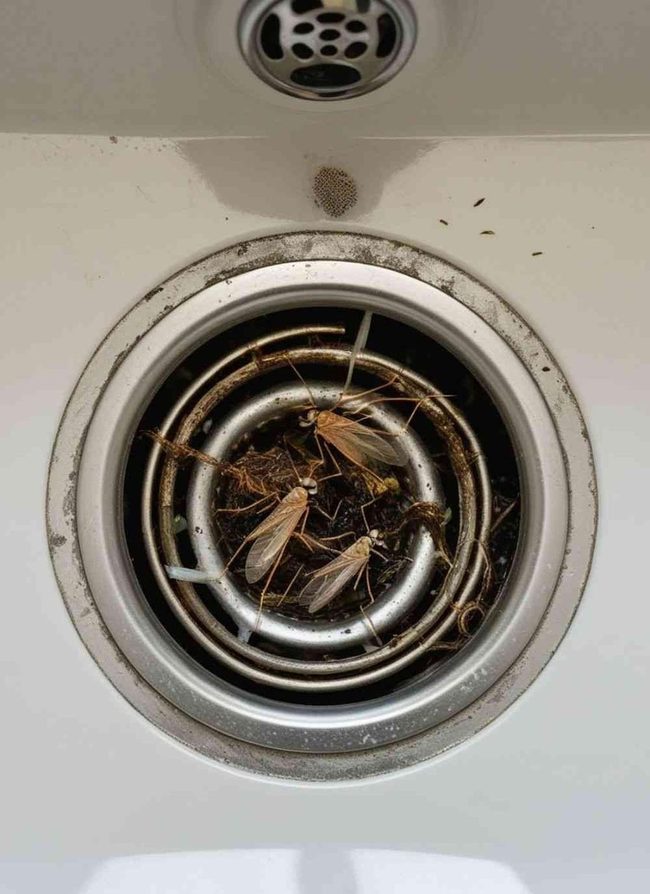
Finding where the gnats are coming from is your first move when dealing with them in the bathroom.
Gnats love damp spots that are dark and full of organic material, so you need to locate their breeding grounds to get rid of them for good.
Drains are a common culprit because standing water, soap scum, and decaying matter give gnats everything they need to multiply.
Leaky pipes or faucets build exactly the kind of wet environment gnats seek out to lay their eggs.
Stagnant water sitting in your sink, bathtub, or shower pan becomes another perfect place for them to breed.
Once you understand what draws gnats to your bathroom and where they're hiding, you can target those specific areas instead of just treating the whole room.
The key is to stop letting water pool up or stay damp for long periods.
Look around your bathroom intentionally and fix any leaks you find, drain standing water regularly, and keep surfaces dry to cut off their food and breeding sources.
Clean Drains Stop Gnats
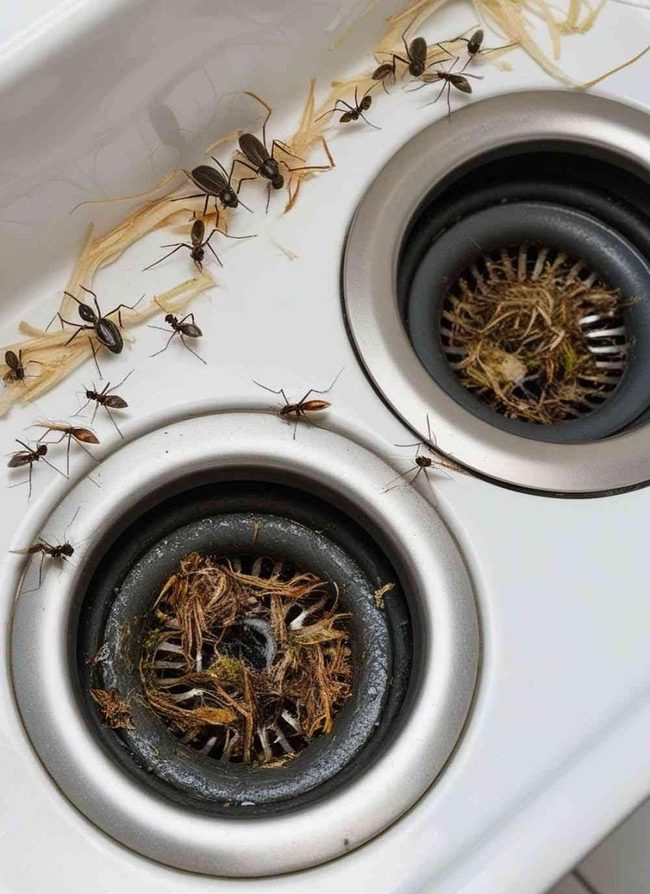
Bathroom drains rank among the top places where gnats thrive and multiply, since they collect soap scum, hair, and organic buildup that these pests feed on and breed in.
Hair and debris mix together and the perfect environment for gnats to lay eggs and develop.
If you let your drains go without cleaning, you're essentially providing gnats with an endless food supply.
Regular drain cleaning removes the gunk that gnats depend on and stops them from completing their life cycle.
Pour boiling water down your drains at least once a week to break up buildup and kill any larvae present.
You can also use a drain brush or plumbing snake to physically remove trapped debris and buildup.
Adding baking soda followed by vinegar s a fizzing action that dislodges stubborn gunk from pipe walls.
Keeping your drains clean and clear is one of the easiest ways to prevent gnat problems before they start.
Fix Leaks, Stop Gnats
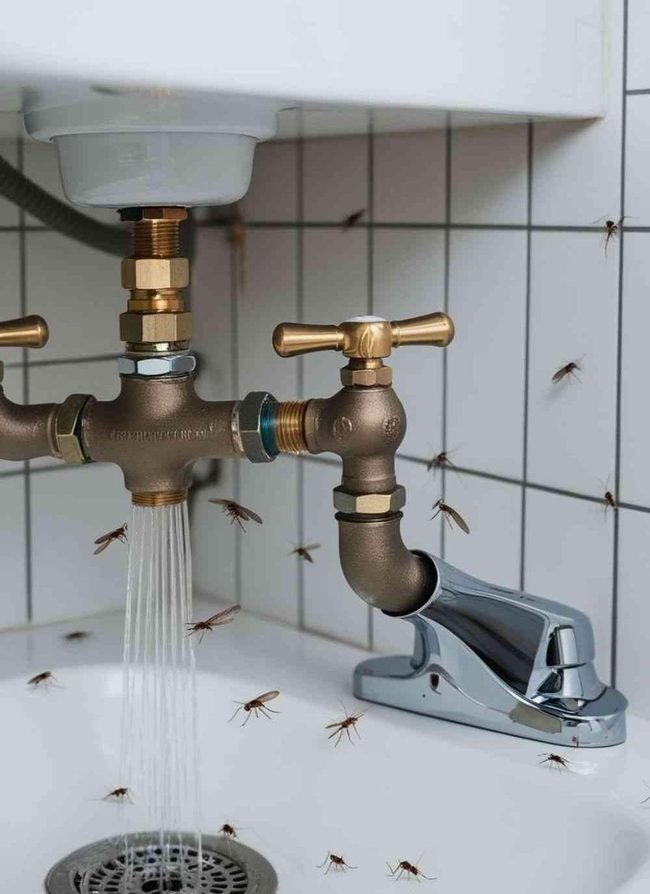
Leaky pipes and dripping faucets are one of the most obvious problems you may pick up on in a bathroom, and they do more than just annoy you with that constant dripping sound.
Moisture from broken plumbing attracts gnats and gives them the perfect place to breed and multiply.
When you fix these issues right away, you stop gnats from having anywhere to live and lay their eggs.
Beyond dealing with the gnat problem, repairing plumbing keeps water from seeping into walls and floors where it causes expensive damage.
A well-maintained bathroom stays dry and clean, which means fewer insects will want to stick around.
I recommend checking under sinks and around toilet bases regularly since these spots tend to hide small leaks.
Taking care of plumbing problems early saves you money and hassle down the road while keeping your bathroom in good working order.
Sweet Vinegar Gnat Killer
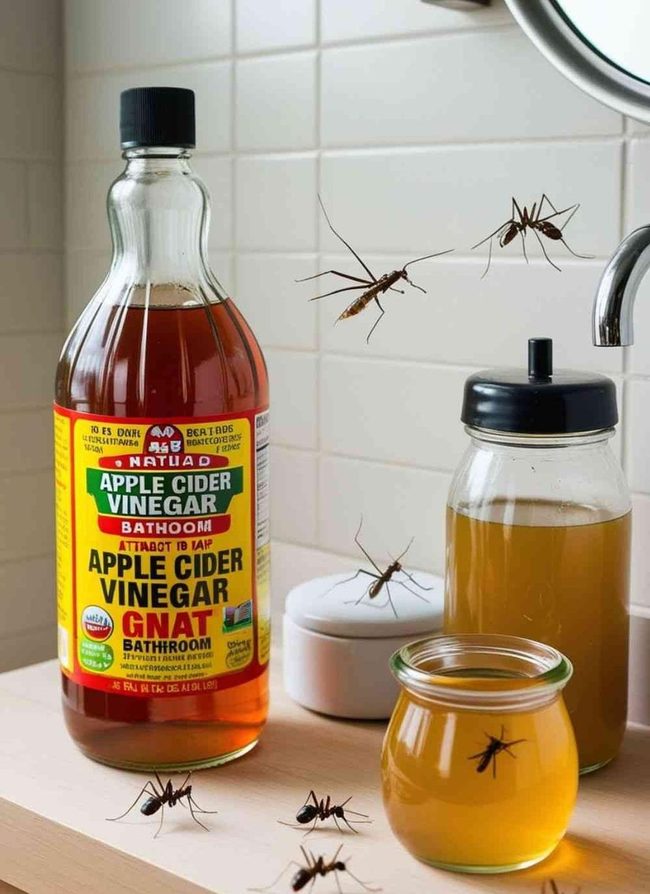
Apple cider vinegar traps offer a simple solution for getting rid of gnats in your bathroom without harsh chemicals.
Gnats love the sweet scent of apple cider vinegar and will fly right into a container filled with it, so you can set up a trap in minutes by pouring some into a small bowl or jar.
You will be amazed at how fast this method works to reduce the number of gnats flying around your space.
What makes through the design, so appealing is that it's affordable, safe for your home, and requires no special equipment or complicated steps.
Many people prefer this natural method over store-bought pesticides because it doesn't introduce toxins into your bathroom.
Within a day or two, you should spot a significant drop in gnat activity, and you can replace the mixture as needed until the problem disappears completely.
Yellow Sticky Traps For Gnats
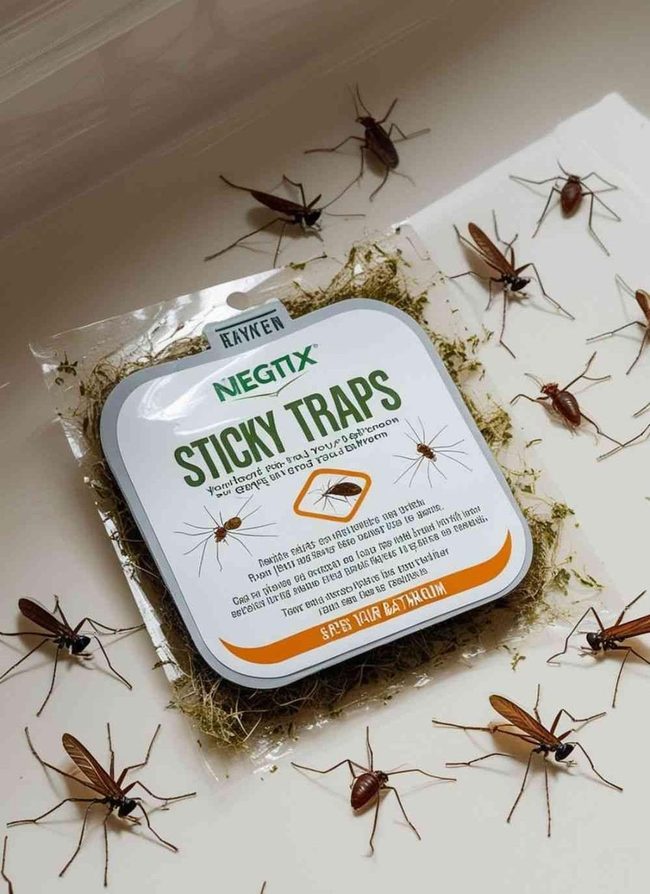
Sticky traps are one of the simplest ways to deal with gnats in your bathroom without spending much money or using harsh chemicals.
When gnats land on the adhesive surface, they get stuck and can't escape, which stops them from laying eggs and spreading further.
You can place these traps near drains, windows, or anywhere you've spotted the bugs flying around.
Because they're non-toxic, you don't have to worry about safety if you have kids or pets at home.
Most hardware stores and online retailers stock them, and they cost just a few dollars for a pack.
Within a few days, you are able to be aware of fewer gnats buzzing around as the traps do their job.
It's a hands-off method that works quietly in the background while you go about your day.
Drain Cleaning Stops Bathroom Gnats
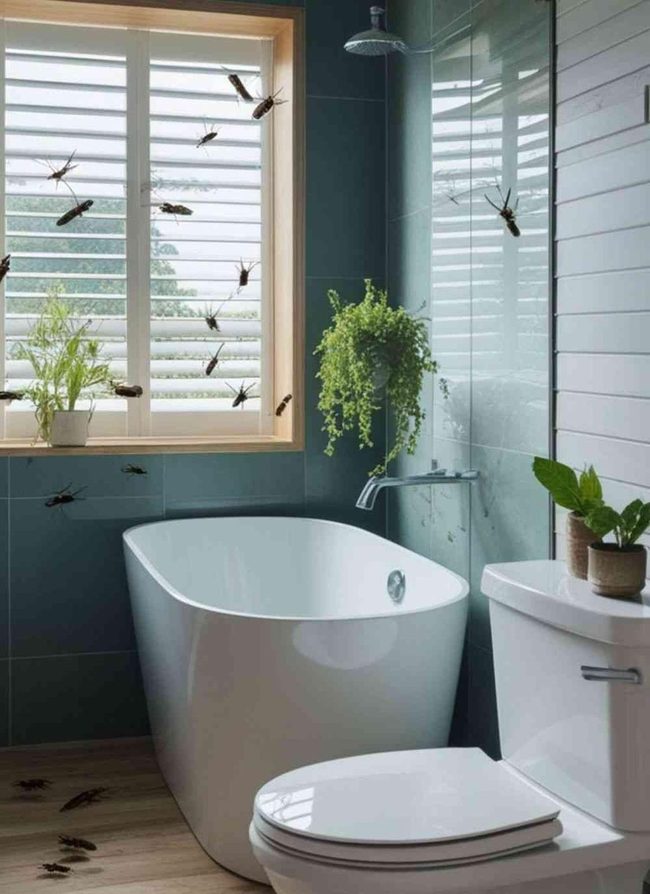
Getting gnats out of your bathroom starts with fixing the moisture problem, since these pests love damp areas and will keep coming back if humidity stays high.
Opening a window or running your exhaust fan helps dry out the space and stops gnats from having the wet conditions they need to multiply.
Dirty drains with buildup are another major breeding ground, so scrubbing them weekly with baking soda and vinegar makes a real difference.
If you set out apple cider vinegar traps or sticky traps near problem areas, you can catch adult gnats and see results pretty quickly.
Wine traps work just as well if you prefer that method since gnats are drawn to the fermented smell.
Combining good ventilation with regular cleaning and traps gives you the best shot at eliminating the problem and keeping gnats from coming back.
Wine Trap Defeats Bathroom Gnats
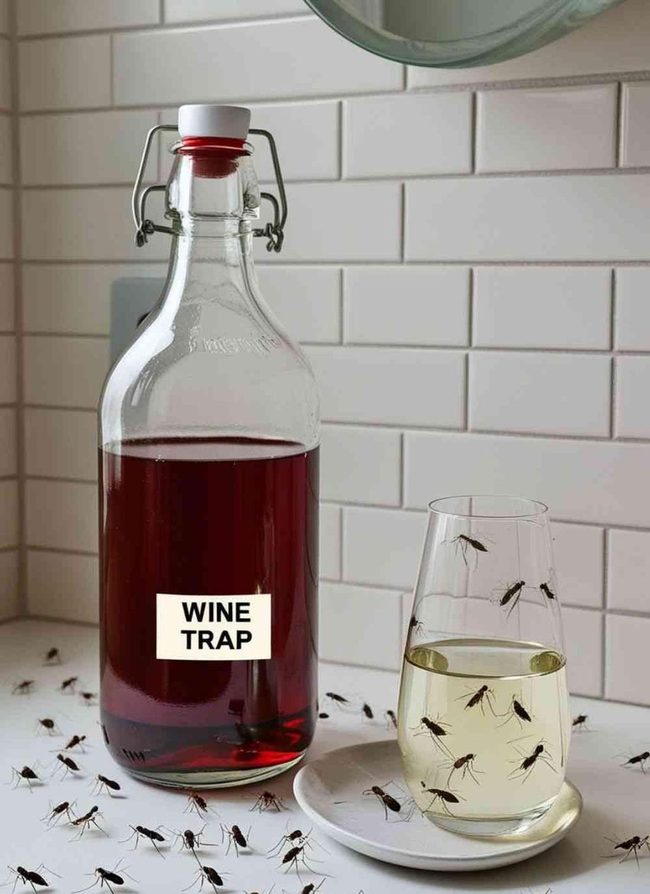
Gnats have a weakness for fermented smells, so wine serves as an excellent trap if you want to skip the apple cider vinegar route.
Setting up a wine trap works much the same way as the vinegar method and gives you another natural option for dealing with these annoying insects in your bathroom.
Pour some wine into a shallow dish or cup and add a drop of dish soap to break the surface tension.
Gnats will fly down to investigate the fermented scent and end up trapped in the liquid.
You can leave this trap sitting on your bathroom counter or shelf where you've noticed gnat activity.
It may take a day or two for results to show, but many people find by using this layout, just as effective as vinegar.
Wine traps cost very little to set up and work without any harsh chemicals.
If you have a bottle of inexpensive wine hanging around, this method gives you a built for regular use way to handle your gnat problem naturally.
Empty Trash Weekly Stops Gnats
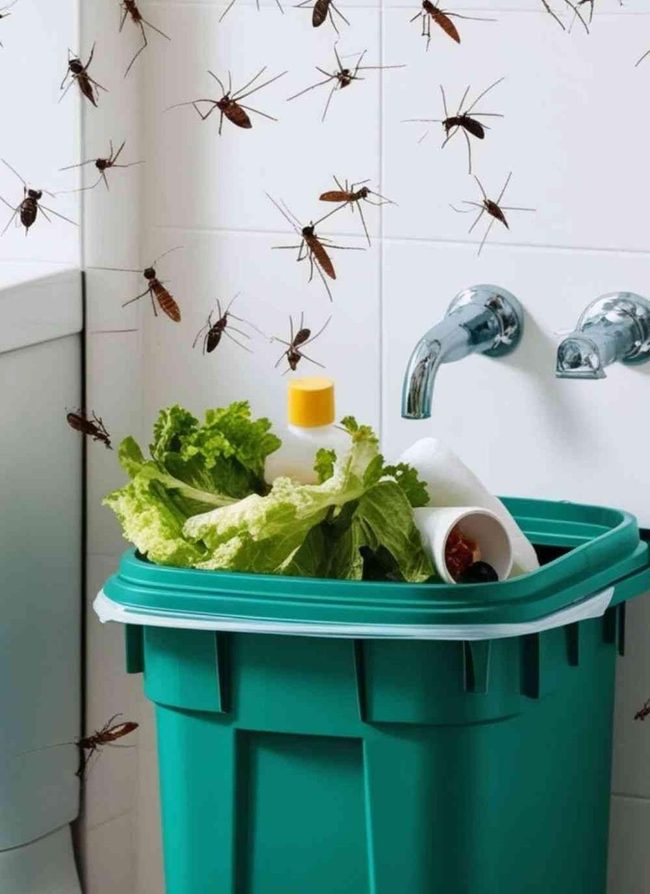
Gnats love hanging around your bathroom trash because it's packed with organic waste and food particles that smell like dinner to them.
Empty your trash frequently and you are able to remove one of their favorite breeding grounds right away.
Keeping your waste container clean and empty stops gnats from settling in and multiplying.
I've noticed this simple habit makes a real difference in bathrooms where gnats were becoming a problem.
You don't need fancy products or complicated steps, just a regular trash disposal routine.
Make it part of your weekly cleaning schedule and watch the gnat population drop noticeably.
Design choice tackles the problem at its source before gnats even get a chance to move in.
It's one of those easy fixes that saves you from dealing with a bigger infestation later on.
Alex Morgan
Founder & Head Home Stylist
Expertise
Interior Design and Space Planning, Color Theory and Eco-Friendly Practices, Traditional Art Techniques and Digital Innovation, Conceptual Development and Interdisciplinary Collaboration
Education
Otis College of Art and Design (Los Angeles, CA)
UCLA Extension (Los Angeles, CA)
Alex Morgan is the creative mind behind Nesthance, where he blends art and design to make home styling simple and inspiring. With a background in fine arts from Otis College and an interior design certificate from UCLA Extension, he brings a unique mix of creativity and practicality to every space.
From smart layouts to eco-friendly touches, Alex believes great design should be easy and accessible. Through Nesthance, he shares simple decorating ideas, DIY projects, and creative tips to help people turn their houses into homes.
When he’s not designing, Alex loves exploring LA’s flea markets, sipping coffee at local cafés, and finding fresh inspiration for his next project.