
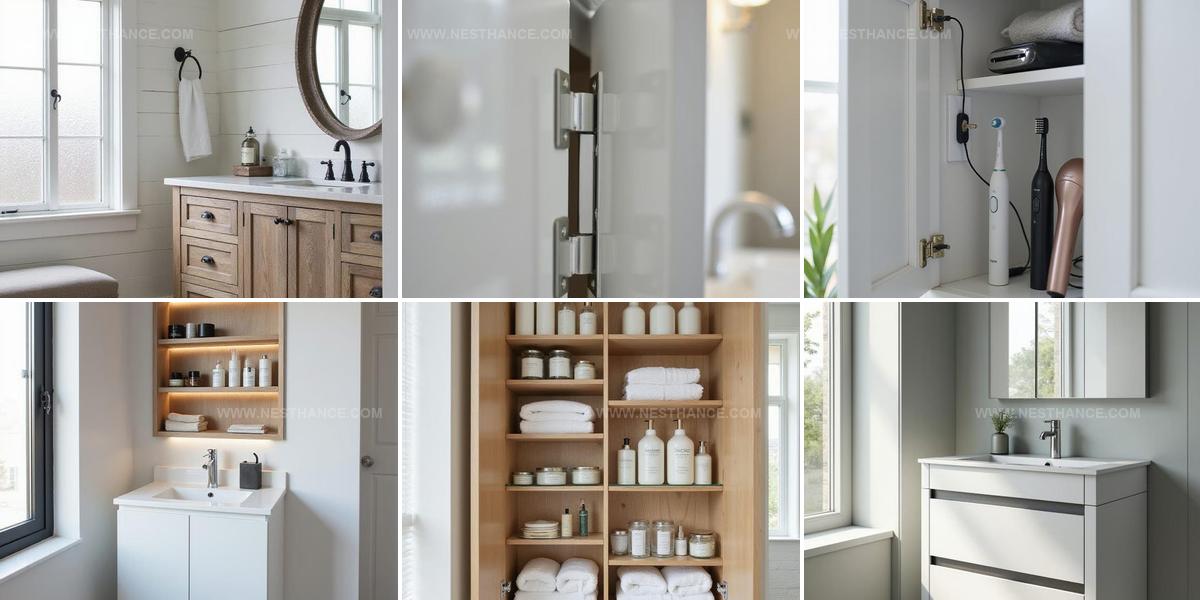
19 Smart Bathroom Cabinet Designs That Save Space

Bathroom cabinet designs can completely change how functional and beautiful the space feels when you walk in every morning.
The right cabinetry balances storage needs with aesthetic appeal, making even the smallest powder room feel organized and intentional.
Modern options range from sleek floating vanities to traditional floor-mounted units, each offering distinct advantages depending on available space and personal preference.
Materials, finishes, and hardware all play crucial roles in determining whether a cabinet complements or clashes with existing fixtures and tile work.
Smart planning around plumbing constraints and wall studs ensures installations remain secure while maximizing every inch of available room.
Finding the perfect balance between open shelving and closed storage helps maintain that clean, spa-like atmosphere many homeowners crave.
With so many styles and configurations available, making informed choices becomes much easier once you understand what works best for different layouts and lifestyles.
Bamboo Drawer Dividers For Organized Gems
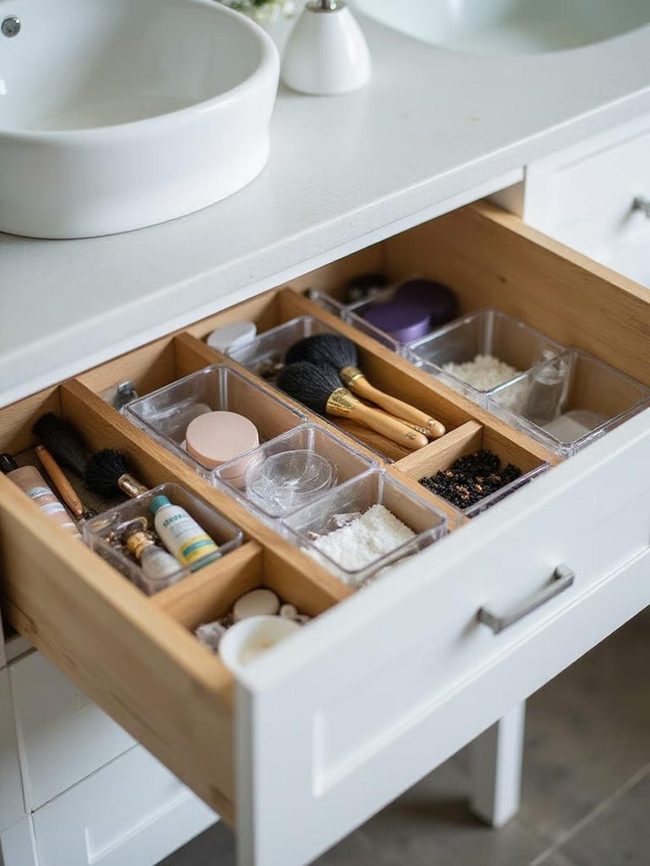
Interior drawer organizers transform chaotic spaces into functional storage systems where everything has its designated spot.
Open your drawer and instead of items tumbling around in a jumbled mess, you could find your makeup, contact lenses, and cotton swabs neatly separated and easy to locate.
Modular, expandable organizers work better than basic plastic trays because you can arrange them like puzzle pieces to fit your drawer's exact dimensions and your specific items.
Bamboo or clear acrylic trays in different sizes let you customize the layout and see what you have at a glance.
One makeup artist I know organized her products by function, prep supplies in one section, foundation in another, eyes and lips in their own spaces, and she cut her morning routine by almost ten minutes just by knowing exactly where everything lives.
When you set up these organizers thoughtfully, reaching for what you need becomes second nature instead of a frustrating hunt through a jumbled mess.
Small items stay protected and separated rather than getting lost or damaged from sliding around.
This simple addition to your drawers saves time daily and keeps your space looking organized and put-together.
Dry Cloth Protects Cabinet Finish
Just as you wouldn't leave a finished painting exposed to the elements, your bathroom cabinets deserve the same care and attention after installation.
Moisture and harsh chemical cleaners are the primary threats to cabinet longevity, so the key is simple: wipe away water splashes right away using a , dry cloth, since water sitting on surfaces will eventually seep into seams and damage the finish.
For routine cleaning, skip those strong chemical sprays and instead use a , damp microfiber cloth with just a drop of mild dish soap, then immediately dry everything with a separate clean cloth.
One user-friendly habit that makes all the difference is running your exhaust fan during showers and for about fifteen to twenty minutes afterward, and this single action reduces humidity in the room far more effectively than any other maintenance step.
Lower moisture levels protect your cabinets from water damage, keep mildew at bay, and help them maintain their appearance over time.
You don't need expensive products or complicated routines to keep cabinets in great condition, and consistency matters more than complexity.
Waterproof Plywood Bathroom Cabinet Foundation
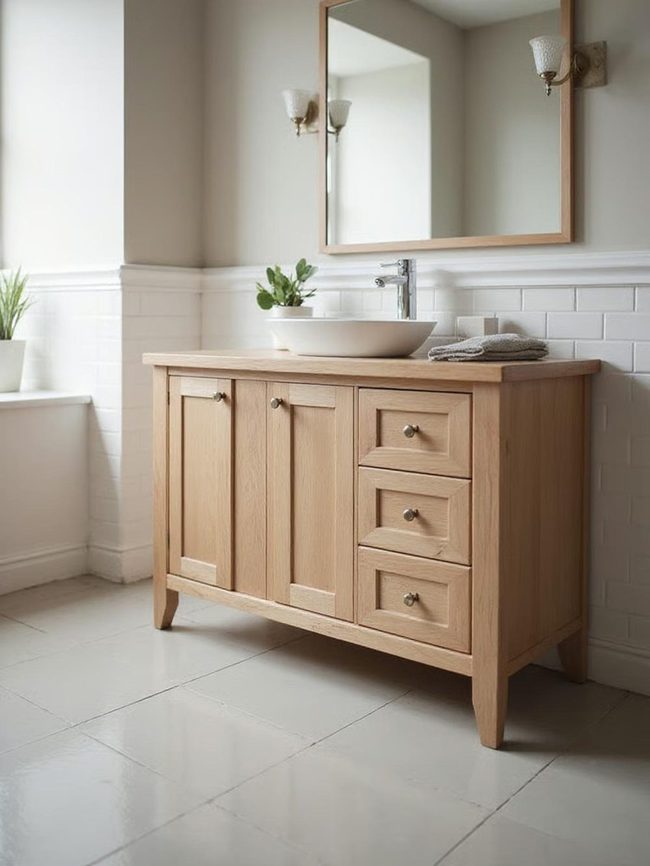
Bathrooms generate constant moisture and splashing, so choosing materials that can withstand these conditions is essential and shouldn't be overlooked.
Standard MDF cabinets, the kind used in budget office furniture, absorb water and break down into a mushy mess within just a few years, which wastes your money and effort.
Don't believe claims that a good coat of paint will protect non-water-resistant materials because moisture seeps into seams and unpainted edges regardless of surface treatment.
Marine-grade plywood holds up beautifully against humidity, PVC resists water damage almost completely, and high-quality moisture-resistant MDF offers another solid option for your cabinets.
What matters most is starting with a strong core material as your first defense, then adding a protective finish as your second layer.
Skipping these durable choices means you will need to replace your cabinets every few years, so it's worth investing in quality from the start.
Once you've selected tough materials that can handle the bathroom environment, you will have a solid foundation and can focus on making the space look great.
Adjustable Pegged Shelves System
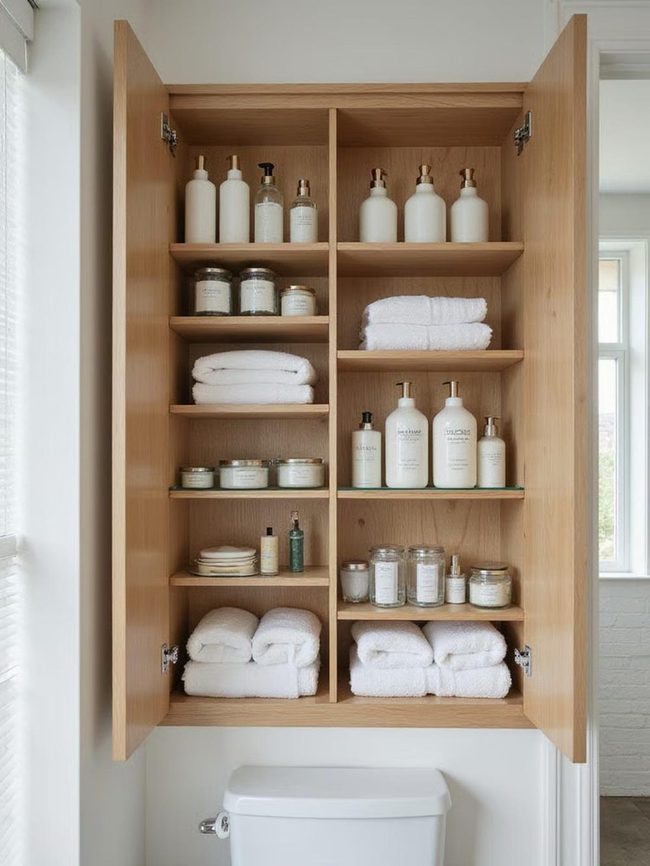
Shelves lined with peg holes are genuinely beautiful to look at and incredibly adaptable to different needs at the same time.
You get to move shelves up or down in tiny increments, which means you can customize the space perfectly for whatever you own right now.
Tomorrow, when you change products, you can adjust your shelves in just minutes and make room for something new.
This simple feature eliminates that awkward wasted space above shorter items and ensures every vertical inch of your cabinet works hard for you.
Fixed shelves dictate what you can buy and how you store it, but adjustable ones give you back that power.
We all know the frustration of buying a new economy-sized bottle that's a quarter-inch too tall to fit on the shelf.
When you have flexibility built into your storage, you're not forced to choose between products based on their height.
Adjustable shelves represent functional, future-proof design that grows and changes with your actual needs.
Natural Flow Bathroom Hacks Layout
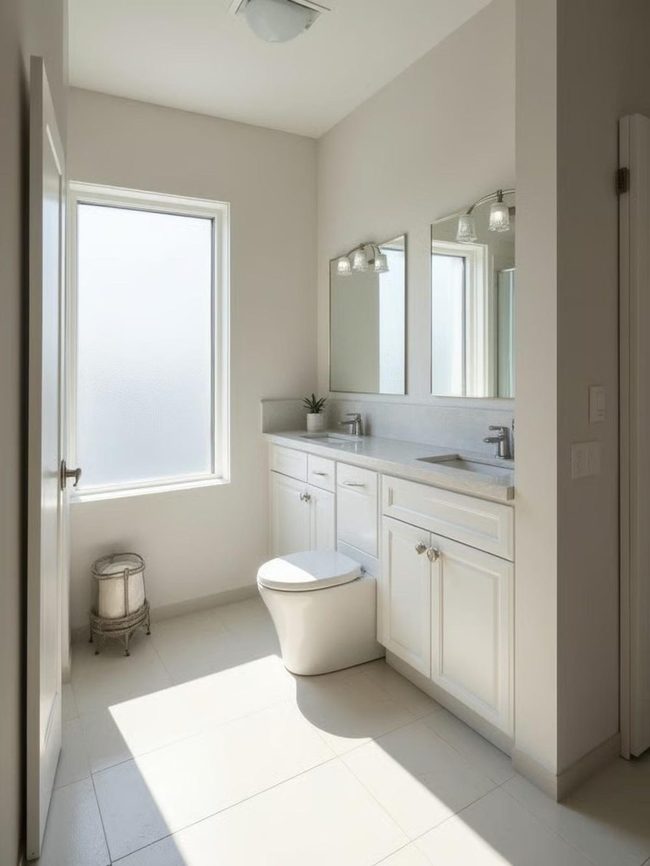
Bathroom has its own natural rhythm, with movement flowing from the door to the sink, then to the toilet, and finally to the shower, so cabinets and drawers need to fit into these pathways without disrupting them.
Poorly positioned storage becomes a constant obstacle, interrupting your daily routines and making the space feel cramped.
You don't need to fill every inch of wall space with cabinets, and leaving some breathing room actually makes things feel better.
Before you install anything, grab some painter's tape and mark out where your cabinets would go on the floor.
Cut cardboard to match the cabinet dimensions and position the pieces in your marked spaces.
Walk through the room like you normally would, opening those cardboard "doors" to see how they function.
Go through your actual routines, drying your hair, helping someone brush their teeth, to test if the layout works.
If something feels tight or awkward during this test run, fix it now with tape rather than dealing with installation mistakes later.
Deep Drawers Organize Small Bathroom Items
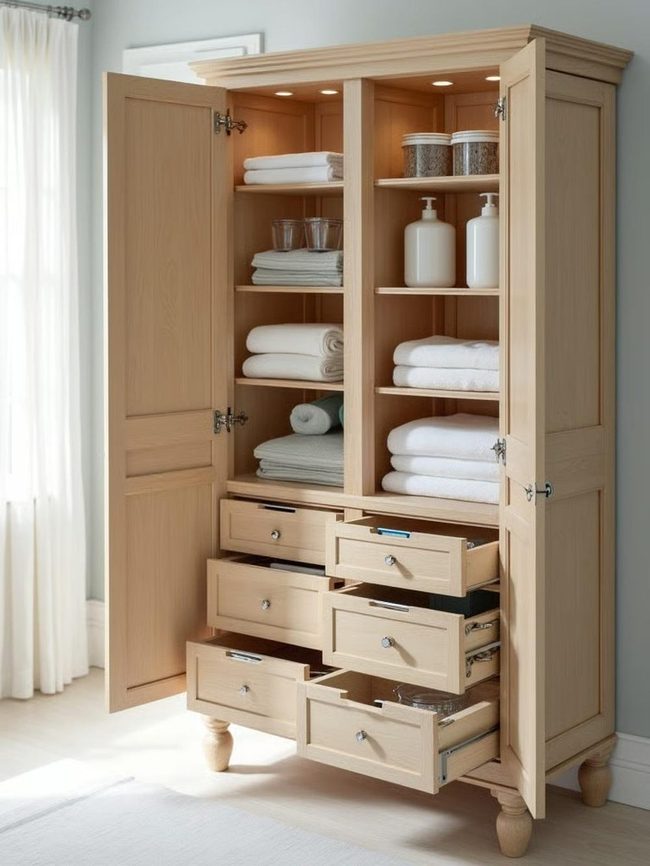
Before you buy any bathroom cabinet, pull everything out of your current storage and spread it across the floor so you can see what you're actually working with.
Take a real look at your collection and think about what actually needs a home.
If you have tons of small makeup containers, a single deep drawer will frustrate you constantly.
Someone who stocks jumbo shampoo bottles needs tall vertical space instead.
You can't plan storage around items you haven't thought through.
I once watched a couple purchase a gorgeous vanity with pared-back, thin drawers only to discover their electric toothbrushes and hair tools had nowhere to fit, which left their counters messy and crowded.
Start by organizing your items into groups based on their size and how often you use them.
Daily essentials should sit within easy reach, while monthly-use products can live on higher shelves or toward the back.
Your cabinet should work around your actual stuff, not force your stuff to squeeze into a space that doesn't fit.
Once you understand what goes inside, you can think about how you are able to move around the cabinet and access everything comfortably.
Clear Mirror With Built-In Heating Pad
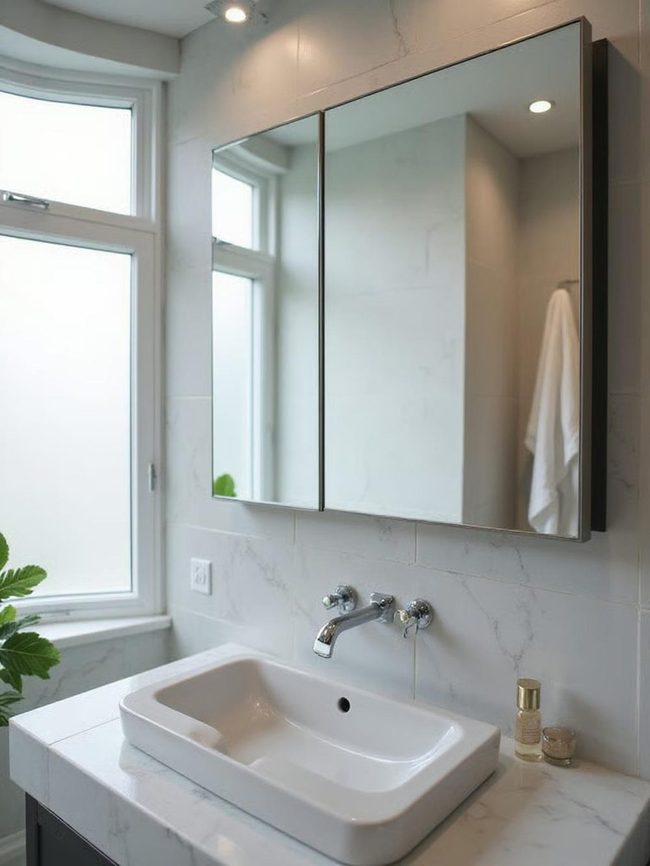
Stepping out of a hot shower only to face a completely fogged-up mirror is one of those daily frustrations that most people just accept as inevitable, but anti-fog mirrors with built-in heating pads eliminate this annoyance entirely.
You won't have to wipe away streaks or wait for the condensation to clear because the gentle warmth keeps the glass perfectly clear no matter how steamy your bathroom gets.
Once you experience a clear mirror every single time you shower, you are able to wonder how you ever managed without it.
This feature feels like a luxury hotel detail, but it's actually easy to maintain and makes your morning routine smoother.
Maintaining the mirror requires minimal effort, and a quick wipe-down now and then keeps it in perfect condition.
What seems like a small upgrade delivers real convenience to your daily life.
Hidden Outlet Bathroom Organization
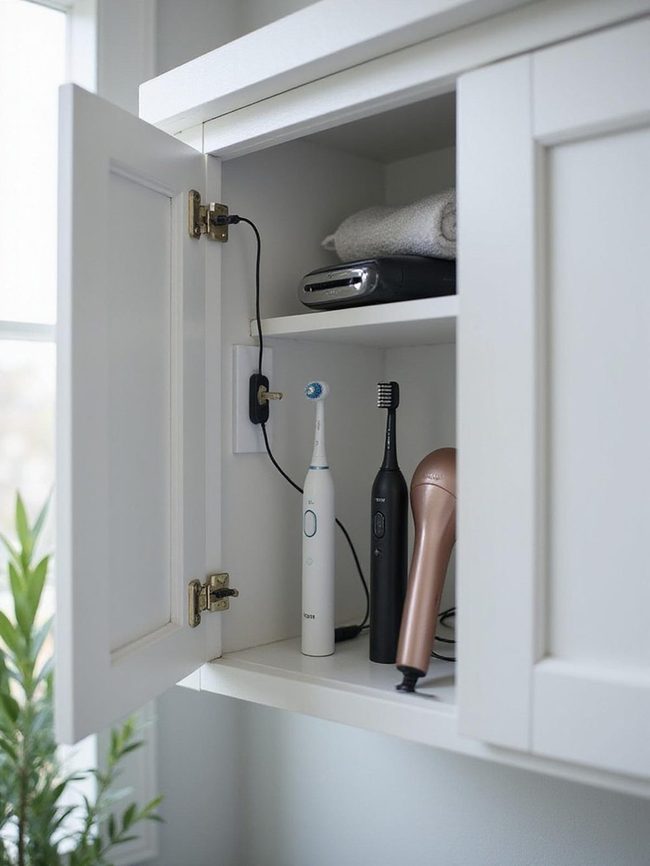
Keeping your countertop free from tangled cords and charging cables elevates the space from cluttered to calm, and tucking a power outlet inside your medicine cabinet or vanity drawer solves this problem beautifully.
Your toothbrush, razor, and water flosser can all stay charged and hidden away, ready whenever you need them without creating visual clutter.
However, this upgrade must be handled by a licensed electrician since you're working with electricity in a wet bathroom environment.
Safety codes require GFCI-protected outlets to prevent hazards, and specialized drawer outlet kits are available with built-in safety features that stop overheating before it starts.
Installing these outlets correctly protects your family while keeping your daily routine running smoothly.
Your devices stay charged and ready, and your countertop stays clean.
Wall-Built Setups Saves Floor Space
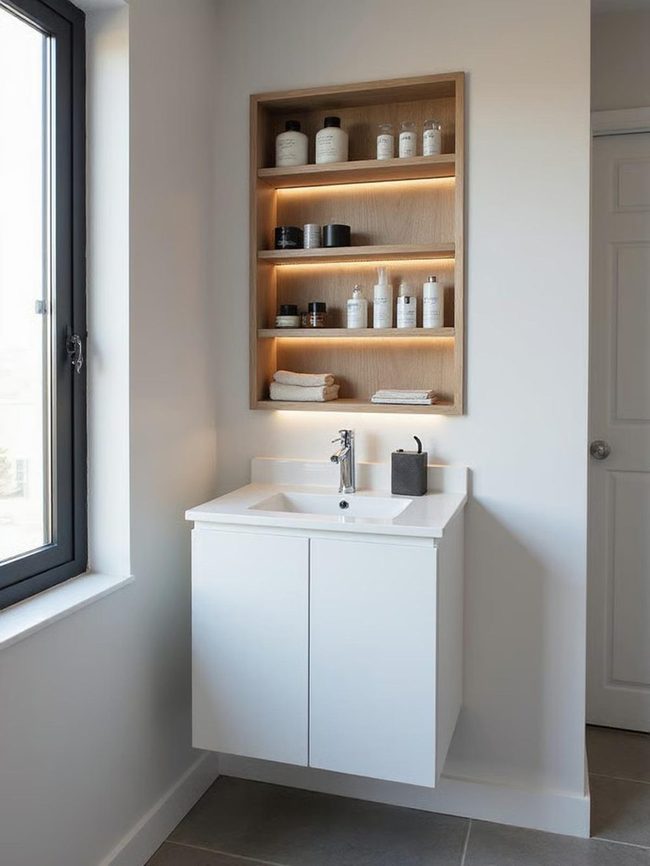
Built into the wall itself, recessed cabinets tap into that empty 3.5 inches of space sitting between studs and offer you storage without eating up precious floor room in small bathrooms.
I recently designed a tiny 4×6 foot powder room where a standard over-the-toilet cabinet would have made everything feel cramped, so we installed a tall, shallow recessed cabinet right into the wall that held toilet paper and soaps while making the space feel twice as large.
Setup solves the problem most small bathrooms face: you need storage but can't afford to lose even a single square inch to a bulky cabinet sticking out into the room.
All you have to do is grab a stud finder to locate the empty bays, though you are able to want to check for hidden pipes or wiring before cutting into anything.
When building into the wall isn't possible, slim cabinets still work well and take up far less room than standard options.
If you're working with tight quarters, recessed storage gives you the same function as a medicine cabinet without any of the visual or physical footprint.
Bathroom Cabinet Drawers Maximize Accessibility
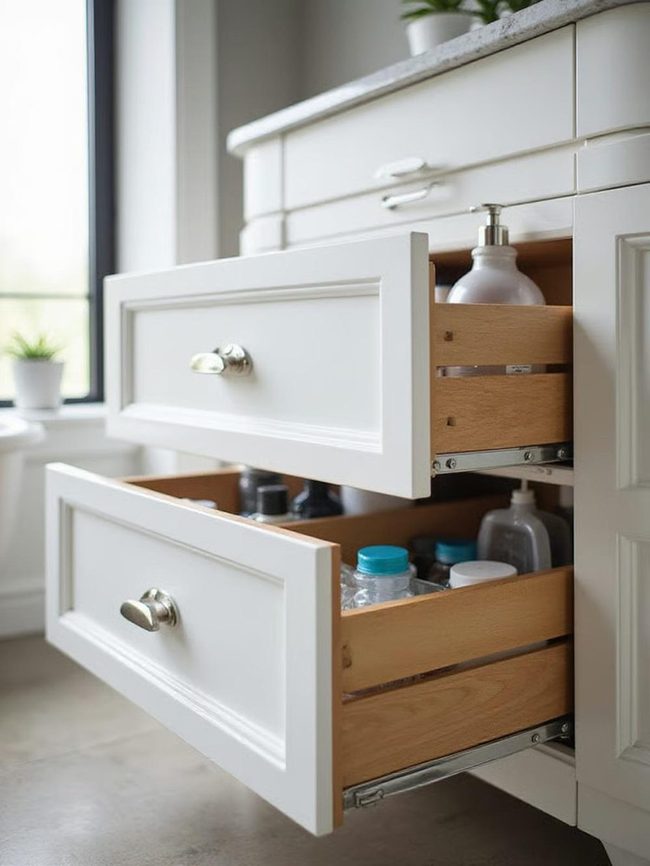
Instead of letting products disappear into that dark, unreachable space at the back of your under-sink cabinet, pull-out drawers bring everything within arm's reach and make your life so much easier.
You know that frustrating moment when you have to crouch down and grope around in the shadows just to find a single bottle of cleaner?
Pull-out systems eliminate that completely.
One smooth tug slides the entire drawer out, and suddenly every item you stored is visible and accessible.
This matters even more if you struggle with your back and want to avoid uncomfortable bending.
Most people assume these are expensive luxury upgrades, but that's simply not true.
Home improvement stores carry affordable retrofit systems that fit right into your existing cabinets, and a U-shaped pull-out designed to work around your plumbing pipes is worth every penny.
Once you install one, that awkward, messy space reshapes into the most useful storage area in your entire bathroom vanity, and you can never look back.
Slim Cabinets Maximize Bathroom Gaps
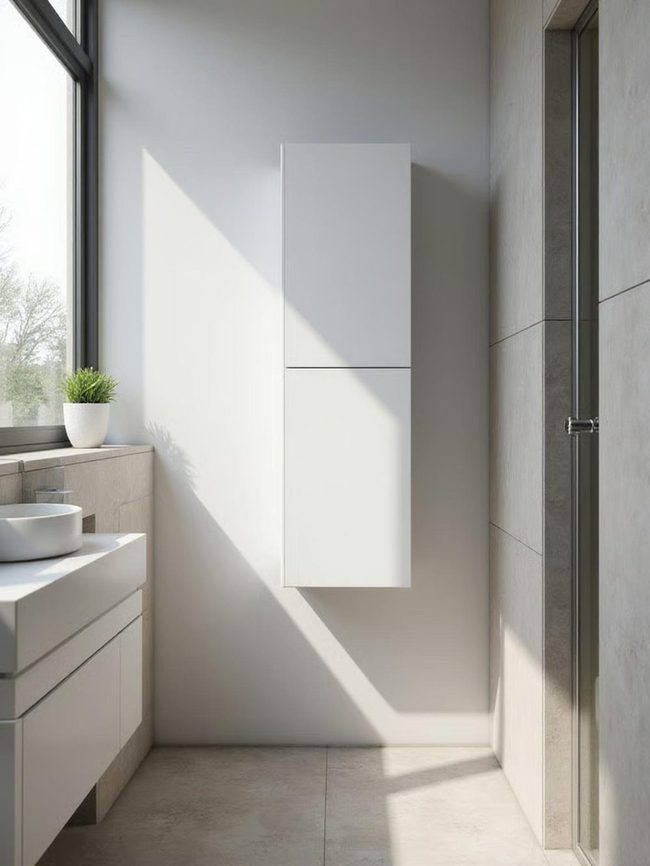
Those narrow, awkward strips of wall space beside your toilet or wedged between the door and shower don't have to stay empty and useless, slimline cabinets transform them into smart storage spots that actually work.
Designed to fit snugly into tight corners, these shallow units measure just 4 or 5 inches deep and hold everything from toiletries to medicine bottles and rolled hand towels with ease.
You can choose tall tower cabinets that stretch from floor to ceiling and give you tons of vertical space, or grab pull-out pantry-style versions that let you reach items without any digging around.
One simple example shows the real possibility: a 6-inch gap next to a vanity became a complete pull-out grooming station and solved the whole storage puzzle.
What looks like wasted space is really just waiting for the right solution, and sometimes all you need is a bit of creative thinking to unlock it.
When standard options don't quite fit your needs, custom cabinets step in and solve the problem perfectly for your specific space.
Budget-Driven Cabinet Selection Strategy
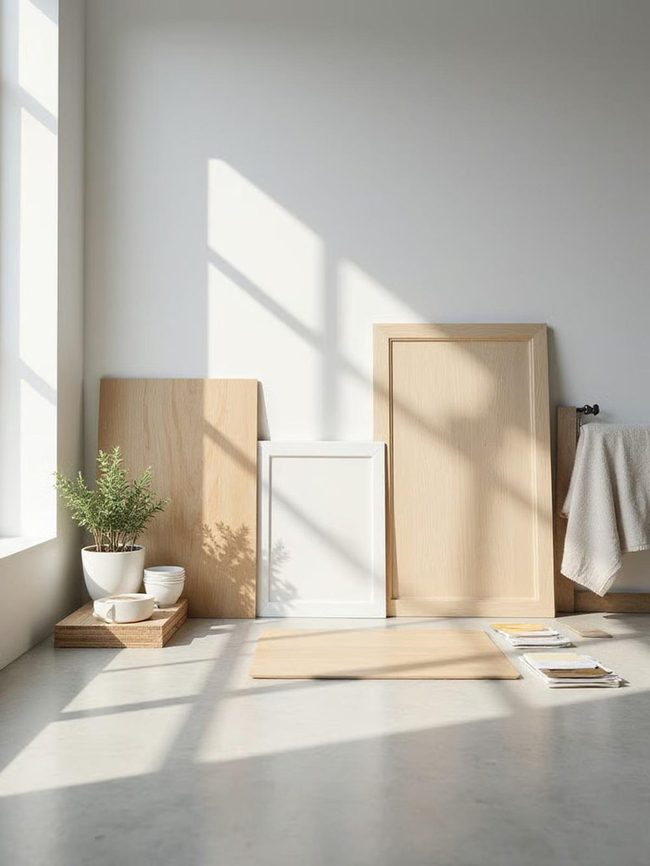
Setting a realistic budget early on might feel like you're putting limits on creativity, but honestly, it's quite the opposite, money talks when it comes to cabinetry, and being clear about what you can spend actually helps you make better choices.
Many people fall into the trap of dreaming up custom, solid-walnut designs while working with a stock, flat-pack budget, and that mismatch leads nowhere good.
Start by looking into what stock, semi-custom, and fully custom cabinets actually cost in your area.
Be honest with yourself about your spending power and add a 15-20% cushion for surprises because they always pop up.
Once you know your number, you can ask yourself the tough questions: do you really need solid wood construction, or can you get a beautiful MDF box with solid wood doors and excellent hardware at a much lower price?
Setting boundaries around money forces you to prioritize what matters most and spend your dollars where they count, which ends up being way more creative than having unlimited funds and no direction.
Now that your budget is locked in, it's time to get real about what you actually own and need to store.
Angled Walls Into Perfect Finds
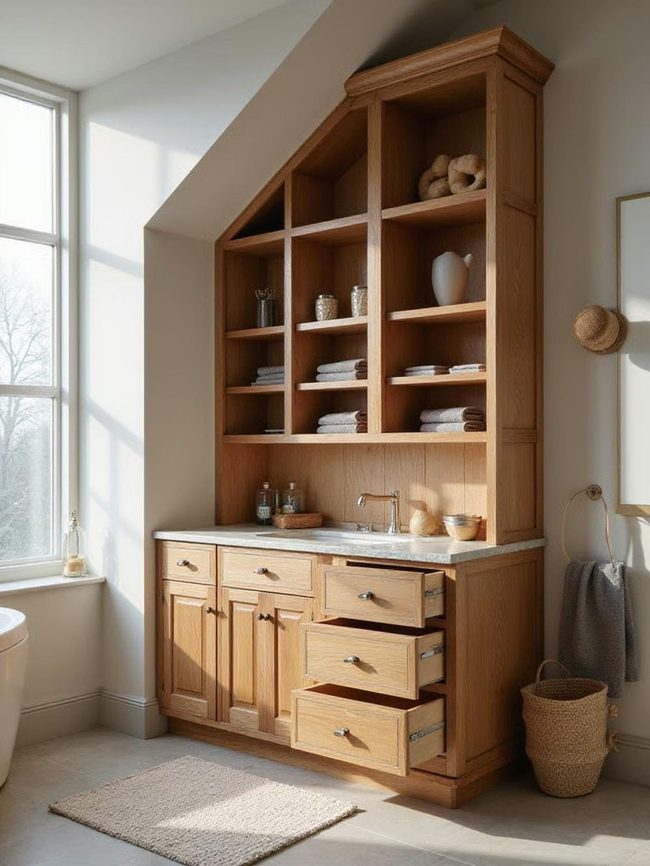
Custom built-ins offer a smart solution for homes with unusual layouts, think attic bathrooms with sloped ceilings or the oddly shaped nooks found in older houses.
Rather than feeling frustrated by quirky architecture, you can work with it and let a skilled cabinet maker turn that awkward corner into functional storage art.
Slanted walls become a series of neatly stepped drawers, and cramped spaces transform into deep, built-in shelves that fit perfectly.
Yes, custom work costs more money upfront, but the value is real because you get a one-of-a-kind design that uses every available inch in your room.
Stock cabinets simply can't match what a professional can achieve when building directly into your space.
We once tackled an attic bathroom where drawers and cabinets fit snugly into the knee wall beneath the eaves, and what had been completely wasted space suddenly became an entire wall of seamless storage.
That single project basically doubled how much stuff the room could hold and how well it functioned overall.
Your space gets tailored solutions instead of settling for something off-the-shelf that never quite fits right.
Open Shelving Breaks Dense Cabinetry
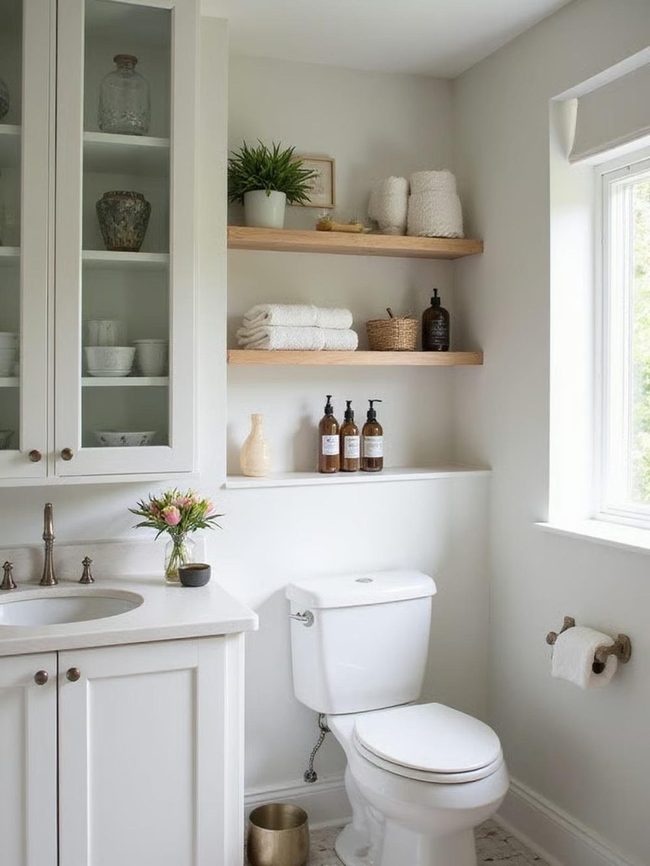
Solid cabinets from wall to wall can feel weighty and overwhelming, especially in a small bathroom, so breaking them up with open shelving or glass-front doors lightens the whole space and keeps things from looking too dense.
You get to treat these open areas like a mini-gallery where you can showcase beautiful towels, a vintage bottle, a small plant, or your nicest products.
Open shelving does require some honesty though, it really only works if you display things that actually look good, not half-empty bottles or random bobby pins shoved together.
Most people think they can just toss whatever on there and it will feel naturally polished, but that's not how it works.
Here's a useful rule that makes life easier: keep 80 percent of your stuff hidden behind solid doors and let only the beautiful, organized 20 percent sit out in the open.
This balance gives you both the storage space you need out of sight and a hint of styled beauty where people can see it.
By mixing open and closed storage this way, you get the benefits of both without the mess.
Silent Cabinet Closure Hardware
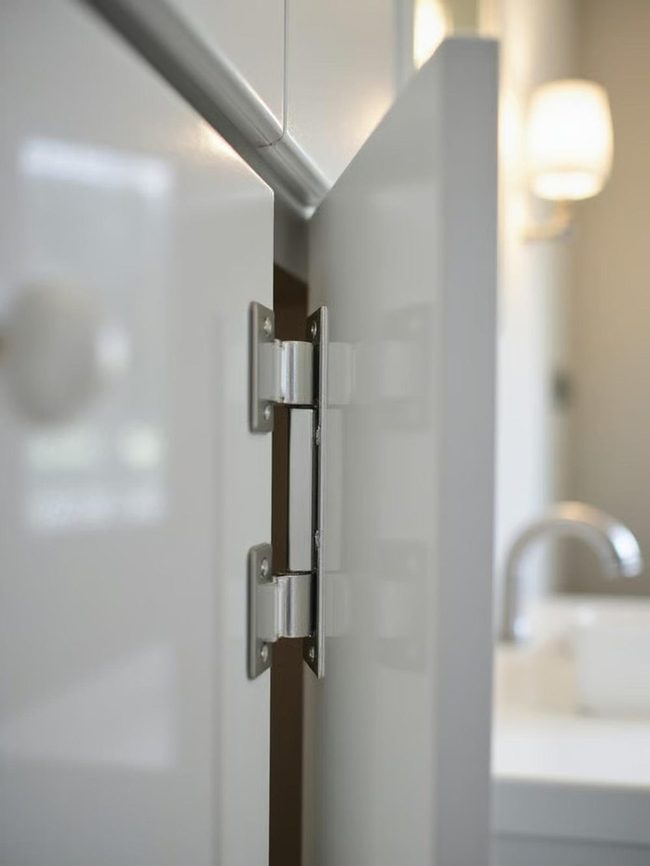
Loud cabinet doors slamming shut add harsh, jarring sounds that instantly ruin any peaceful space you've worked hard to build, and muted-close hinges solve this problem with a simple, affordable fix that makes you wonder why every cabinet doesn't have them.
These hinges catch your doors in their final inches and guide them down smoothly without a sound, so you get that satisfying quiet close every single time you use them.
Beyond just the pleasant silence, muted-close mechanisms actually protect your cabinets by reducing the stress and wear that constant slamming causes to hinges and frames over time.
Most quality cabinets come equipped with these from the factory now, but if yours don't, you can easily add them to existing doors without much trouble or expense.
Many people also pair muted-close hinges with muted-close drawer slides for a fully quiet kitchen experience where everything operates with gentle, silent precision.
Once you experience this level of smoothness in your daily routine, going back to noisy cabinets feels impossible.
If you want to extend this calm operation throughout your entire kitchen, matching drawer slides give you that same buttery-smooth action on every pull and push.
Freestanding Versus Wall-Mounted Vanities
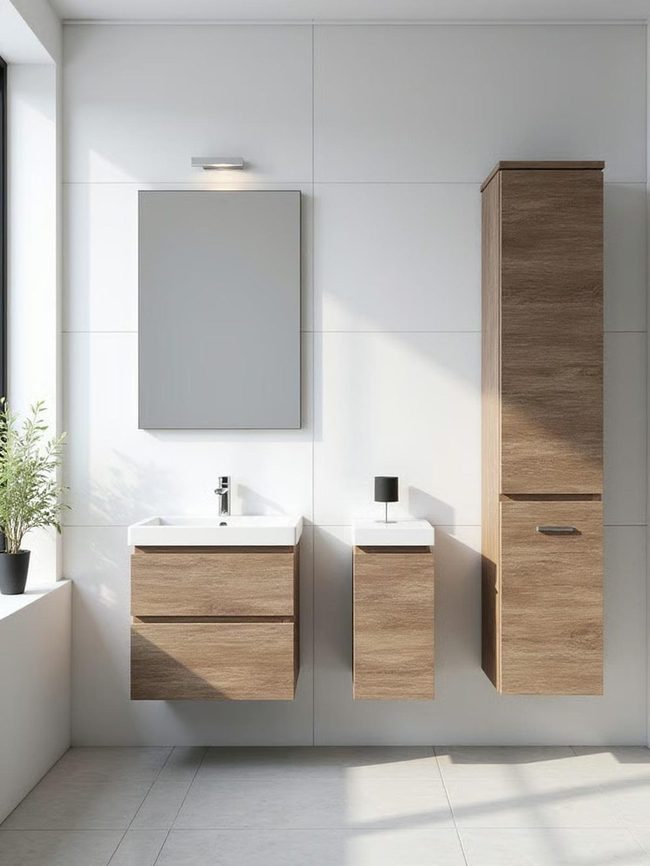
Deciding between wall-mounted and freestanding vanities comes down to how you want the piece to sit in your space and what feeling you're after.
Freestanding vanities work like furniture sculptures, they anchor the room with solid presence and character, offering deep storage and making a real design statement.
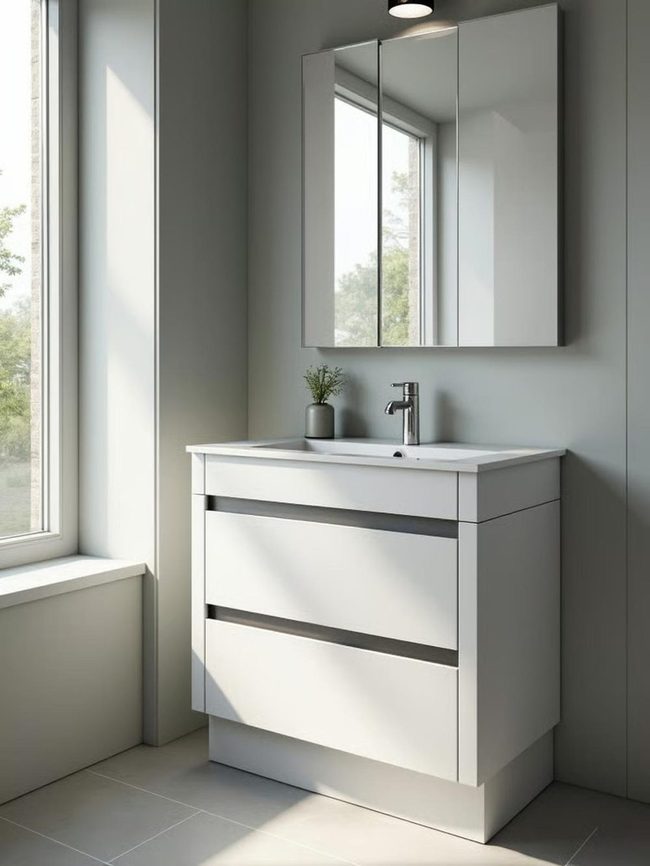
Wall-mounted vanities, on the other hand, do something clever with space by lifting the cabinet off the floor, which lets your eye see down to the ground and makes rooms feel larger and more open.
Floating cabinets also make cleaning underneath effortless, which is a functional bonus nobody minds.
Both styles have their strengths, and picking one isn't about which is objectively better but rather what fits your layout, your storage needs, and the atmosphere you want in your bathroom.
Small spaces often benefit from the airy feeling that wall-mounted options provide, while larger bathrooms can handle the grounded weight of a freestanding piece.
Once you've figured out which direction makes sense for your room, it's worth thinking about what these options might cost you.
Flat-Panel Doors Modern Bathroom Foundation
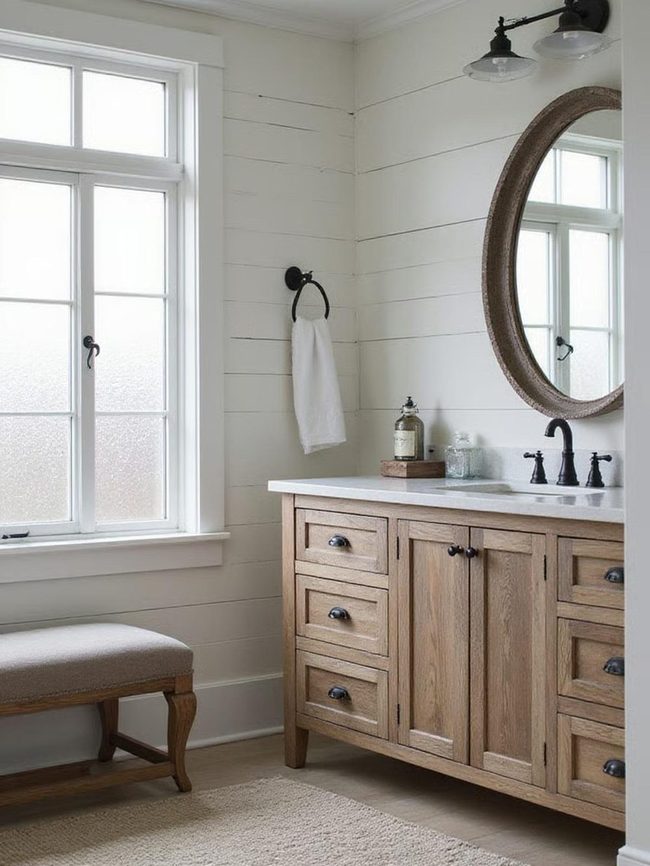
Cabinet style serves as the foundation for your entire bathroom design, so it's worth getting right from the start.
Flat-panel doors work beautifully if you're drawn to clean, modern spaces, while shaker-style options with a slightly distressed finish suit rustic farmhouse aesthetics perfectly.
Your cabinet doors, their finish, and hardware should echo the same style language as your tile, lighting, and fixtures throughout the room.
Building a physical mood board helps you see how everything truly works together before making any purchases.
Gather actual samples of your cabinet door, floor tile, faucet, and paint swatch and lay them side by side in your bathroom where you can observe them in natural light as it shifts throughout the day.
One client loved a cool gray cabinet online but discovered it looked dull and mismatched once placed in their warm-toned bathroom, and this simple test saved them from a costly error.
To keep your space from feeling like one solid wooden mass, introducing visual breathing room makes all the difference.
Coordinated Metal Finishes Unify Bathroom Design
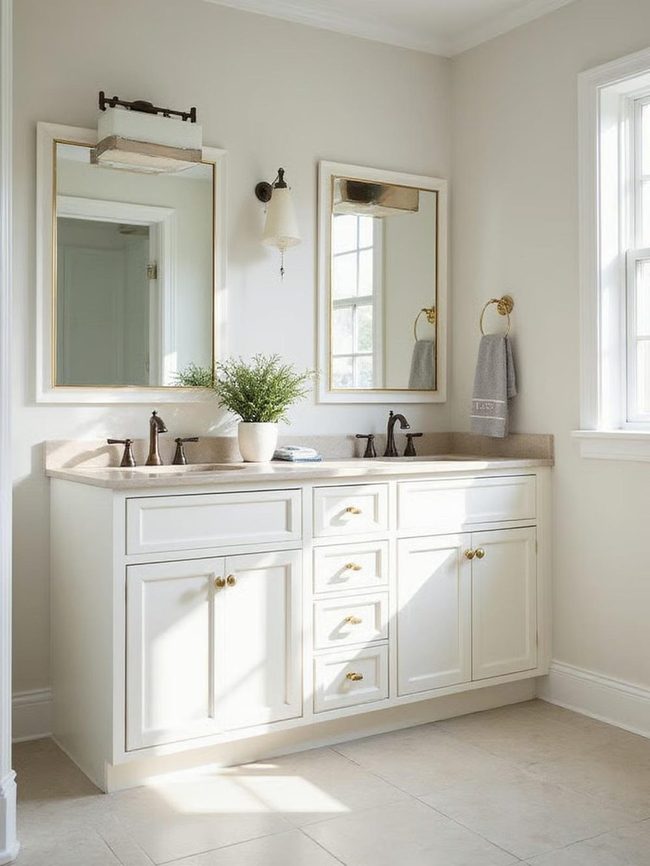
Hardware and finishes are the jewelry of your bathroom, and they deserve just as much attention as the bigger design choices in your space.
Most people treat cabinet pulls, faucets, showerheads, and light fixtures as separate decisions, but here's the thing, they all share the same room and need to flow together harmoniously.
You don't have to match everything exactly, and mixing metals can actually look quite stylish, but the pieces you choose must feel like they belong together.
Sticking to two or three metal finishes keeps things balanced and polished, whether that's matte black hardware paired with warm brass lighting or any other combination you prefer.
What really matters is understanding the undertones in eachfinish, since a warm brushed nickel will clash with cool, stark chrome.
Before you commit to anything, grab samples of every piece and hold them next to eachother under your bathroom light to see how they interact.
That simple comparison tells you everything about whether your choices will feel connected or scattered.
Taking this step separates a disjointed bathroom from one that looks thoughtfully put together.
Accurate Measurements Beat Design Dreams
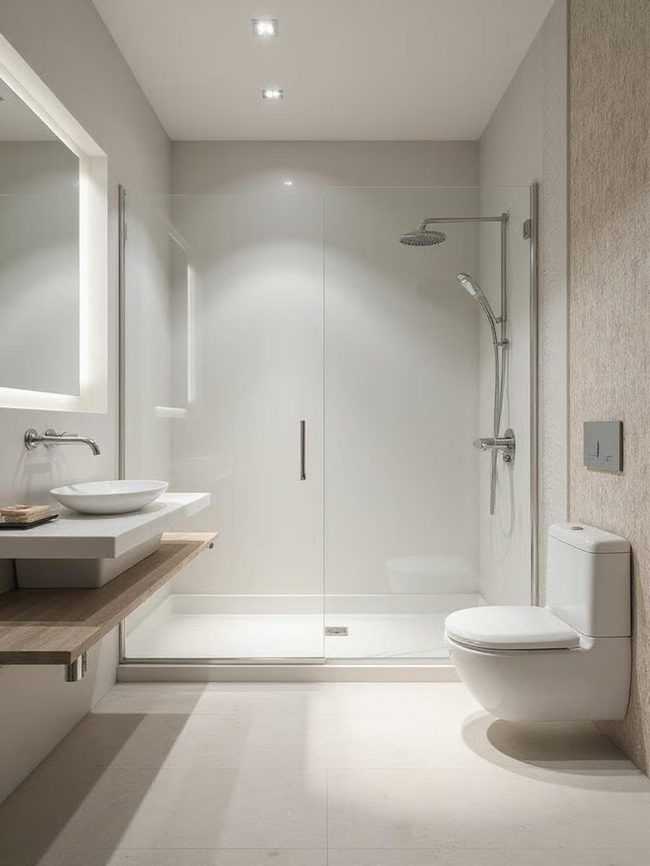
Stop guessing about your bathroom measurements and rthroughout for your tape measure instead, it matters more than any design inspiration you find online.
I once had a client convinced a 36-inch vanity would fit in their space, so they ordered it, paid for delivery, and discovered the bathroom door wouldn't open all the way when it arrived.
That half-inch mistake cost them a thousand dollars and a ton of frustration.
Measure everything at least three times: the width, depth, and height of your space.
Keep in mind that walls often aren't perfectly straight, so you can want to check multiple spots along throughout surface.
Mark down where your pipes and outlets sit because you can't move those around.
Grab a second person to verify your numbers instead of relying on an app, this simple step keeps you from ending up with a vanity that blocks your shower door.
Once you have an accurate map of your bathroom, you can confidently pick out furniture and fixtures that will actually fit and function properly.
Jasmine Lee
Content Creator & Style Advisor
Expertise
Content Creation & Engaging Writing, Home Project Ideas & Decorating Tips, DIY Projects & Creative Solutions, Trend Spotlights & Practical Styling Advice, Easy-to-Follow Guides for Home Decor
Education
University of California, Los Angeles (UCLA)
Jasmine Lee is a content creator and style advisor at Nesthance, making home décor feel fun and effortless. With a degree in communications from UCLA, she has a knack for turning decorating ideas into easy, step-by-step guides that anyone can follow.
She loves sharing practical styling tips, creative DIY projects, and trend insights to help readers refresh their spaces without stress. Her work focuses on making design approachable and inspiring for all.
Outside of writing, Jasmine enjoys discovering new design trends, attending workshops, and curating inspiration boards to keep ideas fresh and exciting.