19 Modern Bathroom Design Trends That Redefine Style

Bathroom design trends shape the way we think about one of the most personal spaces in any home, and staying informed about current movements can make a real difference when you plan a renovation or refresh.
The evolution of how we approach these intimate rooms reflects broader shifts in lifestyle, technology, and aesthetic preferences that continue to emerge year after year.
What once served purely functional purposes now balances wellness, sustainability, and style in ways that feel both practical and inspiring.
Modern approaches emphasize comfort and calm while incorporating innovative materials and smart solutions that make daily routines more enjoyable.
Cultural influences from around the world have expanded the conversation beyond traditional layouts, opening up fresh perspectives on lighting, fixtures, and spatial arrangements.
Design choices in these spaces can significantly impact mood and functionality, making it worthwhile to understand what resonates with contemporary sensibilities.
Learning about current directions helps anyone make informed decisions that will feel relevant and satisfying for years to come.
Charcoal And Navy Bathroom Intimacy
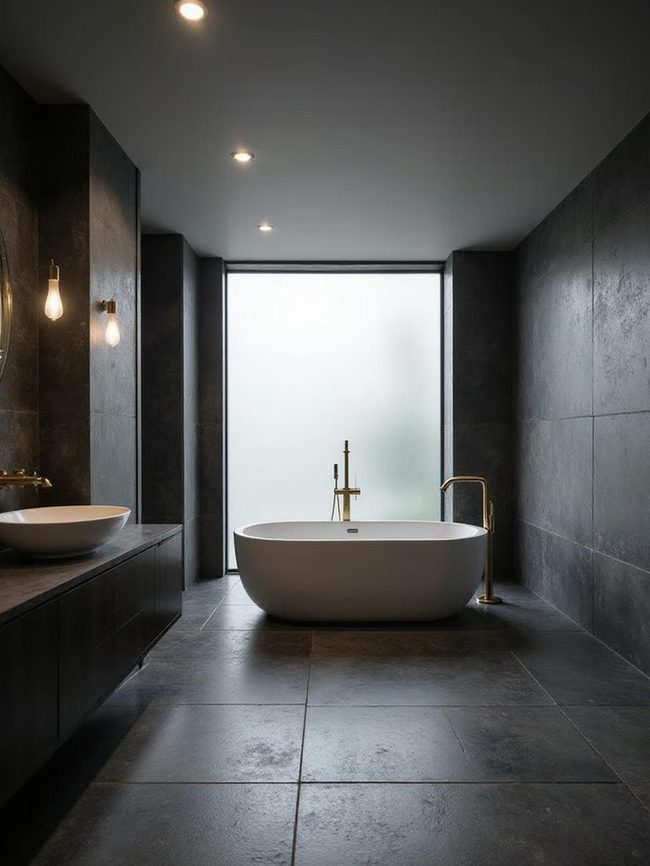
Moody bathrooms make a striking statement by swapping light, airy designs for deep charcoal grays, rich navy blues, lush forest greens, and bold blacks that transform the space into something intimate and sophisticated.
What makes work is how light and shadow interact with textures across the room, creating a sanctuary feel that's both tranquil and stylish.
Dark palettes work in any size bathroom, though smaller spaces need extra thought.
You might limit darker shades to one accent wall or the vanity area and balance them with lighter mirrors, airy fixtures, and smart lighting so the room doesn't feel cramped.
Larger bathrooms give you more room to go all-in with dark colors, but even then good lighting matters because you don't want the space to feel like a cave.
One challenge with dark colors is that they can make rooms seem smaller if you're not careful about the balance.
Before committing to any paint color, test it in your bathroom by painting a large sample area and watching how it looks at different times of day under various light conditions.
Moving toward something airyer, you might explore palettes that bring natural freshness and vitality into your bathroom instead.
Freestanding Cast Iron Tub Centerpiece
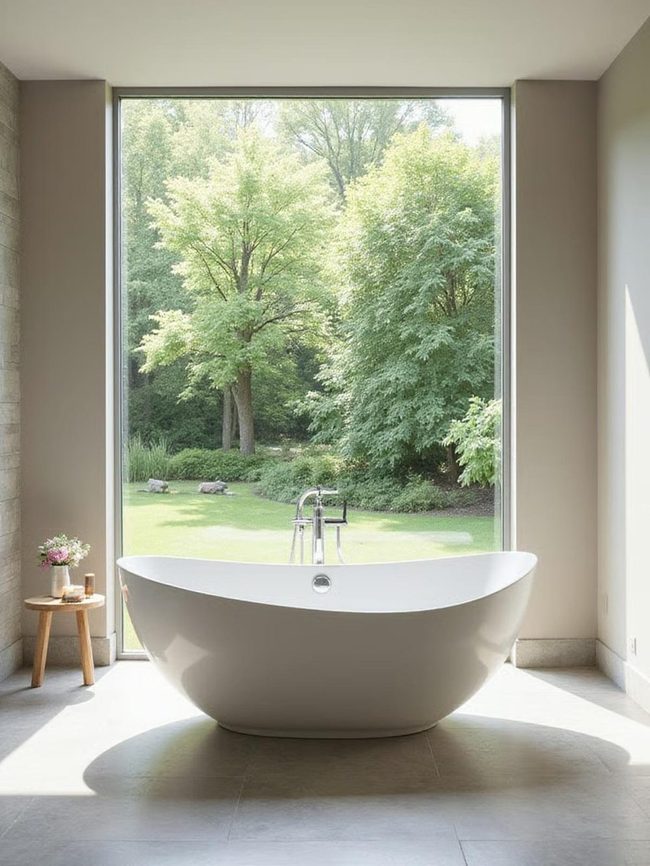
Freestanding tubs stand out as show-stopping centerpieces that instantly elevate any bathroom space, and their sculptural designs and premium materials bring a genuine sense of luxury right into your home.
Unlike built-in options, these standalone pieces offer flexibility in placement and give rise to a feeling of openness and architectural character.
When you're selecting the right tub for your space, size matters most, you'll want to ensure it fits comfortably without cramming your bathroom.
Material choices range from lightweight acrylic to cast iron, which holds heat beautifully, copper with its unique look and natural antimicrobial benefits, and modern stone resin options.
Style is equally important since your tub should match your bathroom's design language, whether that's classic clawfoot elegance or modern polished lines.
Keep in mind that freestanding tubs need floor-mounted or wall-mounted faucets, and you might need to adjust your plumbing to accommodate them.
Once your tub is in place, you can enhance the whole bathing experience by adding candles, aromatherapy diffusers, and lighting around it to give rise to that spa-like retreat you deserve.
Green Bathroom Oasis With Living Plants
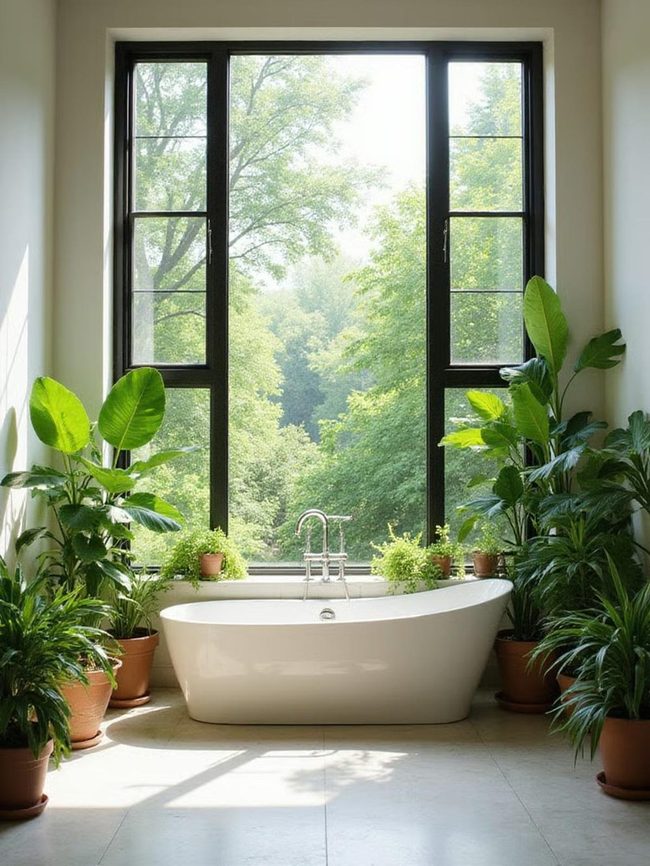
Bringing the outdoors into your bathroom through plants and greenery can transform how you feel in that space, and research shows that surrounding yourself with natural elements actually lowers blood pressure and reduces stress levels.
Snake plants, pothos, peace lilies, and ferns all do well in humid bathrooms with low light, making them perfect choices for this environment.
You might also consider air plants, which need no soil and offer flexible display options, or orchids if you want to add some elegance while enjoying the humidity.
Aloe vera works nicely too, thriving in indirect light and offering medicinal benefits on the side.
Beyond just adding plants, biophilic design also means maximizing natural light when possible and incorporating natural materials like wood and stone into your bathroom.
This approach to design has gained real traction lately because people are becoming more aware of how nature affects our well-being and mood.
It feels like the key is to research what in all plant needs before you buy it, so you can match your bathroom's conditions with plants that will actually flourish there.
Essentially, you're creating your own personal retreat that supports both your mental health and your home's overall appeal.
High-Tech Bidet Toilet Innovation
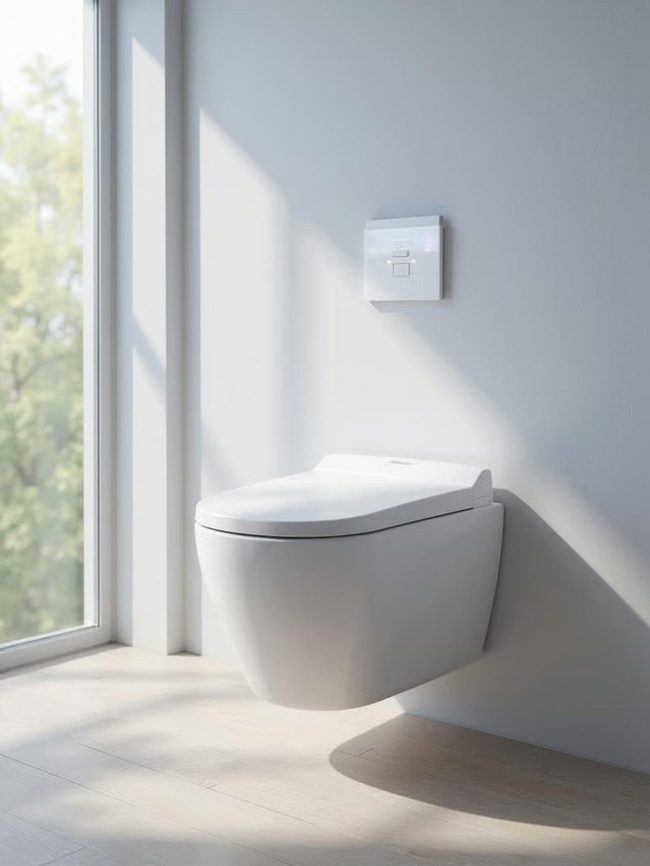
Smart toilets packed with cutting-edge technology can transform how you approach bathroom hygiene and daily comfort.
Bidet functionality with adjustable water temperature, pressure, and nozzle positioning lets you customize your cleansing experience, and heated seats make cold mornings far more pleasant while automatic flushing keeps everything hands-free and effortless.
Many models include air dryers, deodorizers, nightlights for navigating in the dark, and self-cleaning systems that reduce your maintenance work significantly.
Unlike traditional toilet paper, this water-based cleansing method is gentler on sensitive skin and delivers superior hygiene results, often finishing with a warm air dry that feels both soothing and adaptable to different needs.
People with mobility challenges or certain medical conditions especially benefit from the hands-free operation and enhanced cleansing, which supports independence and overall well-being.
Before you bring one home, measuring your existing toilet and bathroom space ensures the unit will fit properly without complications.
Water supply connections and electrical outlet access matter too, so checking these features prevents installation headaches down the road.
Large Mirrors Amplify Bathroom Light
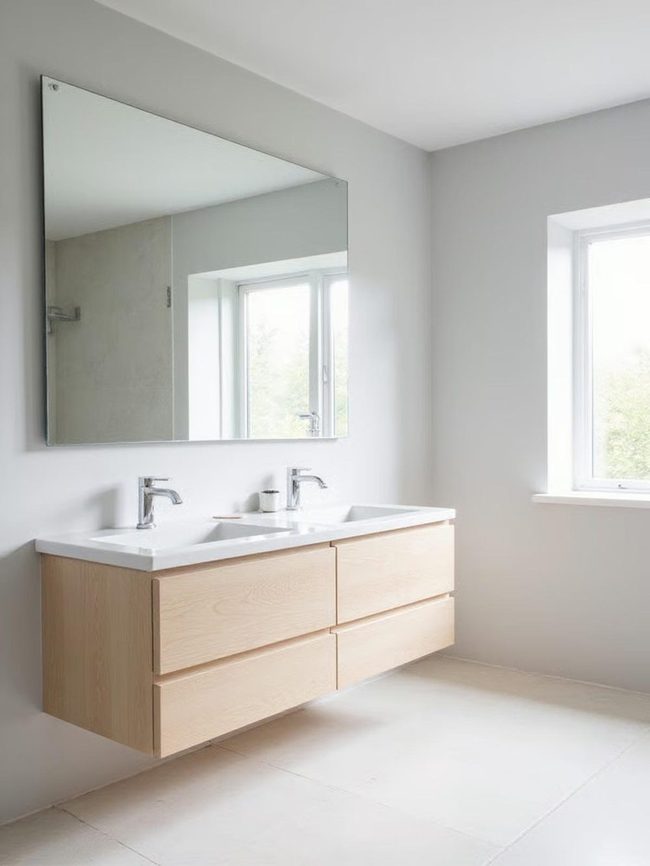
Oversized mirrors make an immediate visual impact in bathrooms, and they've become increasingly popular for good reason.
These bold pieces work hard to bounce light around the space, making even compact bathrooms feel larger and more open.
Beyond reflecting light, they function as striking design statements that inject personality into your room.
What makes them so effective is how they go beyond basic utility and become genuine design features that elevate your entire bathroom.
When selecting one for your space, you may want to think about proportions so the mirror enhances rather than overwhelms the room.
Style matters too, and you should pick a frame, or no frame, that matches your bathroom's overall look.
Where you place it is just as important; consider what surfaces and views the mirror will reflect and position it to highlight the best parts of your space.
Lighting plays a significant role as well, so make sure your mirror placement works with your light sources to brighten the entire area.
Before you commit to buying, try making a cardboard template in the same size and shape to see how it looks on your wall, and this trick will help you avoid any regrettable purchases.
Personal Photo Gallery Bathroom
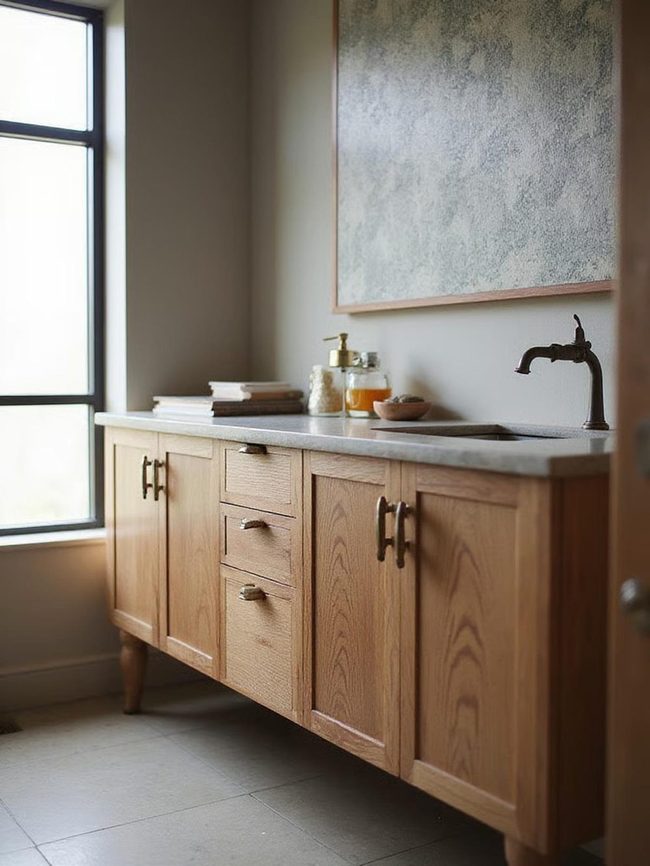
Nothing beats adding your own personal flair to transform a bathroom from just another functional room into a space that feels completely yours and reflects who you are.
Gallery walls filled with framed photos and prints instantly catch attention and set the tone for the entire space, while custom storage built specifically for your needs keeps everything organized without sacrificing style.
Monogrammed towels and unique hardware that matches your taste add those special touches that make the room unmistakably personal, and displaying your favorite collections, whether sea shells, vintage perfume bottles, or anything in between, brings character and warmth to the walls.
When you focus on what truly matters to you, whether that's luxury, efficiency, sustainability, or comfort, your design choices naturally become easier and more meaningful.
Building around those core priorities ensures your bathroom works hard for your daily routine while also feeling like a genuine reflection of your values and personality.
We all deserve a space that reminds us of what we love every single time we step inside, and that happens when you skip the generic approach and make deliberate choices based on what brings you peace and joy.
Your bathroom becomes a personal sanctuary where function and personality blend together seamlessly, making across visit feel better than the last.
Floating Vanity Maximizes Bathroom Space
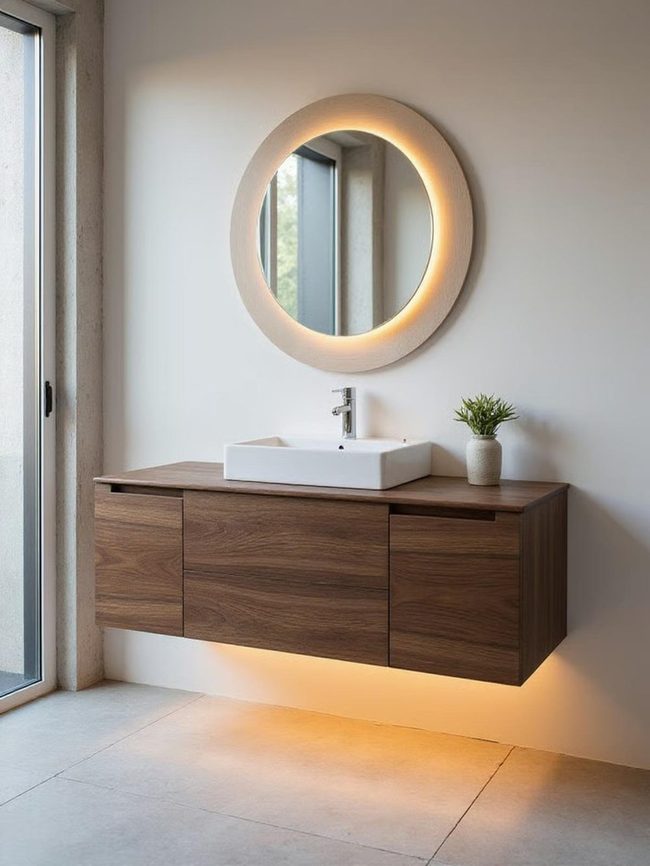
Floating vanities shape an instant sense of openness by exposing the floor beneath them, which makes even compact bathrooms feel noticeably larger and more breathable.
You can discover that cleaning becomes far simpler too, since there are no hard-to-rin all spots around the base to worry about.
LED strip lighting tucked underneath the vanity produces a glow that enhances the floating effect and gives your bathroom a refined, contemporary feel.
These vanities come in numerous styles and materials to suit your preferences, from minimalist designs with clean lines to warmer options using reclaimed wood.
Natural woods like oak and walnut work alongside engineered materials such as MDF, plus stone choices including marble and granite or even industrial metal finishes.
In all material you select shapes how your vanity looks, feels, and holds up over time.
Height customization during installation means you can adjust the vanity to match your specific needs and comfort.
Beyond the storage hidden inside, floating vanities pair beautifully with open shelving, allowing you to display bathroom essentials and decorative pieces in a way that feels both practical and refined.
Hexagonal Tiles Transform Bathroom Walls
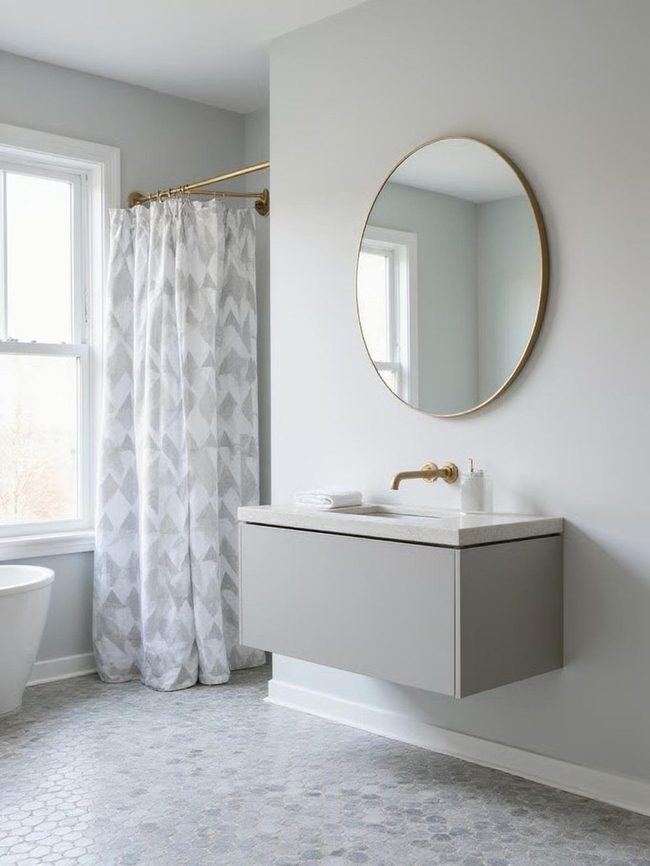
Geometric patterns bring real energy to bathroom design, and they work across nearly every style you might imagine, from polished modern looks to retro art deco vibes.
Hexagons, triangles, chevrons, and squares dominate right now, and you can arrange them in endless ways, covering whole walls, creating a detailed mosaic effect, or just adding a pop of pattern in the backsplash or shower niche.
Herringbone and basketweave arrangements have classic appeal with plenty of movement, while mixing different sizes and colors of the same shape lets you build something truly personal.
A geometric tile backsplash behind your vanity can serve as the star of your bathroom and shift the whole feel of the room.
You can play with bold and playful designs or keep things understated and refined depending on your mood and space.
Before you commit to tiles, sketch out mockups or use online tools to preview how the pattern will actually look in your bathroom, and this quick check prevents you from regretting your choice later.
Geometric patterns offer a smart way to add color, texture, and visual interest to surfaces that might otherwise feel plain.
Deep Blue Bathroom With Patterned Tiles
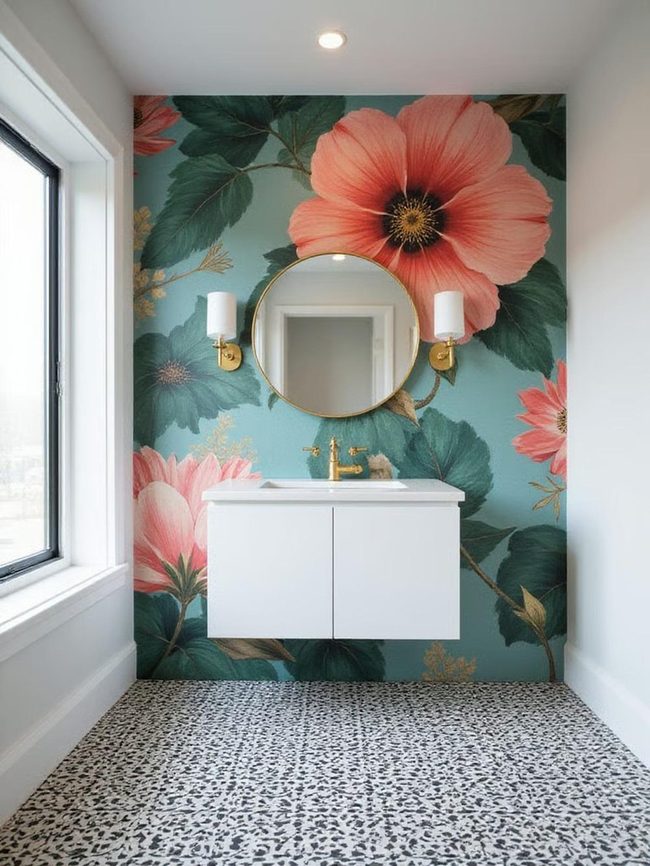
Bold colors and patterned designs can transform your bathroom from a purely functional space into a room that showcases your personality and energizes your senses, and the possibilities range from painted accent walls and richly colored vanities to patterned tiles and flooring options.
Deep blues, emerald greens, and sunny yellows on your vanity introduce striking statements, while eye-catching tiles or wallpaper on a feature wall immediately grab attention and make even small bathrooms feel more spacious and intriguing.
Patterned flooring through tiles, vinyl, or rugs brings boldness underfoot, and colorful towels, shower curtains, and artwork layer additional expression throughout the room.
When you understand color psychology, you realize that blue promotes calmness while yellow sparks energy and optimism, so you can choose hues that match the mood you want.
It often helps to test bold colors through accessories before committing to painting walls or installing new tiles.
Moving beyond these palettes opens another direction for bathroom design, exploring darker, more dramatic color schemes offers a completely different kind of appeal that many people find equally rewarding.
Gold Versus Brass Bathroom Finishes
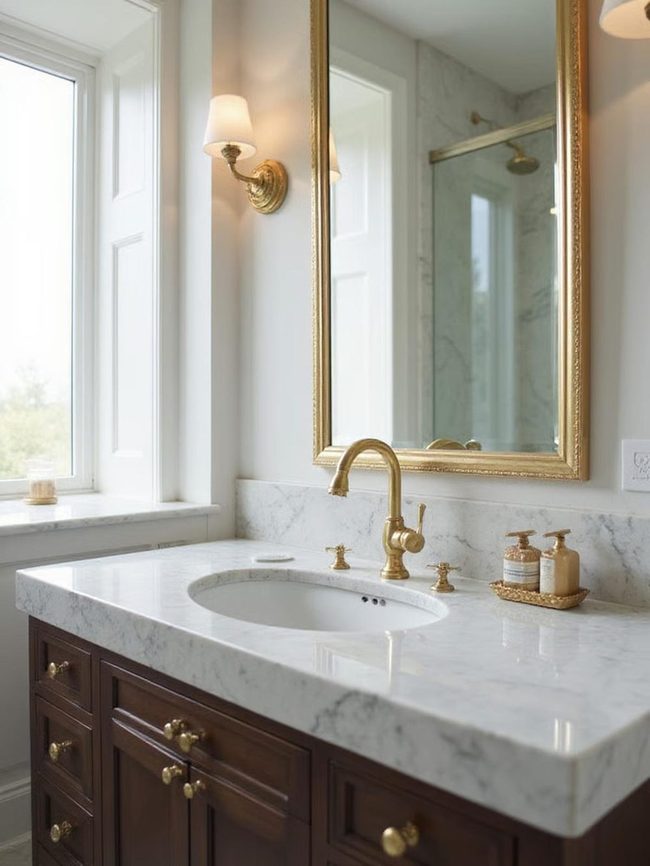
Gold and brass finishes bring luxury to bathrooms in distinctly different ways, and understanding these differences helps you pick the right one for your space.
Brass is an alloy made from copper and zinc that comes in shades ranging from antique to polished, with a warm and somewhat muted shine that feels timeless.
Gold finishes sit on top of other metals and tend to be brighter and more reflective, giving off a pared-back, modern kind of glamour.
Your bathroom's color palette and the mood you want to set should guide this choice.
Brass works beautifully when you're going for a vintage warmth, while gold delivers a contemporary sparkle and polish.
Both finishes look refined on many bathroom elements like faucets, showerheads, towel bars, cabinet handles, light fixtures, and mirror frames.
When you decide on one finish, spreading it across these different pieces creates visual harmony throughout the room.
Balance matters though, so skip covering everything in metallic tones.
A single striking gold faucet against a dark countertop stands out far more powerfully and feels more refined than loading every surface with shine.
Maple And Stone Bathroom Sanctuary
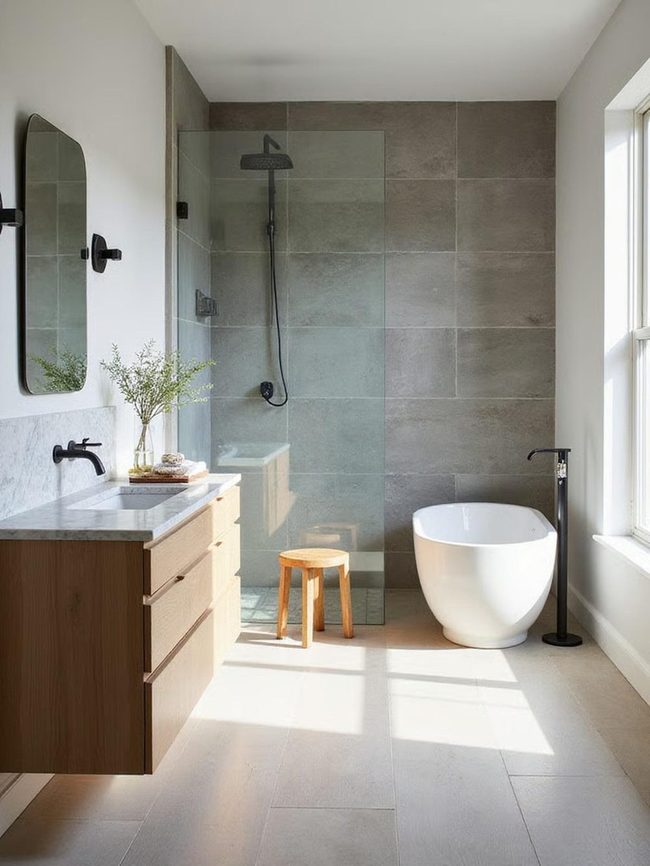
Natural materials like wood and stone have become essential to modern bathroom design because people want spaces that feel closer to nature and less clinical than typical bathrooms.
Wood species such as teak, cedar, and bamboo work well in humid environments, while stone options including granite, marble, slate, and travertine in all bring their own look and care requirements to consider.
A wood slat accent wall behind your vanity shifts the whole room toward a spa-like atmosphere that feels calm and grounded.
Both wood and stone need attention to moisture and humidity since bathrooms are wet spaces, so selecting water-resistant varieties matters a lot.
You can want to seal natural stone surfaces regularly to keep them from staining and taking water damage, and picking the right sealant for your specific stone type helps everything last longer.
Stone and wood both offer warmth and organic beauty that moves away from the cold feeling many bathrooms have.
When you're choosing these materials, think about your style preferences and how much time you want to spend on upkeep.
Moving toward these natural elements creates a sense of calm in your daily routine and brings the relaxation and peace of a spa right into your home.
Waterproofed Floors Enable Barrier-Free Showers
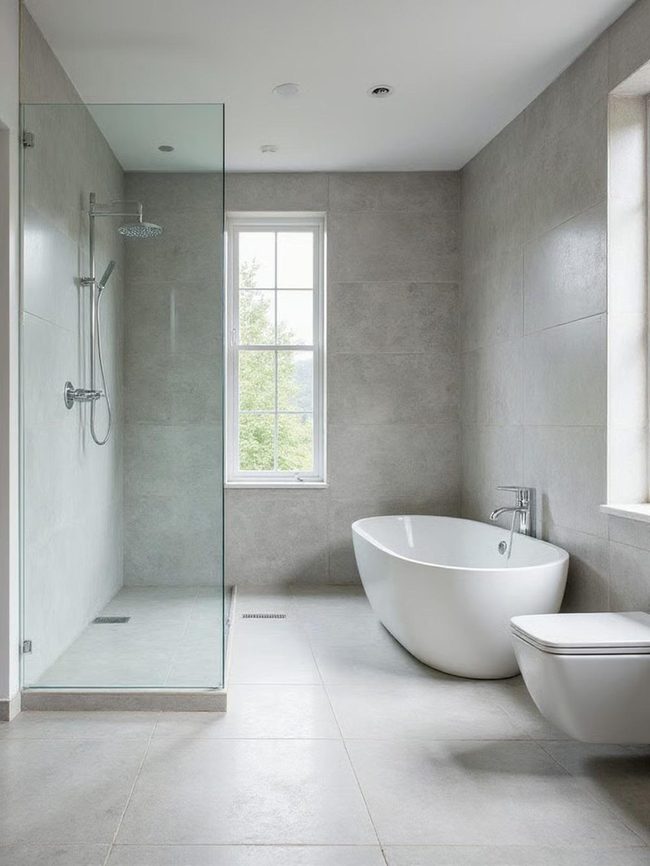
Wet rooms and open showers have become increasingly popular in modern bathroom design, and while they share similar goals of creating open and spacious layouts, they differ in how much waterproofing is involved.
A wet room waterproofs your entire bathroom space, letting the shower blend naturally with the rest of the room, usually with a sloped floor that drains to a single point and sometimes a partial glass screen or no enclosure at all.
Open showers take a different approach by skipping the door or full enclosure around just the shower area, though the rest of your bathroom stays dry, and they typically use a low curb or slight floor change to keep water contained.
Beyond looks, these designs bring real benefits, they're much easier to clean without all those corners and enclosures catching dirt, they make any bathroom feel bigger and more spacious, and they work especially well if you or someone in your home has mobility challenges since there are no barriers to navigate.
Many people love how modern and minimal these bathrooms feel, almost like a personal spa in your home, and that streamlined appeal can even help your property value if you ever decide to sell.
Stone And Oak Tile Dimensions
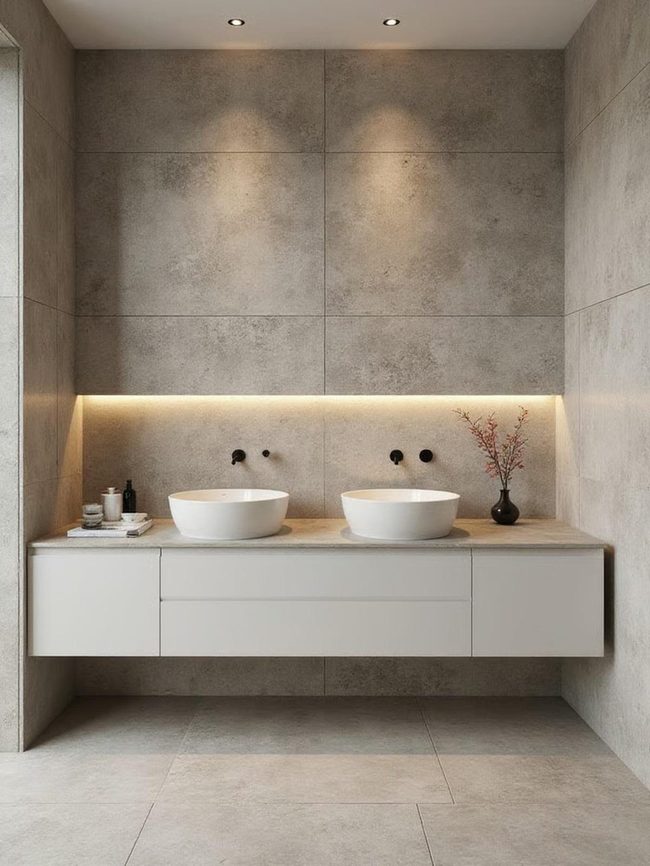
Textured walls and tiles bring visual depth and sensory appeal to bathrooms that often feel flat and sterile due to all the smooth, hard surfaces we typically see.
Stone-look tiles mimic the beauty of natural stone with varied surface textures and can work in both rustic and modern styles, while wood-look tiles give you the warmth of real wood paired with tile's durability and water resistance, often complete with realistic grain patterns and refined imperfections.
3D tiles stand out with raised patterns and geometric or sculpted designs that catch attention and add dimension, and handmade Moroccan zellige tiles bring artisanal character through their natural variations in color and size.
Adding texture breaks up sameness and appeals to both what you see and what you touch, making the space more interesting and intimate.
A textured feature wall behind your vanity works especially well to draw focus and shift how your whole bathroom feels.
Before you commit to any textured treatment, grab some samples and see how they perform in your actual space under your real lighting.
Texture influences how big or warm a room feels, so you can use it strategically to adjust the mood.
Open Walnut Shelves Bathroom Ideas
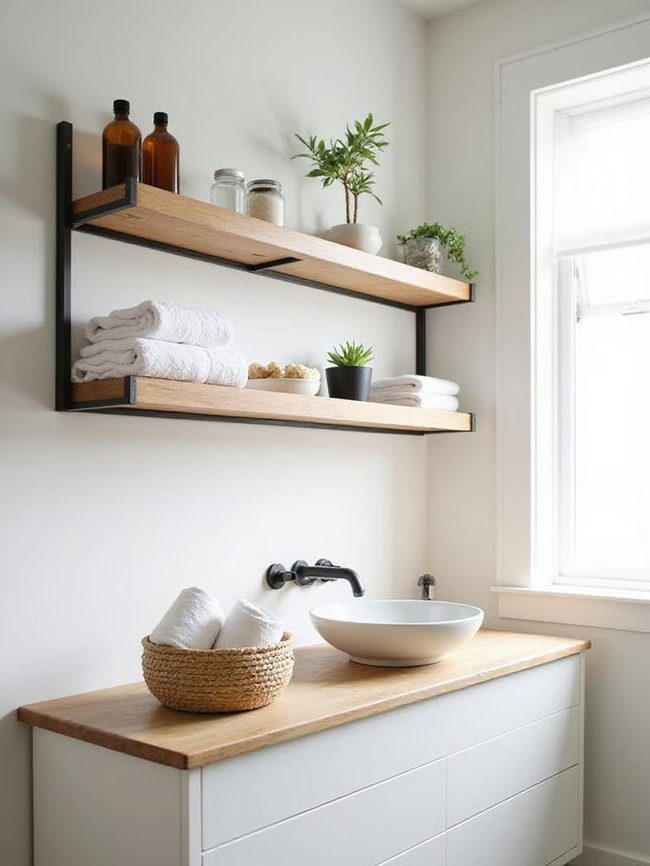
Open shelving has become a go-to choice in bathroom design because it looks great and works hard for storage, offering a way to show off your style through items you love while making the space feel larger and more open than closed cabinets would.
Unlike heavy wooden storage that eats up floor space, open shelves give bathrooms an airy feel and let you grab what you need without fussing with doors.
You will want to choose materials intentionally, sealed wood, treated plywood, glass, and metal all handle bathroom moisture well, but MDF and particleboard fall apart when exposed to water and steam.
Placement matters just as much as materials, so think about where your plumbing and lights are before installing shelves, and always pick sturdy brackets that can handle the weight of towels and other bathroom essentials.
Mixing different shelf depths works best when you're trying to display items and keep things functional at once, deeper shelves work well for rolled towels and linens while shallower ones show off decorative pieces without wasting valuable space.
This balance between what looks good and what actually works in your daily routine is what makes open shelving such an effective design solution for bathrooms.
Clawfoot Tubs Meet Modern Mirrors
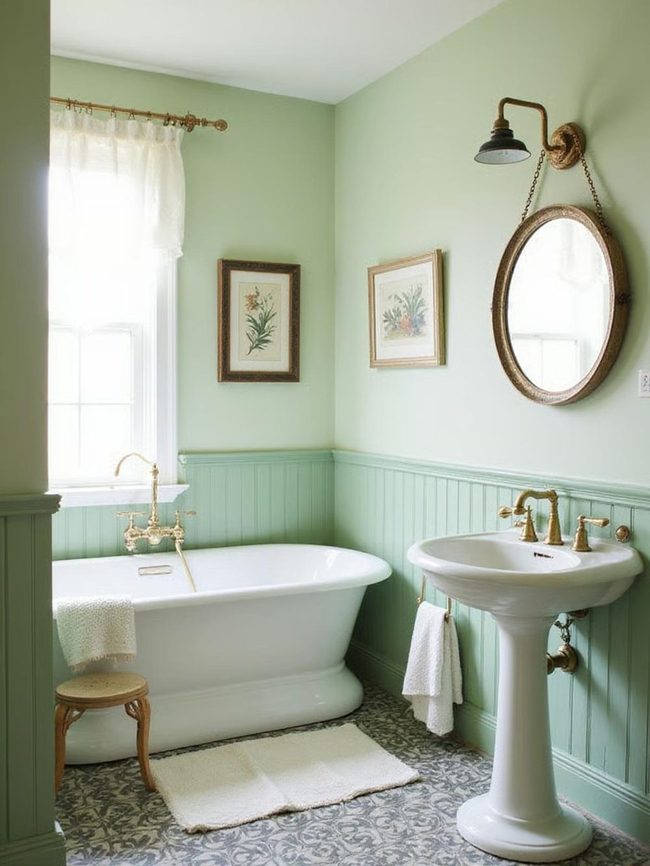
Clawfoot tubs anchored by vintage-style faucets with exposed plumbing command immediate attention in a bathroom space, and pairing these statement pieces with crisp, frameless mirrors and contemporary lighting creates an intriguing contrast between old and new that feels both nostalgic and current.
Pedestal sinks offer refined simplicity while high-tank toilets and cross-handle faucets bring authentic historical charm, and you can enhance these classics with patterned tilework like subway or mosaic tiles in fresh layouts or bolder grout colors to give them a modern twist.
When selecting bathroom colors, lean toward understateder, muted hues such as creams, whites, pastels, and subdued jewel tones to achieve understated elegance throughout the space.
Balance matters most when blending vintage and modern, selecting just a few key vintage-inspired pieces and mixing them thoughtfully with contemporary elements prevents the room from feeling stuck in one specific era.
Rather than recreating a purely period bathroom, you are able to find that a layered approach with deliberately chosen contrasts makes the space feel sophisticated and personalized.
Green And Cream Spa Bathroom
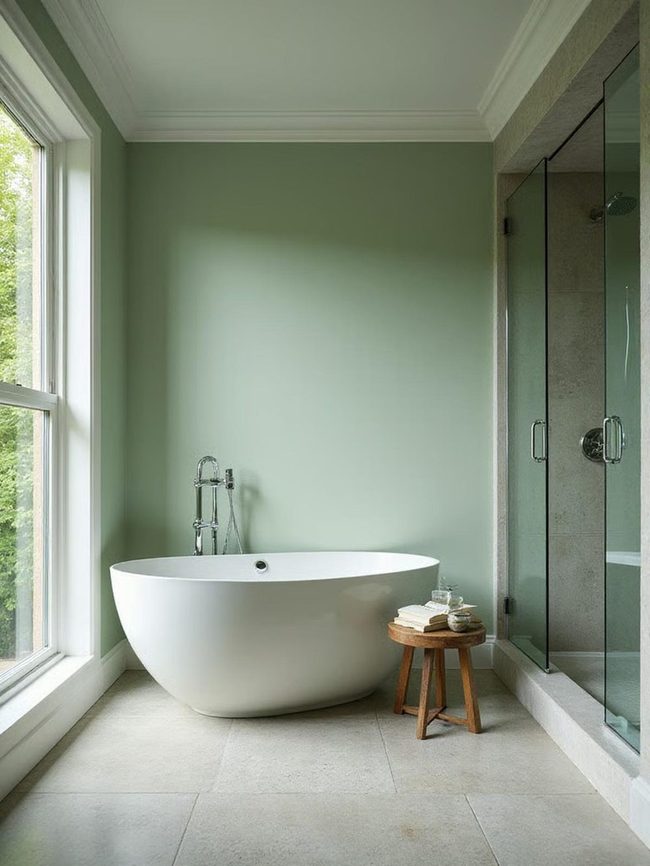
Rainfall showerheads and soaking tubs serve as the foundation for your spa bathroom, offering that luxurious bathing experience you deserve, while dimmer switches let you adjust lighting to match your mood and muted greens, blues, and creams keep the space feeling peaceful and grounded.
Natural materials like bamboo and stone bring warmth to the room, and pairing these with plush towels and bath mats makes every moment feel indulgent.
An essential oil diffuser adds calming scents that enhance relaxation, and even small touches like a heated towel warmer or a strategically placed plant shift the entire atmosphere toward tranquility.
Small bathrooms can absolutely deliver this spa experience too, lighter colors visually expand the space, wall-mounted sinks and toilets save room, and frameless shower doors form an open, airy feel that makes the area breathe.
Multi-functional storage keeps surfaces clear of clutter, which matters because visual calm supports mental calm.
You don't need much square footage to form a sanctuary where relaxation happens naturally.
Large Format Tiles Transform Bathrooms
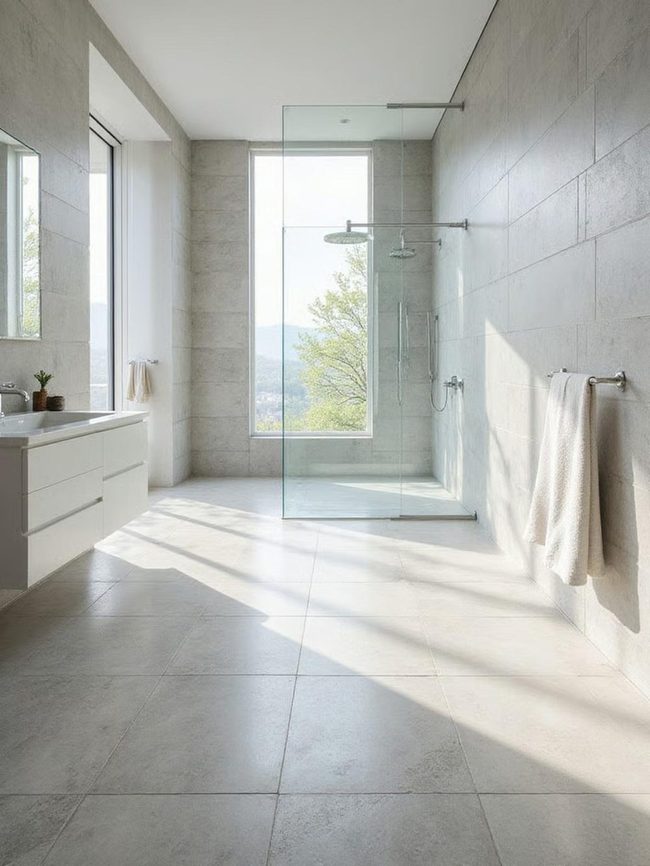
Oversized tiles measuring anywhere from 12×24 inches up to massive 36×72 inch slabs have become a game-changer for modern bathrooms, and they deliver both beauty and function you can genuinely appreciate.
What makes them stand out is how dramatically they reduce grout lines compared to standard tiles, which means fewer places for dirt to hide and significantly less cleaning work down the road.
Fewer seams also set up an uninterrupted visual flow across your walls and floors, making even compact bathrooms feel noticeably more spacious and open.
Beyond the cleaner aesthetic, these large format tiles bring a refined, high-end quality to your space that smaller tiles simply cannot match.
Installing them properly matters though, so before you lay a single tile, spend time leveling your subfloor thoroughly to prevent cracking or lippage, where one tile edge sits higher than its neighbor and ruins that seamless look you're going for.
Clean White Surfaces And Open Space
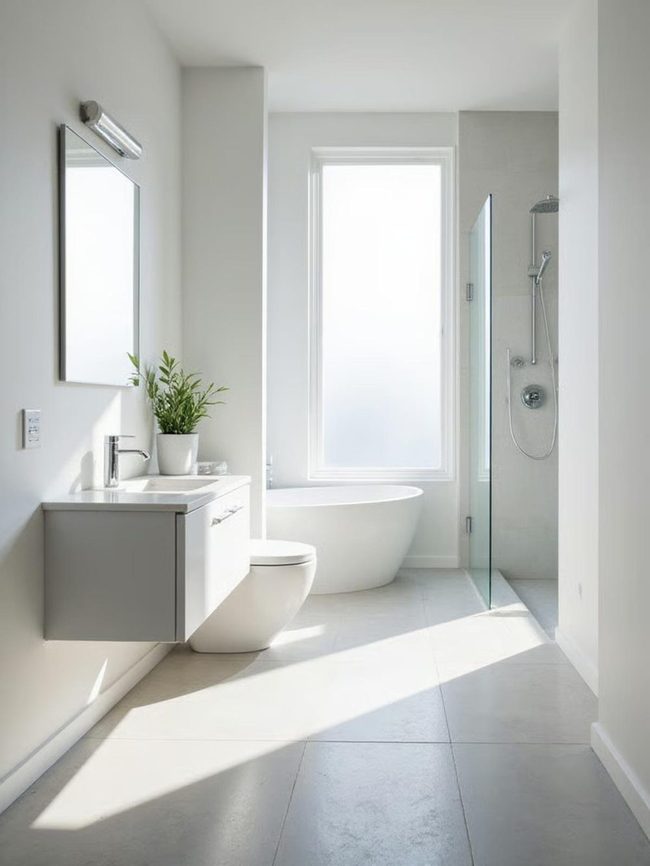
Minimalist bathrooms stand out for their clean lines and uncluttered surfaces that showcase neutral colors like whites, grays, and beiges in a way that feels both calm and spacious.
You could find that this design approach offers real adaptable to different needs benefits, it's far easier to clean and maintain when surfaces stay clear, and even small bathrooms feel more open and breathable.
High-quality materials with simple, clean lines work well here, from frameless glass shower enclosures to minimal fixtures that keep things looking understated.
Storage becomes essential to the whole concept, so built-in cabinets, floating shelves, and mirrored storage keep toiletries hidden and surfaces open.
Lighting matters too, and blending natural light with delicate artificial light creates a space that feels relaxing rather than stark.
Many people struggle with the editing part though, the real trick is removing everything and only putting back items you actually use every day, storing the rest elsewhere to protect that clean, open feel.
Minimalist design stays relevant across time because it avoids trendy flourishes and leans into something timeless.
Seamless Countertop Integrated Sink Design
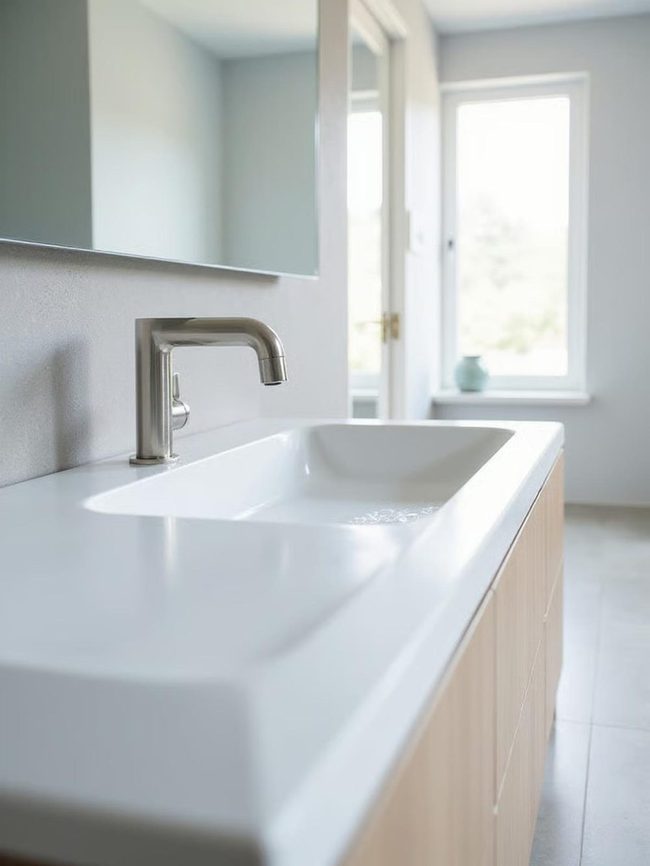
Integrated sinks blend seamlessly with your countertop to form one smooth, unbroken surface that looks remarkably polished and modern.
Unlike separate sinks that sit on top or underneath the counter, integrated designs eliminate all those seams and gaps where dirt tends to hide and collect.
Made from the same material as your countertop, these sinks are molded directly into the piece, giving your bathroom a streamlined appearance that feels both clean and deliberate.
Water flows smoothly across gentle slopes built right into the design, and you get to customize the shape, size, and color to match your space perfectly.
Cleaning becomes a breeze since there are no crevices for mildew or grime to settle into, making maintenance far simpler than traditional sink styles.
When you invest in quality materials, these sinks hold up beautifully over time and add genuine sophistication to any contemporary bathroom.
Just keep in mind that proper countertop height and depth matter for comfort during daily use, so measure thoughtfully as you plan.
This approach to sink design brings together function and modern aesthetics in a way that feels both useful for everyday living and visually satisfying.
Alex Morgan
Founder & Head Home Stylist
Expertise
Interior Design and Space Planning, Color Theory and Eco-Friendly Practices, Traditional Art Techniques and Digital Innovation, Conceptual Development and Interdisciplinary Collaboration
Education
Otis College of Art and Design (Los Angeles, CA)
UCLA Extension (Los Angeles, CA)
Alex Morgan is the creative mind behind Nesthance, where he blends art and design to make home styling simple and inspiring. With a background in fine arts from Otis College and an interior design certificate from UCLA Extension, he brings a unique mix of creativity and practicality to every space.
From smart layouts to eco-friendly touches, Alex believes great design should be easy and accessible. Through Nesthance, he shares simple decorating ideas, DIY projects, and creative tips to help people turn their houses into homes.
When he’s not designing, Alex loves exploring LA’s flea markets, sipping coffee at local cafés, and finding fresh inspiration for his next project.