
8 Bathroom Plant Care Tips That Actually Work

Plants that thrive in bathrooms need attention to specific conditions like humidity and light levels.
Most houseplants struggle without proper understanding of what bathroom environments actually provide.
High moisture can benefit certain species while harming others if drainage isn't adequate.
Low natural light often exists in bathrooms, so selecting varieties adapted to shade becomes essential.
Temperature fluctuations from showers create challenges that only resilient plants can handle successfully.
When you match the right species to bathroom conditions, maintenance becomes surprisingly simple and rewarding.
Learning proper care techniques helps ensure lush, healthy growth that enhances any bathroom space.
Finger Test Soil Success
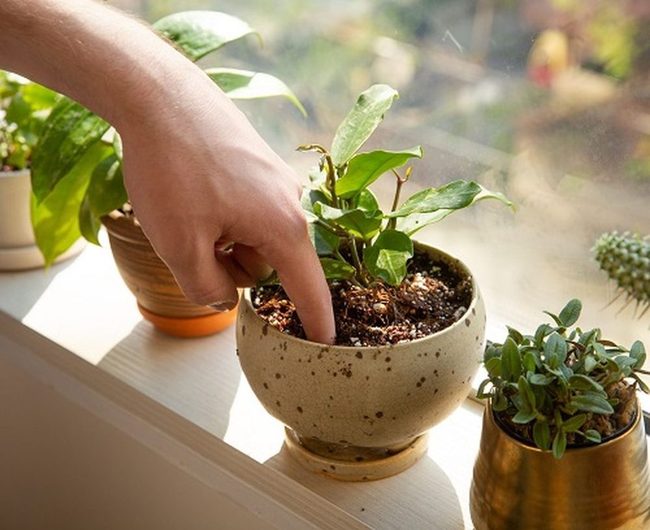
Keeping bathroom plants alive and healthy comes down to understanding what your soil needs, and the easiest way to check is by sticking your finger about an inch into the dirt to feel whether it's dry or damp.
When soil feels dry, that's your signal to water, but if it still holds moisture, you can wait a bit longer before adding more.
Plants in humid bathrooms especially need good air circulation around their roots so they can absorb nutrients properly and stay strong.
Regular moisture checks prevent serious problems like root rot that can damage your plants beyond repair.
Consistent monitoring of your soil moisture stops your greenery from either drowning in water or drying out, and it's honestly one of the smartest habits you can develop for keeping bathroom plants looking fresh and healthy.
Artificial Light Corner Glow
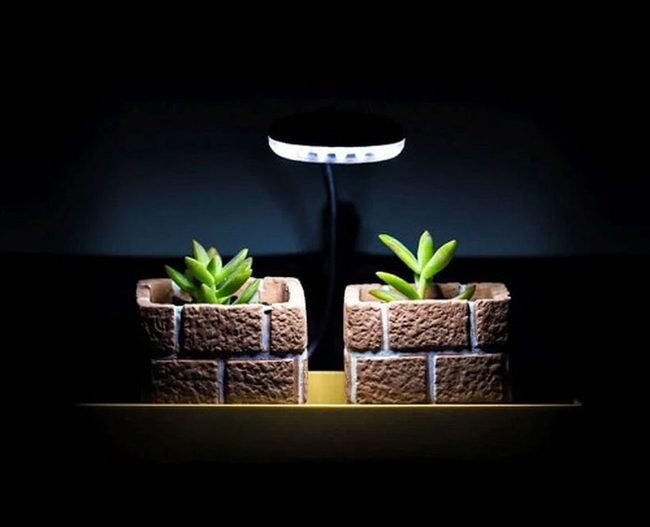
Strategically placed LED grow lights turn dark bathroom corners into thriving plant zones and work wonders for anyone struggling with low-light spaces.
These lights mimic the sun's natural spectrum, giving your green companions the exact wavelengths they need to grow strong and healthy.
Modern LED technology keeps things cool and energy-efficient, so you won't see a spike in your power bill or worry about heat damage to delicate foliage.
Windowless bathrooms no longer have to be plant-free zones because these compact lights slip easily into tight spots and get the job done.
Whether you're working with a shadowy corner or a bathroom with zero natural windows, LED grow lights let your plant collection flourish without any fuss.
The setup is straightforward, the technology is reliable, and your plants will reward you with vigorous new growth.
Plant Rotation For Stronger Growth
Moving your plants around keeps them from getting stuck in one spot and helps them grow stronger in different ways.
Sunny balconies make excellent temporary homes where your greenery soaks up direct sunlight and catches fresh air, which most plants love.
Shifting plants to new locations exposes them to changing light and air conditions that promote healthier roots and leaves.
Bathrooms can feel confining for your green friends, so moving them out periodically gives them the boost they need to thrive again.
Gentle transitions between indoor and outdoor spaces help your plants build resilience and adapt better to various environments.
Regular relocation mimics how plants grow naturally in the wild, with shifting seasons and changing conditions.
When you move plants carefully, you reduce stress on them while encouraging more robust development across their entire structure.
Bathroom Plants, Less Feeding Required
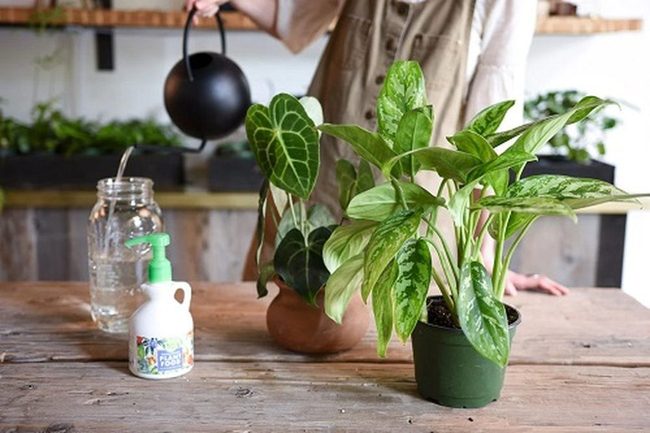
Bathroom plants thrive when you feed them less often than plants in other rooms, since the humid environment already supports their growth in unique ways.
Diluted liquid fertilizers applied every eight weeks during active growing seasons work best for these moisture-loving species and protect their delicate root systems from concentrated formulas that could cause damage.
Tropical varieties especially need fewer nutrients compared to standard indoor plants, so scaling back your feeding routine prevents nutrient overload and keeps roots safe from burn.
Watching how your plants respond to minimal feeding helps you dial in the right approach for each one.
Small amounts of balanced nutrients support steady, healthy growth without heavy-handed intervention.
Keeping an eye on your bathroom plants and adjusting based on what you observe ensures they stay lush and robust over time.
Bathroom Plants Need Breathing Room
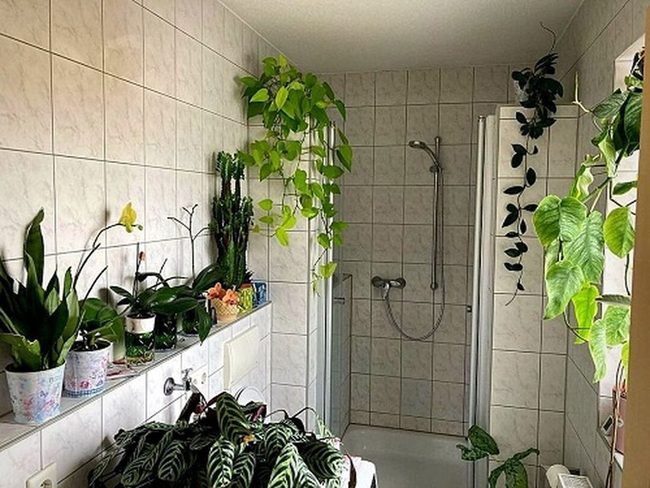
Overcrowding bathroom plants creates humid pockets that damage delicate roots and leaves through excess moisture buildup, so spacing out your green companions prevents fungal growth and gives each one breathing room to flourish.
Strategic placement matters because plants need personal space to absorb light and nutrients without competing for resources.
Air circulation becomes especially important in bathrooms where humidity naturally rises, and positioning plants with gaps between them supports robust growth and stops disease from spreading.
Smart gardeners know that each plant has unique needs and requires access to necessary sunlight and ventilation to develop properly.
We can't treat all bathroom plants the same way since their individual environmental requirements vary widely.
By respecting each plant's growth needs and understanding what it needs to thrive, you'll find that successful bathroom gardening comes down to thoughtful spacing and proper air flow.
Tropical Palms For Small Bathrooms
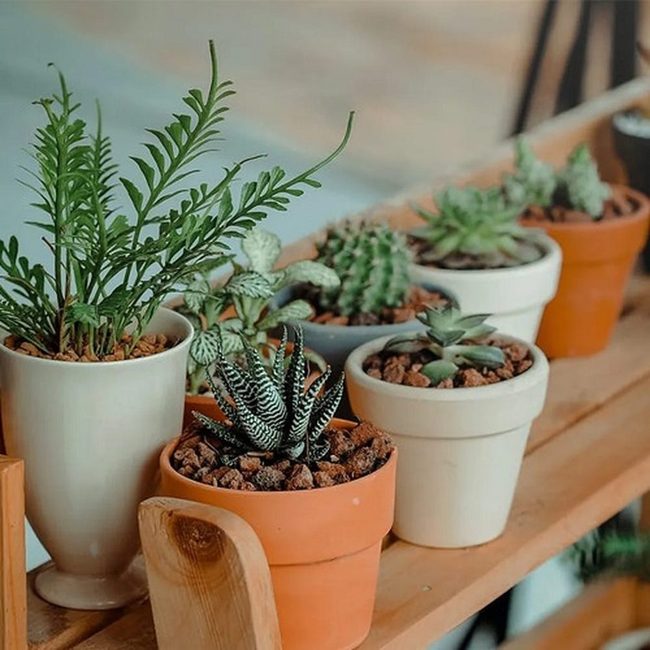
Ponytail palms bring instant tropical flair to your bathroom with their distinctive silhouette and relaxed growth pace, making them an eye-catching choice that won't overwhelm a small space.
Pothos and snake plants thrive in the low-light conditions most bathrooms offer and fit comfortably in compact areas, so you get lush greenery without needing a sunny window.
Spider plants spread soft textures across shelves and corners while staying manageable in size, and philodendrons add rich, layered foliage that works beautifully in narrow bathrooms.
Since these varieties grow slowly, you won't find yourself constantly pruning or battling overgrowth, which means less upkeep and fewer headaches down the road.
Terracotta Breathability For Healthy Roots
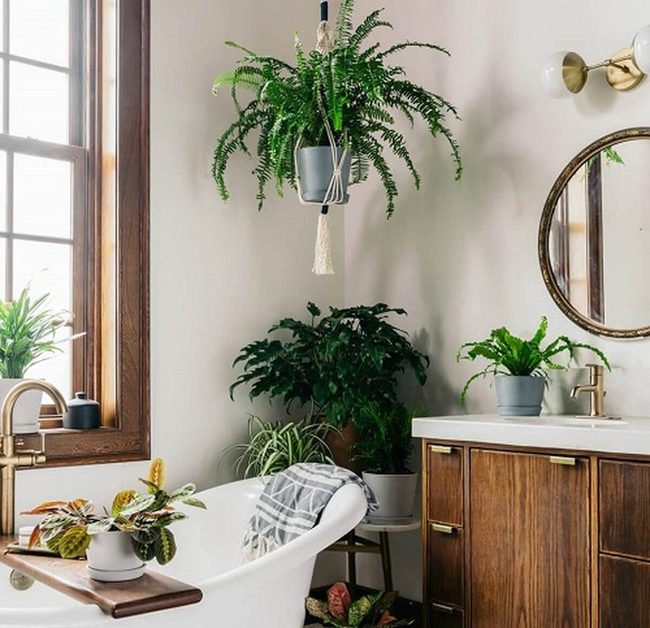
Terracotta and ceramic pots bring visual warmth and texture to your bathroom while also serving a practical purpose by allowing air to flow through the material and keeping roots healthy.
Drainage holes in these containers are non-negotiable since they let extra water escape and stop roots from sitting in moisture that leads to rot.
Beyond the container itself, the soil you choose matters just as much because potting mixes made for humid spaces hold the right amount of water without drowning your plants.
Well-draining soil prevents that dangerous water buildup that damages delicate root systems, and when you pair it with breathable containers like ceramic or terracotta, your bathroom plants get the balance they need between moisture and air circulation.
This combination of smart container selection and the right soil type keeps your greenery looking lush and healthy rather than struggling with soggy conditions.
Bathroom Plants Need Regular Leaf Cleaning
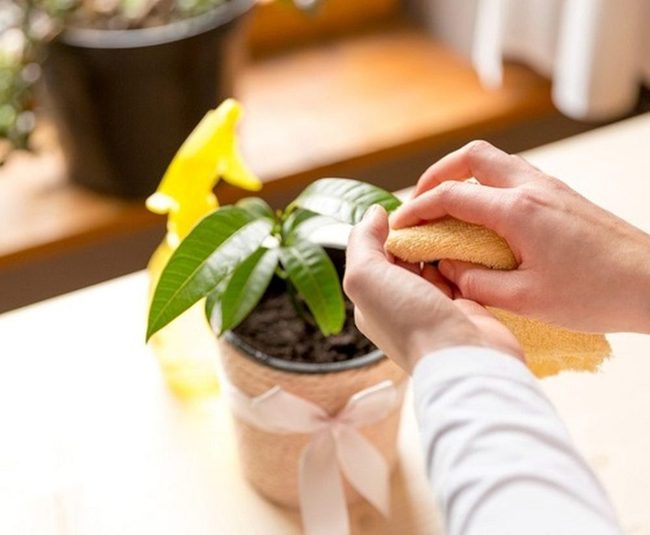
Keeping bathroom plants healthy requires regular leaf cleaning with a soft, damp cloth to remove water spots and dust that block sunlight from reaching the plant's surface.
Since bathrooms are naturally humid environments, moisture-loving plants thrive there, but they still need consistent maintenance to process light effectively and grow well.
Gently wiping down each leaf removes accumulated grime that builds up over time and prevents the plant from absorbing the energy it needs.
You'll notice that plants look fresher and more vibrant when you give them this kind of periodic attention.
When you take a few minutes to care for these plants, they reward you with better growth and appearance in that often-forgotten room of your home.
Alex Morgan
Founder & Head Home Stylist
Expertise
Interior Design and Space Planning, Color Theory and Eco-Friendly Practices, Traditional Art Techniques and Digital Innovation, Conceptual Development and Interdisciplinary Collaboration
Education
Otis College of Art and Design (Los Angeles, CA)
UCLA Extension (Los Angeles, CA)
Alex Morgan is the creative mind behind Nesthance, where he blends art and design to make home styling simple and inspiring. With a background in fine arts from Otis College and an interior design certificate from UCLA Extension, he brings a unique mix of creativity and practicality to every space.
From smart layouts to eco-friendly touches, Alex believes great design should be easy and accessible. Through Nesthance, he shares simple decorating ideas, DIY projects, and creative tips to help people turn their houses into homes.
When he’s not designing, Alex loves exploring LA’s flea markets, sipping coffee at local cafés, and finding fresh inspiration for his next project.