21 Smart Ideas for Your Bathroom Renovation Tips

Bathroom renovation tips can make the difference between a stressful project and a smooth transformation of one of the most important spaces in a home.
Updating a bathroom involves careful consideration of layout, fixtures, materials, and budget, and knowing what to prioritize helps you avoid costly mistakes.
The right approach balances style with function, ensuring that every decision serves both aesthetic and practical purposes.
Whether you face a cramped powder room or a spacious master bath, smart strategies help maximize space and value.
Small changes can have significant impact, while larger overhauls require detailed planning and realistic timelines.
Understanding common pitfalls before beginning saves time, money, and frustration throughout the entire process.
With solid guidance and a clear vision, anyone can navigate a bathroom makeover confidently and achieve results that last for years.
Bathroom Renovation Timeline And Phases
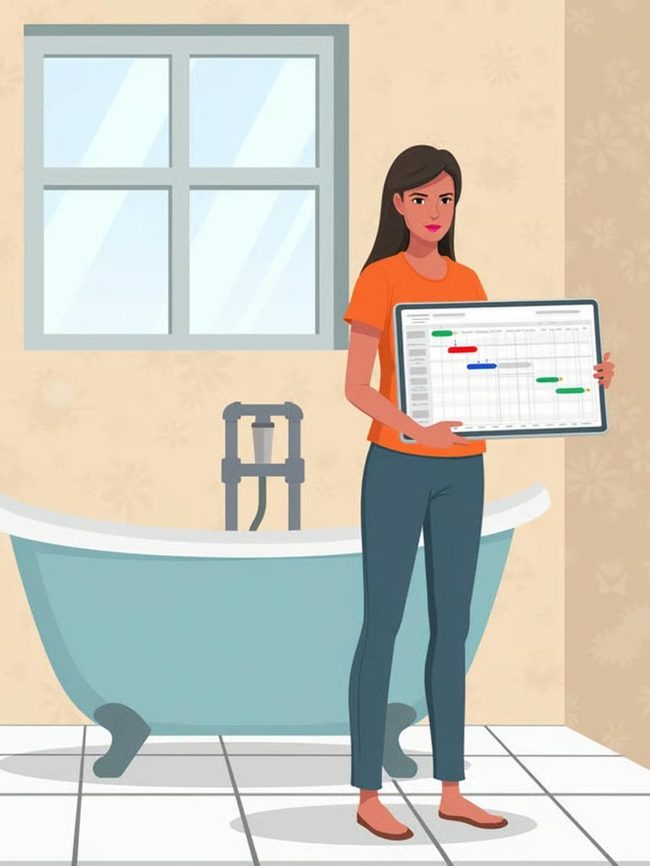
Planning your bathroom renovation means moving through several distinct stages, and across one sets the foundation for what comes next.
Without a solid timeline in place, these phases tend to pile up on across other or drag on without an end date, which can turn your whole project into a stressful mess.
Understanding how the work flows from start to finish actually helps you manage what to expect and keeps stress levels down during what can be a pretty disruptive time.
Start by spending one to four weeks on planning and design, where you'll nail down what needs to happen, lock in your plans, pick out materials, and handle permits.
Demolition comes next and takes just a few days to strip away your old fixtures and surfaces.
After that, the rough-in phase runs three to seven days and covers all the plumbing, electrical, and HVAC work hidden inside your walls.
Wall and floor preparation takes two to five days and gets everything ready for your final finishes, then tile installation happens over three to ten days.
Fixture installation wraps up in one to three days, and finally you handle paint, accessories, and cleanup in two to four days.
When Diy Skills Meet Professional Necessity
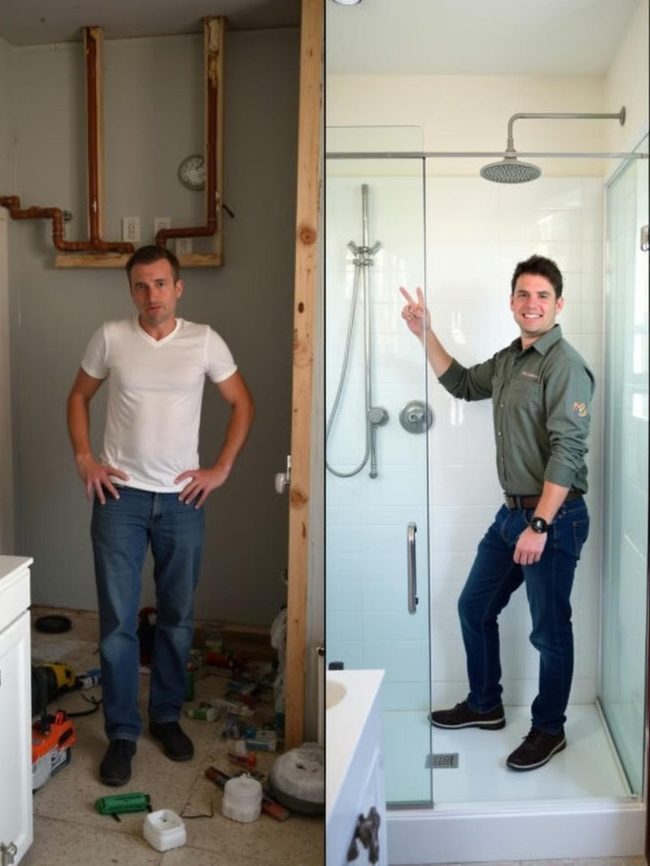
Whether you should tackle a bathroom renovation yourself or bring in specialists depends on honest self-assessment and smart decision-making about where your skills actually lie.
Demolition, painting, and decorative touches often work well as DIY projects that save money and give you real satisfaction from hands-on work.
Specialized tasks like plumbing, electrical work, waterproofing, and tile installation almost always need professional skills because mistakes in these areas can become expensive disasters, a painting mishap washes away easily, but bad waterproofing might cost thousands to repair later.
You should also think about time since a skilled professional might finish in days what would stretch into weeks of your evenings and weekends.
Many renovations turn out best when you split the work strategically: let specialists handle the critical systems and infrastructure while you focus on jobs that match your actual abilities.
This mixed approach gives you both the quality that matters most and the personal reward of contributing your own effort.
Being realistic about what you can do well versus what needs expert hands keeps your renovation on track and stress-free.
The wisest approach is knowing exactly when to pick up your tools and when to dial a professional instead.
Bathroom Essentials Before Luxury Upgrades
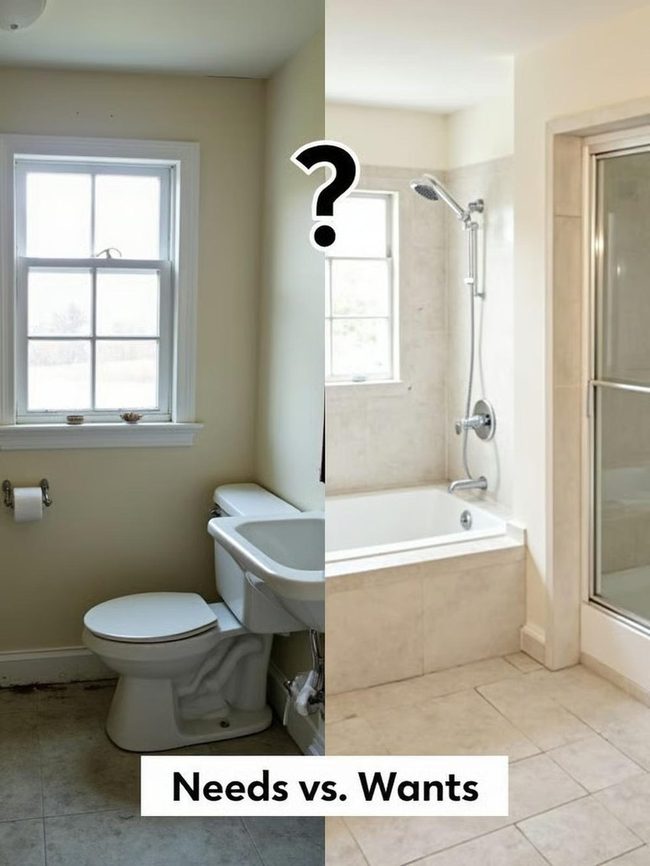
Start by separating what the bathroom actually needs to work from what would just be nice to have, and this distinction becomes the best tool for staying on budget during a renovation.
Functional plumbing without leaks, safe electrical systems, proper ventilation, adequate lighting, and waterproof surfaces belong on the must-have list because they affect how the space functions and keeps the family safe.
Wants like a freestanding tub, heated floors, or custom cabinetry make the bathroom more enjoyable, but the room operates fine without them.
Once you write down both lists, you'll see where the money should go first, addressing things like mold issues, unsafe wiring, or poor ventilation takes priority over that rainfall showerhead you've been dreaming about.
Many people struggle with this step because certain upgrades start to feel essential when you've been researching them online for weeks.
However, honest assessment of what the space genuinely needs versus what would simply enhance it helps the budget stretch further and lets you phase in those want items later as money becomes available.
The needs get handled right away so the bathroom is safe and functional, and the wants can follow as the finances allow.
Wide Doorways Meet Modern Accessibility
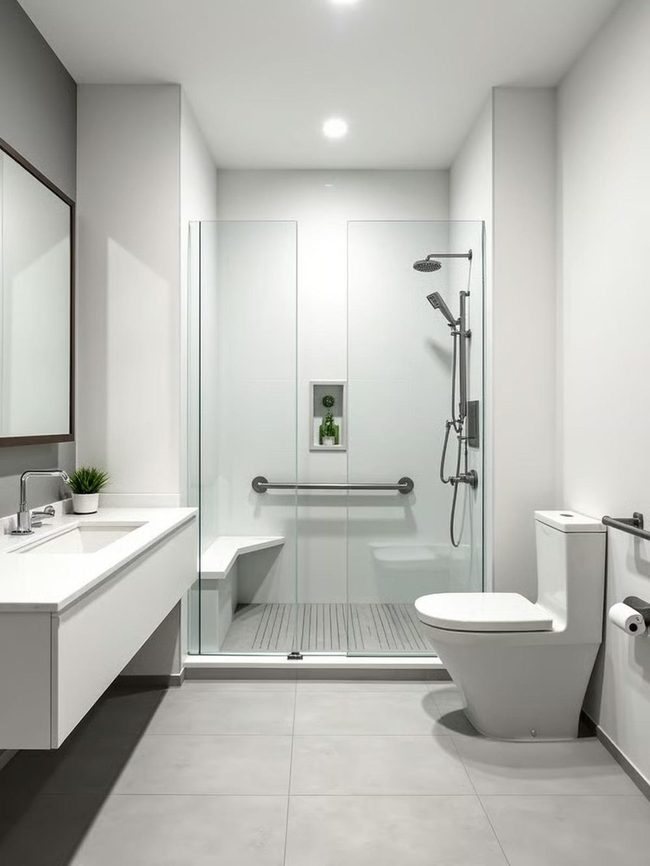
Designing a bathroom with future needs in mind means building a space that works beautifully for you today and adjusts smoothly as circumstances change over time.
Wider doorways at 32 inches or more and showers without curbs stand out as essential starting points, eliminating stumbling risks while keeping the space feeling open and modern.
Comfort-height toilets paired with strategically placed wall blocking for grab bars down the road combine function with style, and lever-style handles on faucets and doors work just as well for anyone regardless of strength or dexterity.
You don't have to sacrifice good design to add these features, they fit naturally into clean, contemporary looks that feel far from institutional or clinical.
Beyond what you need right now, think about what might matter later: a shower bench that seems optional at first could prove invaluable after an unexpected injury or as mobility shifts with age.
That extra space around your sink and toilet that feels generous today becomes genuinely important if your needs change.
Accessibility benefits everyone in your home, not only people facing mobility challenges, and these thoughtful additions protect what you've invested in your renovation while ensuring your bathroom grows with you through different chapters of life.
Grout Color Transforms Tile Impact
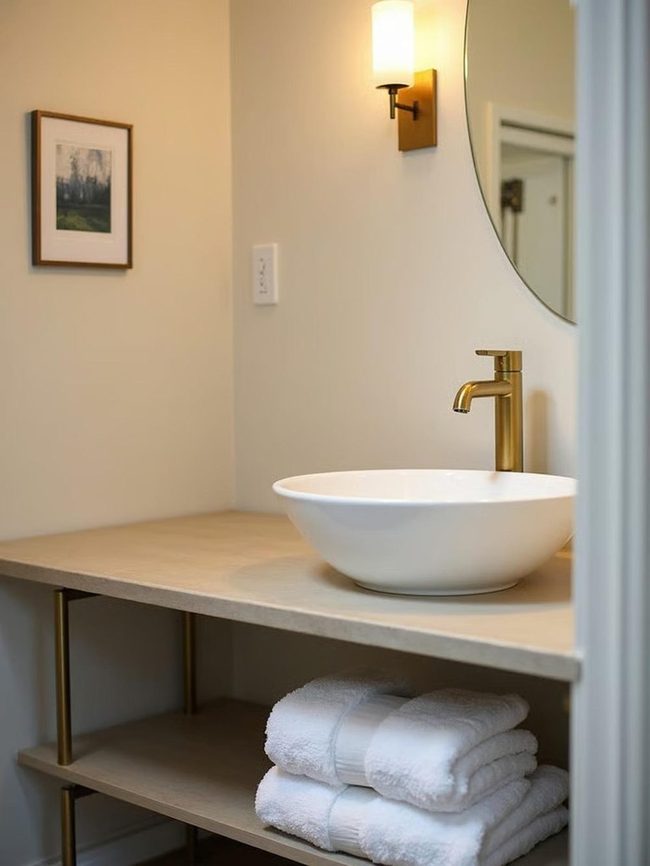
Finishing touches in your bathroom matter far more than you might think, and they're often what separates a basic space from one that feels genuinely special.
Small elements like grout color, caulk lines, and trim work make an enormous difference in how polished everything looks together.
Japanese design teaches us that these visual cues aren't just last-minute additions but core parts of creating harmony throughout the room.
When you pay close attention to how different materials meet every other, you ensure clean lines and proper sealing that keep everything looking sharp.
Grout color alone can shift how your tile reads, you can make the grid pattern stand out or fade into the background depending on what you choose.
Metal finishes should all match across faucets, towel bars, and light fixtures to keep the space feeling unified.
Switch plates and outlet covers deserve the same thought as your major design choices because they're visible every day and can either complement or clash with your overall aesthetic.
These touches cost very little extra but deliver real results in how your bathroom feels and looks, and when you handle them with care, the whole space gains a quality that goes beyond just adding up the individual parts.
Brass Faucets Transform Bathroom Style
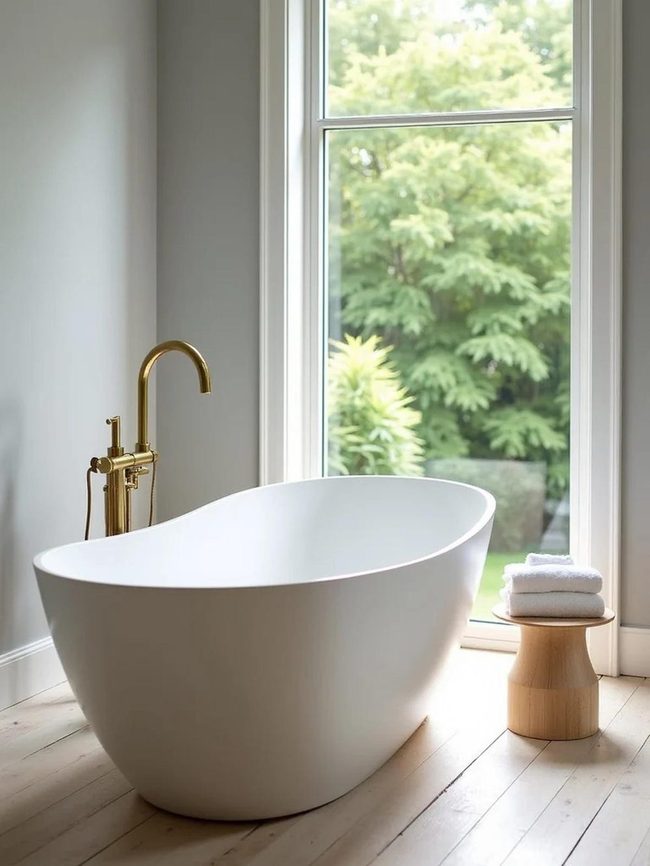
Bathroom fixtures function like jewelry for your space, and selecting one or two standout pieces can completely define how the room feels and looks.
A sculptural faucet, distinctive vanity, or bold light fixture naturally draws your eye and sets the tone for everything around it, so investing your budget in high-impact elements rather than spreading resources thinly makes real sense.
Statement pieces don't need to be expensive, a vintage brass faucet can become a showstopper against simple white tiles, while an unusually shaped mirror refines an ordinary wall into something worth noticing, and even matte black hardware creates striking contrast in neutral rooms.
What matters most is that these standout pieces balance beauty with practicality and real performance.
That eye-catching faucet should deliver water smoothly, your chosen vanity must offer the storage you actually need, and whatever light fixture you select has to illuminate your space properly.
When you combine visual appeal with genuine function, you end up with a bathroom that feels polished and works well for daily use.
I recommend thinking about statement fixtures as investments in both style and livability rather than decorative extras.
Large Mirrors Expand Bathroom Space
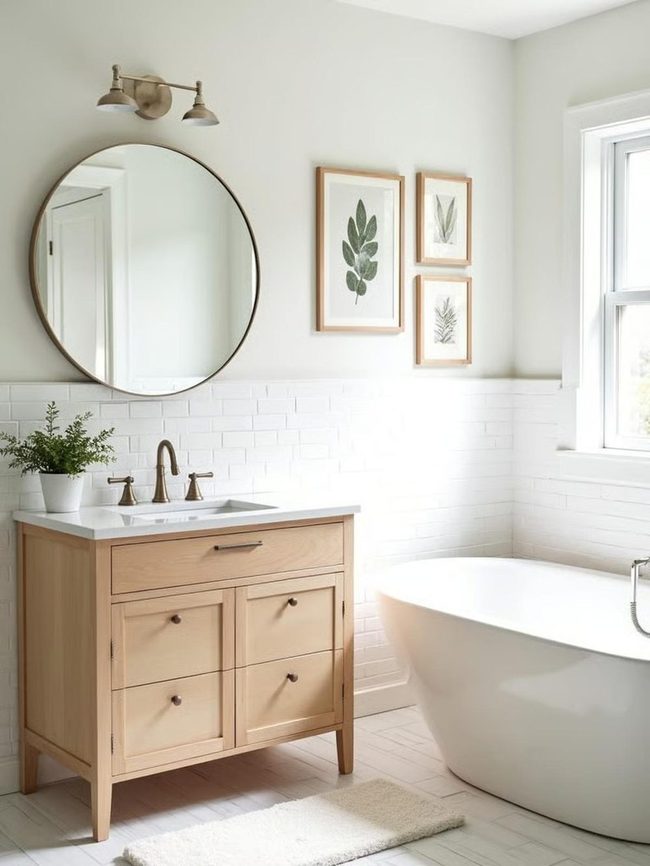
Bathroom accessories serve as the finishing layer that infuses personality and life into your space, and they're wonderfully easy to swap out as your preferences shift over time.
Mirrors demand your attention first since they affect both how you use the room and how spacious it feels, a large statement mirror works beautifully as a visual anchor, while multiple mirrors bounce light around and make the area seem bigger.
Art brings in color and character, though you are able to want to select pieces that handle moisture well or protect them with proper framing.
Don't overlook textiles like quality towels, bathmats, and shower curtains because they add warmth and softness to an otherwise hard and reflective environment.
Sculptural soap dispensers and tissue holders catch the eye, while humidity-loving plants such as ferns, orchids, and pothos bring in natural greenery and life.
Decorative trays help you organize countertop items in an orderly way, and unique hardware on your cabinets and drawers offers another chance to express your style.
Patterned or textured towels introduce another layer of visual interest without taking up much space.
Personalized Stone And Plant Bathroom
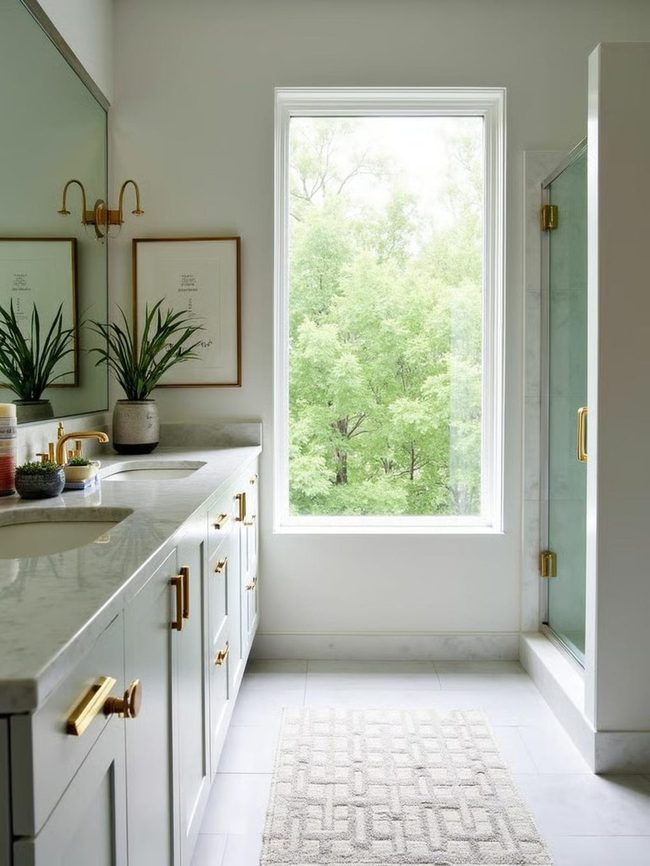
This bathroom becomes genuinely yours when you weave in elements that speak to who you are and how you actually live.
Even a luxurious space can feel cold and empty without personal touches that reflect your taste and history.
Adding character is really about mixing meaningful items with good design so nothing feels cluttered or out of place.
Consider hanging artwork you genuinely connect with, choosing textiles in shades you love, and displaying accessories that hold real meaning for you.
We often suggest incorporating objects with stories, maybe smooth stones from a memorable beach vacation arranged in a clear container, or a plant species that brings back thoughts of somewhere special.
When you build your bathroom around the rituals you actually do every day, the space works harder for you and feels much more natural to inhabit.
Some people need their morning grooming routine to run smoothly with smart storage, while others want their evening soak to feel calm and restorative.
Let your habits and preferences guide what goes where, and you may end up with a bathroom that fits your life instead of forcing you into someone else's idea of what a bathroom should be.
Functional Bathroom Layout Maximizes Limited Space
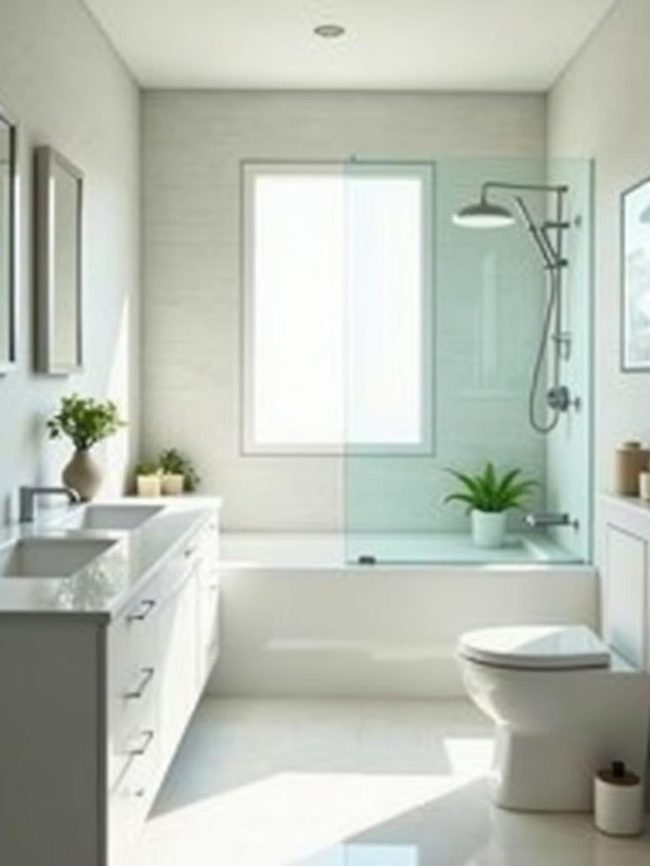
Getting your bathroom layout right means balancing how it looks with how well it actually works for you, and this is where the real foundation of good design begins.
A thoughtfully arranged bathroom can feel surprisingly spacious even when you're working with limited square footage, and you are able to be aware of the difference the moment you step inside.
Poor planning leads to everyday annoyances like banging into fixtures, stretching awkwardly to rthroughout things, and that trapped feeling that keeps you from enjoying your space the way you should.
When you're mapping out your bathroom, start by working with what's already there rather than fighting against your existing walls and plumbing.
Pay attention to which way your door swings since an inward swing can eat up valuable space and block your movement.
Think about how you are able to move between the sink, toilet, and shower, and leave enough room around throughout fixture so nothing feels cramped or difficult to use.
Sometimes keeping plumbing in place saves money, but moving things around might be worth it if it means you actually get a functional space you love using every single day.
Porcelain Tile Defeats Bathroom Moisture
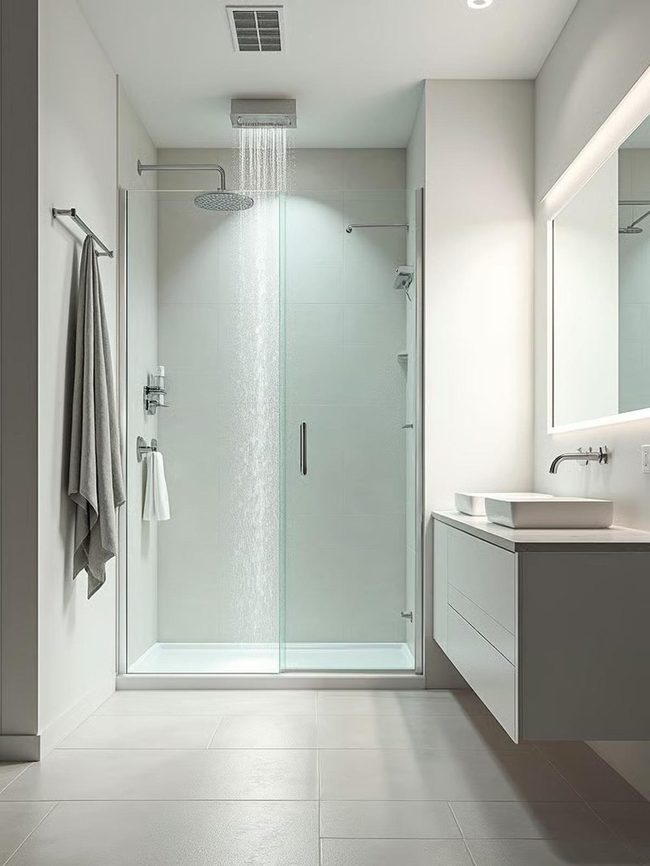
Bathrooms face constant moisture challenges, so picking the right materials becomes your first line of defense against damage and decay.
Cement board works best as your wall substrate in wet areas, while porcelain tile outperforms ceramic for flooring because it resists water far better.
Wood elements need special attention, teak and cedar naturally repel moisture, or you can choose waterproof alternatives that give you wood's warmth without the vulnerability.
Paint matters too, and selecting formulas designed for high-moisture spaces protects your walls from mold and peeling.
I've watched beautiful bathrooms deteriorate within years simply because moisture-resistant materials weren't prioritized from the start.
Without proper protection, even visually engaging spaces lose their appeal quickly as mold spreads, wood warps, and surfaces break down.
Moisture-resistant materials cost more upfront, but they save you money down the road by lasting longer and requiring less maintenance.
Building your bathroom with these durable options means enjoying a fresh, well-preserved space for years instead of watching it slowly fall apart.
Natural Stone And Freestanding Tub Luxury
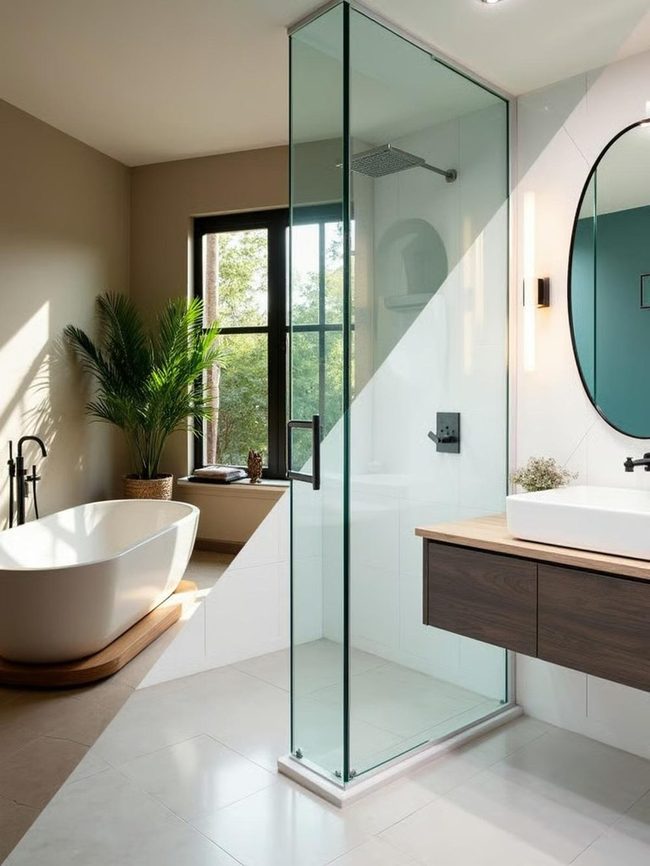
Start by deciding what style speaks to you before you buy anything for your bathroom, since having a clear direction helps you avoid making random choices that feel disconnected and scattered.
You might be drawn to spa-like calm with lightweight neutrals and natural textures, or you could prefer bold modern chic with geometric patterns and standout fixtures.
Some people love zen minimalist spaces with clean lines and uncluttered rooms, while others go for modern industrial with raw textures and metal finishes, coastal retreat vibes with blues and whites, or luxury spa designs featuring natural stone and freestanding tubs.
Once you pick your direction, it becomes the filter through which you make every other choice, whether that's selecting lights, picking hardware, or deciding on tiles and fixtures.
I often mix contemporary Japanese ideas with modern practicality, which means simple lines and real materials alongside smart storage and new technology.
Whatever style you settle on, let it guide you from the biggest elements down to smaller pieces so nothing feels out of place.
Having this plan matters because it keeps your space from looking jumbled and disappointing.
Hidden Plumbing Costs Impact Renovations
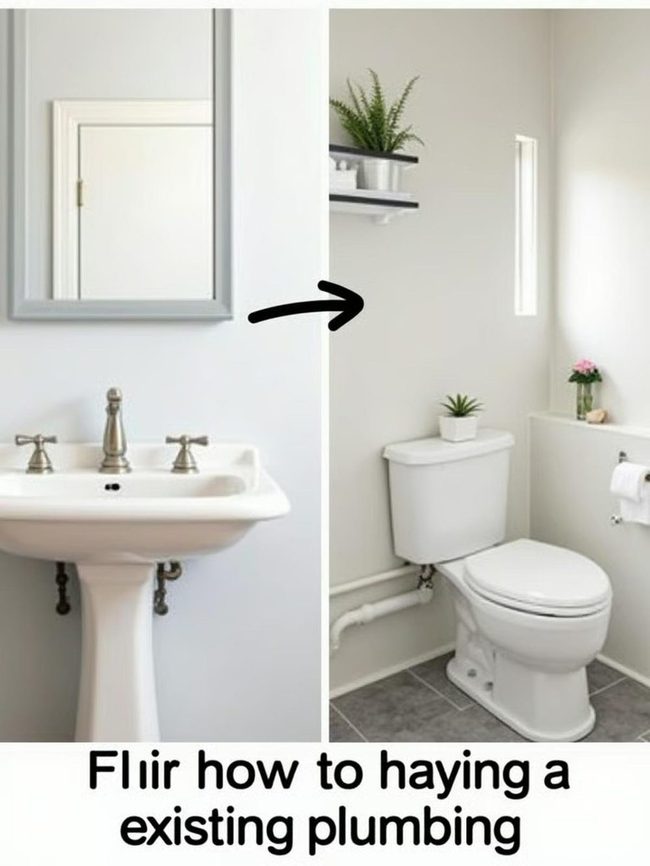
Plumbing costs hide behind your walls and often represent the single biggest expense in any bathroom renovation, so deciding whether to keep existing pipes or move them is really a financial turning point that goes far beyond how things look.
Moving a toilet to the opposite side of the room might give you the layout you've always wanted, but it could easily cost thousands of extra dollars.
Before you decide to relocate anything, get quotes from multiple contractors and learn exactly what the work involves.
Sometimes the best answer is finding middle ground instead, maybe a slightly narrower vanity that fits with where your current pipes are, or a shower layout that doesn't require extensive new plumbing.
Relocating pipes makes sense when your current ones are old and failing, when your existing setup seriously limits how you can use the space, when you're swapping a bathtub for a shower or the other way around, or when your ideal design simply won't work any other way.
Often the smartest move is building around what already exists, though sometimes spending money on new plumbing lines really does pay back through how much better you enjoy the space every day.
Brushed Metal Bathroom Hardware Details
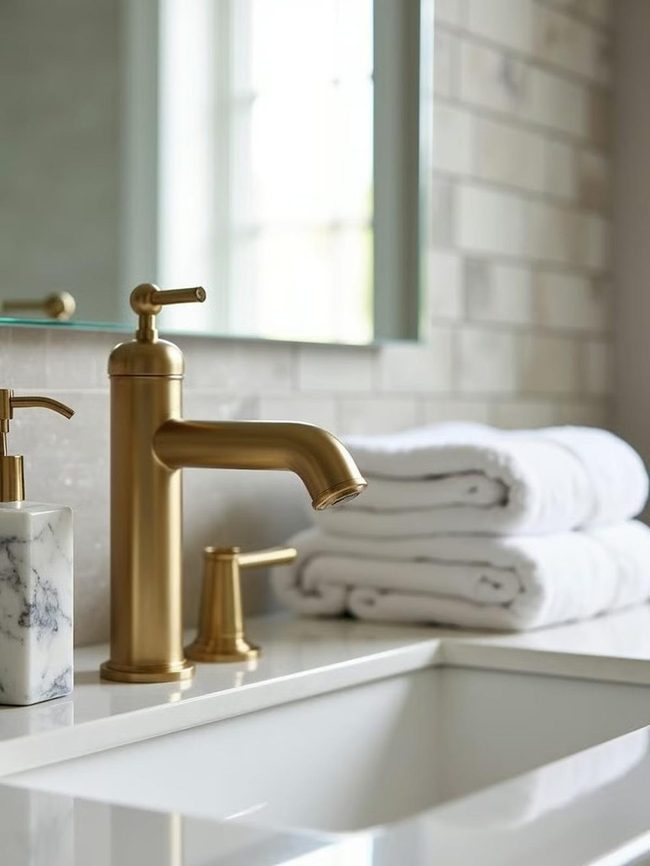
Small hardware pieces like knobs, pulls, towel bars, and hooks deserve just as much thought as your major bathroom fixtures because they act like punctuation marks that emphasize and clarify your whole design.
Keeping your metal finishes consistent creates a unified look, though mixing metals can work when you do it on purpose rather than randomly.
Beyond appearance, these pieces need to function well, your towel bars should hold your largest towels, toilet paper holders should sit within easy reach, and hooks must be sturdy enough to support wet robes without issue.
When you choose hardware that balances beauty with practicality, your bathroom becomes a space that looks good and actually works for your daily needs.
Much like the Japanese concept of wabi-sabi, which finds beauty in imperfection and realness, well-selected hardware adds character and usefulness without trying too hard.
These small choices often leave a stronger impression on how you experience your bathroom than you might expect.
Paying attention to what seems minor ensures that every part of your space reflects thoughtfulness and purpose.
Porcelain Tiles Define Bathroom Performance
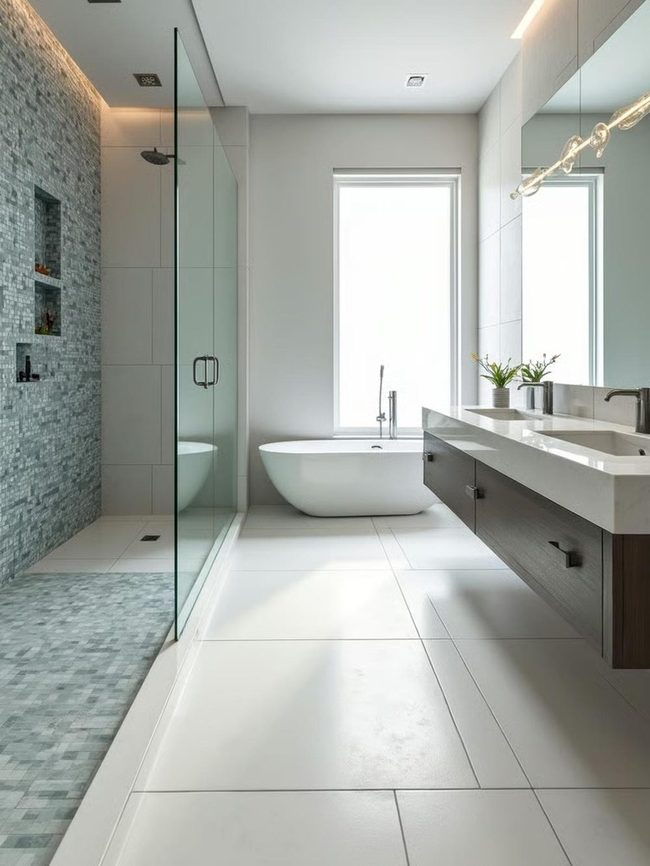
Tiles serve as your bathroom's foundation, shaping its whole character while defending against moisture damage, which is why choosing the right surfaces ranks among the most important decisions you will make during a renovation.
For floors, you will want porcelain tiles rated PEI 3 or higher to ensure slip resistance and long-lasting durability, while walls give you much more creative freedom, consider large-format tiles for fewer grout lines and easier upkeep, or go with intricate mosaics if you want visual depth and pattern.
Many successful bathrooms combine different tile styles, pairing simple, larger tiles across most surfaces with decorative accents reserved for special spots like shower niches or backsplashes.
Before committing, test tile samples directly in your bathroom under your actual lighting conditions, and research how much maintenance in all option demands since some types need regular sealing and others show water spots more easily.
Grout color matters far more than most people realize, it shifts the entire look of your space once it's applied.
The most beautiful tile won't bring you satisfaction if it demands constant cleaning or creates maintenance headaches down the road.
Contractor Selection Beyond Price Tags

Finding the right contractor means locating someone who grasps your vision and possesses the technical skills to bring it to life, much like discovering a meditation teacher who truly understands your needs.
Don't accept the first estimate that comes your way, since gathering multiple quotes gives you negotiating power, helps you understand what's typical in the market, and shields you from both inflated prices and shortcuts.
When you're reviewing different quotes, go deeper than just the final number and look at what's actually included.
A solid estimate breaks down costs for materials, labor, permits, and miscellaneous expenses while naming specific brands and quality standards, providing a clear timeline, and listing what won't be covered.
You should also request references and ask to see examples of their previous work, as completed projects tell you plenty about how reliable someone is and how well they handle their craft.
What matters most is connecting with a partner who honors both what you want to achieve and what you can actually spend.
This person becomes someone working alongside you to build your ideal space rather than simply following orders and finishing the job.
Bathroom Budget Foundation First
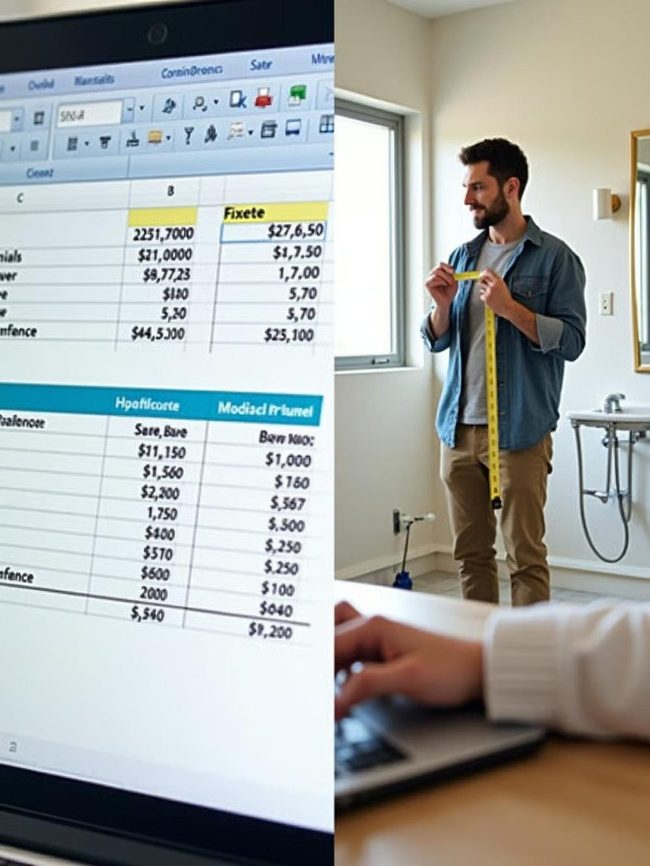
Before you jump into any bathroom renovation, take time to figure out what you can actually spend, since this decision shapes everything that comes next.
Without setting clear financial limits upfront, expenses tend to spiral fast and leave you with unfinished work and real frustration.
Looking at your space honestly means assessing the bathroom size, how much work needs doing, what materials cost, and what you could pay for labor.
Most people find that building in an extra 15 to 20 percent beyond their estimate makes sense, because walls and floors always seem to hide unexpected problems.
Your budget will control which renovation ideas you can tackle right away and which ones might have to wait.
Getting real numbers down on paper before you start saves you from stressful surprises later on.
We see it again and again, projects that go smoothly tend to have solid financial planning behind them.
Once you know your limits, you can move forward with confidence and handle whatever the renovation brings.
Bathroom Moisture Control System
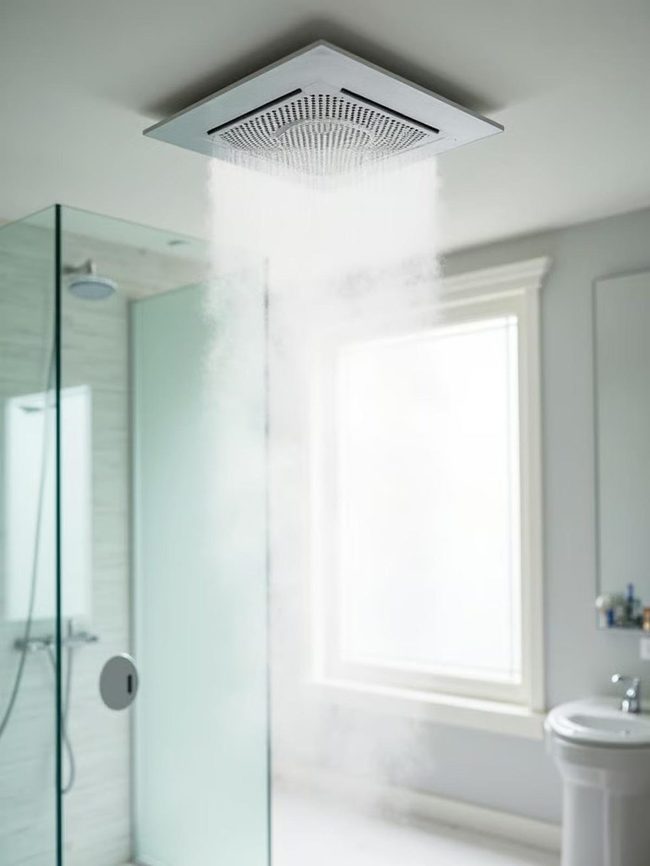
That well-functioning ventilation system stands as one of your bathroom's most critical features, though it rarely gets the attention it deserves compared to shiny fixtures and stylish tile work.
Proper air circulation prevents humidity from building up and causing mold, mildew, peeling paint, and material damage that no beautiful design element can fix.
When you're shopping for a ventilation fan, the size of the unit matters tremendously, and you should calculate the appropriate CFM (cubic feet per minute) based on your bathroom's square footage, typically 1 CFM per square foot with extra capacity for separate toilet or shower zones.
Noise levels deserve consideration too; fans rated at 1.0 sone or lower run quietly without disrupting your daily routine.
Modern fans come equipped with useful features like humidity sensors, timers, and even Bluetooth speakers that blend function with modern convenience.
Treating ventilation as part of your overall design scheme rather than something to handle later makes a real difference in how well it serves your space.
Some bathrooms benefit from multiple fans positioned near moisture sources, and you can design custom vent covers that match your style while doing their important job.
Layered Bathroom Lighting System
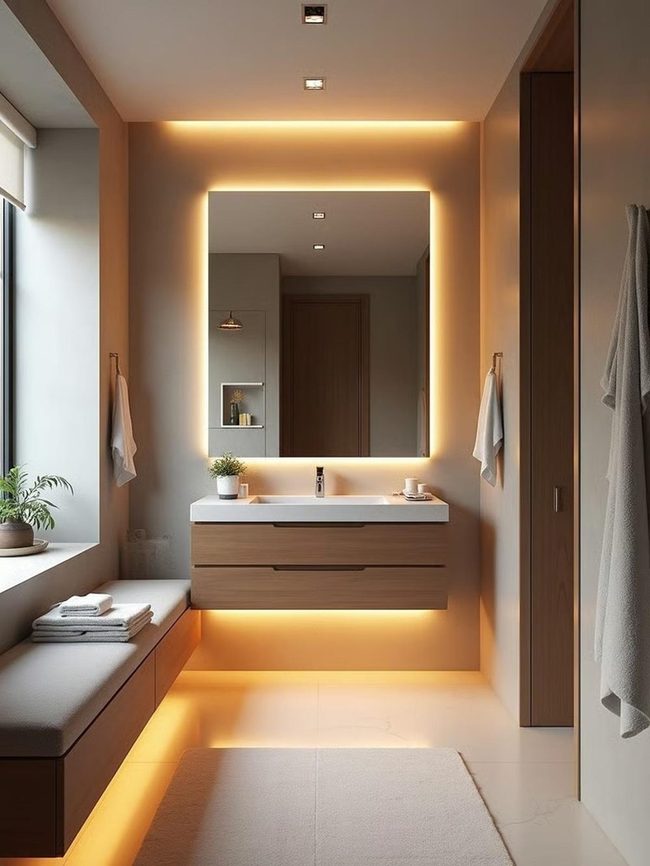
Layered lighting in your bathroom can completely change how the space functions and feels, since most bathrooms rely on just one overhead fixture that often creates harsh shadows across your face and body.
Drawing inspiration from Japanese design philosophy, light works best when you treat it as a material you shape and control rather than simply flip on and off.
Three separate lighting layers serve different purposes: ambient lighting gives you overall airyness through ceiling fixtures or wall sconces, task lighting focuses on practical needs like vanity lights for grooming or reading lights by the tub, and accent lighting adds visual interest while highlighting architectural features using strip lights or spotlights.
Every layer needs its own control switch, and dimmers make them even more flexible for adjusting airyness as you need it.
Your bathroom actually works better when lighting can shift throughout the day, airy energizing light in the morning for getting ready and softer, calmer illumination at night when you want to relax.
With this layout, means your bathroom responds to what you're doing in it rather than forcing you to work around fixed lighting.
Eco-Friendly Bathroom Fixtures Save Water
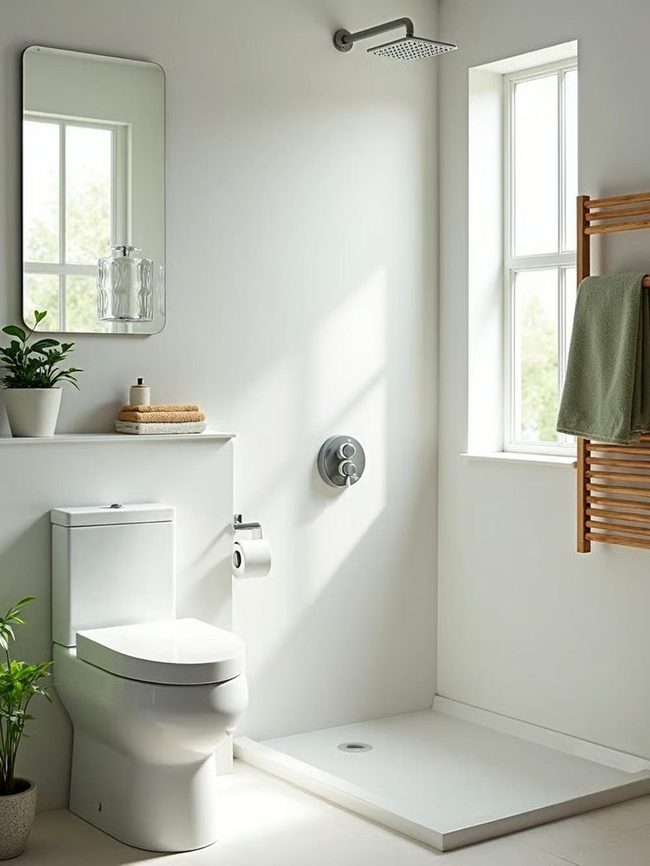
Going green in your bathroom doesn't mean giving up anything, it means getting the best of both worlds with fixtures that save water and energy while keeping your space running beautifully.
LED lighting deserves top attention because it uses 75% less energy than old-fashioned bulbs and lasts for years, making it one of the smartest upgrades you can make.
Low-flow toilets, showerheads, and faucets come with WaterSense labels and use at least 20% less water without sacrificing performance, and a low-flow toilet alone can save you up to 13,000 gallons of water eachyear.
Motion-sensor faucets prevent water from running when you're not using it, and efficient showerheads reduce your annual water usage by thousands of gallons.
A tankless water heater gives you hot water on demand and eliminates the energy waste that comes with keeping a tank constantly heated.
When you choose these modern fixtures, you're honoring the Japanese concept of mottainai, the idea that waste is genuinely regrettable, and you could observe the difference in your monthly utility bills.
Hidden Infrastructure Systems Behind Bathroom Tiles
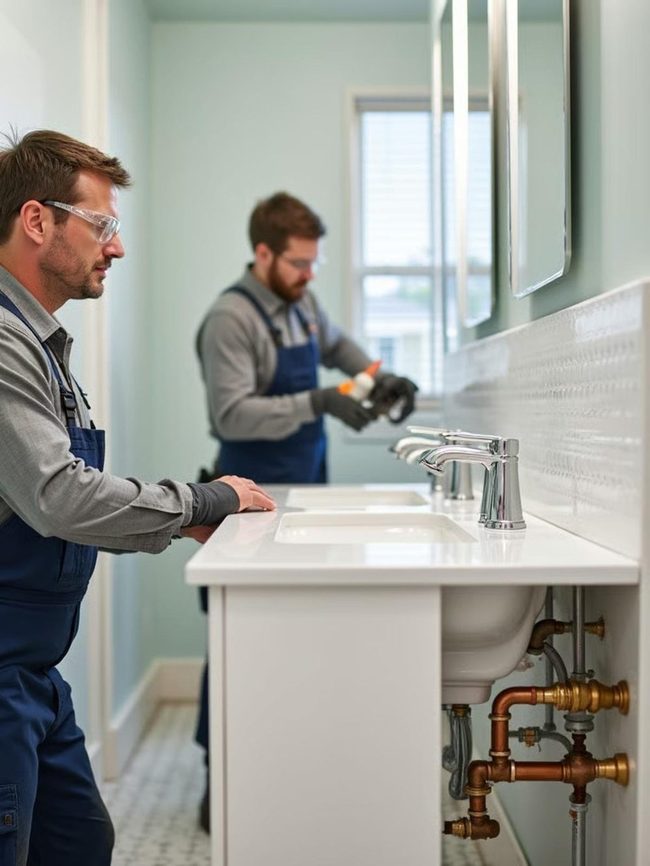
When you're planning a bathroom renovation, don't overlook the systems hidden behind your beautiful tiles and fixtures because outdated plumbing and electrical infrastructure will shape headaches later on.
Galvanized steel or lead pipes lose water pressure over time, and insufficient electrical circuits can't handle modern appliances like hair dryers or heated floors properly.
Start by replacing old pipes with copper or PEX materials and install individual shut-off valves under across fixture so you can control water flow independently.
Your electrical panel may need an upgrade to handle increased capacity, and adding dedicated circuits for high-draw devices protects your safety and prevents overloads.
Make sure GFCIs (ground fault circuit interrupters) are installed at every outlet to prevent electrical hazards in this moisture-prone space.
Waterproofing all electrical components keeps everything safe from water damage.
Many people cut corners on these unseeable upgrades when budgets get tight, but skipping them means your bathroom won't function well and could develop serious problems down the road.
These infrastructure improvements form the actual foundation of a successful renovation, so it's worth investing in them before you spend money on visible finishes and decorative elements.
Vertical Trends Maximizes Small Spaces
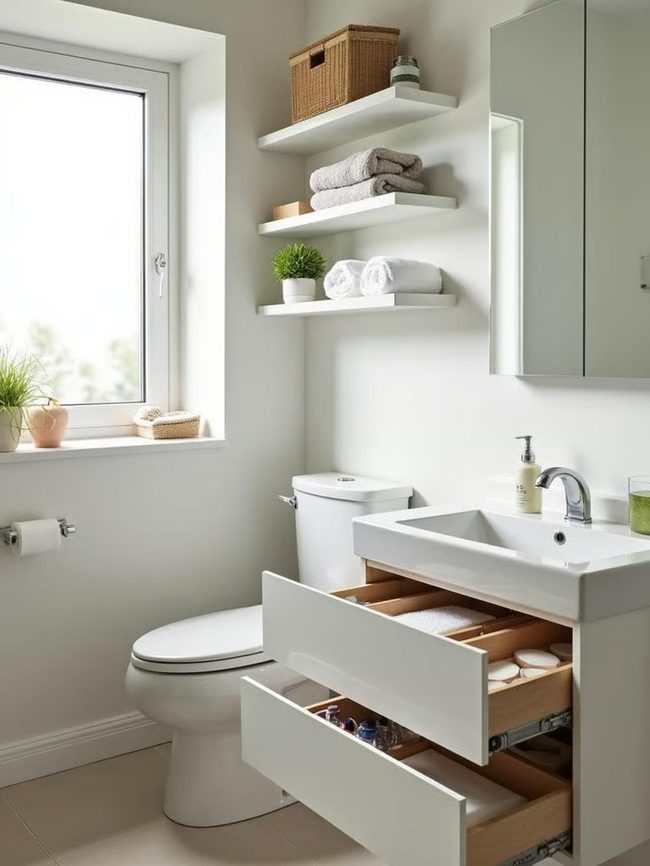
Clutter destroys a peaceful bathroom faster than almost anything else, so smart storage solutions matter more than you might think.
Japanese design teaches us that empty space brings mental calm, and this principle works just as well in modern bathrooms as it does anywhere else.
Recessed medicine cabinets and floating shelves use every available inch without making the room feel cramped or heavy.
Built-in shower niches keep your everyday bottles and soaps within reach but out of sight, and vertical storage along the walls draws eyes upward to make smaller spaces feel more open.
You can also tuck away extra items in toe-kick drawers under the vanity, install shelving above the toilet, or use magnetic strips to hold metal tools in an organized way.
Many people overlook the potential hiding behind doors, in corners, or along unused wall space, but these spots can hold so much more than you'd expect.
When you think about your bathroom in three dimensions, not just the obvious surfaces but also the depth of walls and the height of corners, you'll find room for everything you need without sacrificing that sense of calm and order.
Jasmine Lee
Content Creator & Style Advisor
Expertise
Content Creation & Engaging Writing, Home Project Ideas & Decorating Tips, DIY Projects & Creative Solutions, Trend Spotlights & Practical Styling Advice, Easy-to-Follow Guides for Home Decor
Education
University of California, Los Angeles (UCLA)
Jasmine Lee is a content creator and style advisor at Nesthance, making home décor feel fun and effortless. With a degree in communications from UCLA, she has a knack for turning decorating ideas into easy, step-by-step guides that anyone can follow.
She loves sharing practical styling tips, creative DIY projects, and trend insights to help readers refresh their spaces without stress. Her work focuses on making design approachable and inspiring for all.
Outside of writing, Jasmine enjoys discovering new design trends, attending workshops, and curating inspiration boards to keep ideas fresh and exciting.